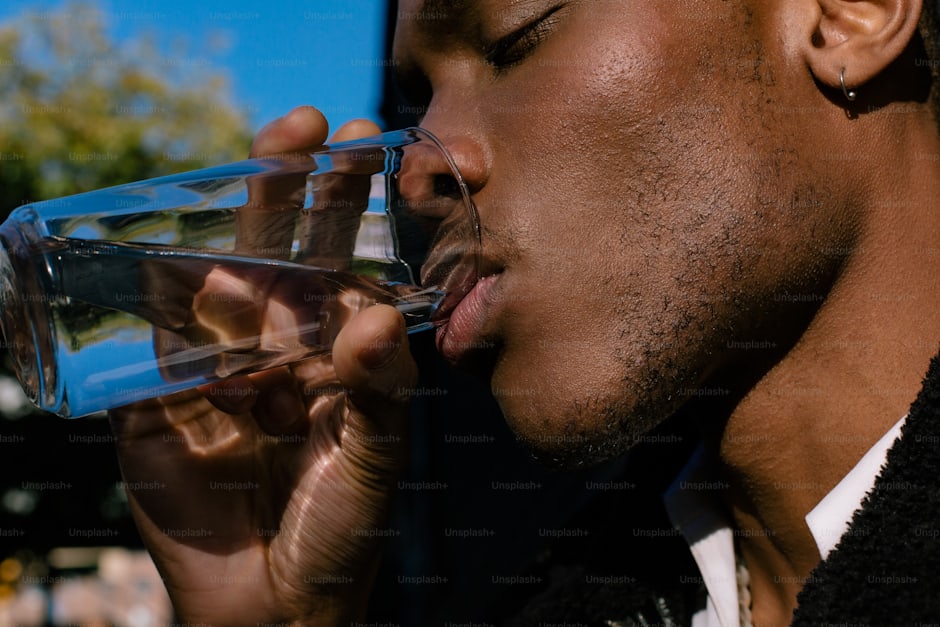
Most people know water is important, but many still treat hydration as a minor detail. They focus on calories, workouts, supplements, and sleep while ignoring fluid intake until headaches or fatigue appear. The problem is that mild dehydration can quietly reduce performance long before obvious thirst shows up. That means you can feel mentally slow, physically flat, and emotionally irritable without realizing hydration is part of the cause.
Hydration influences almost every system that keeps you functioning well: circulation, temperature regulation, cognitive processing, digestion, joint comfort, and recovery. It is not a bonus health habit. It is basic infrastructure for everything else you want your body to do.
Why thirst is not always a reliable guide
Thirst helps, but it often lags behind your actual fluid needs, especially during busy workdays, exercise, travel, hot weather, or long periods in air-conditioned rooms. Some people also confuse thirst with fatigue or snack cravings, so they eat when what they really need is water and electrolytes.
By the time you feel strongly thirsty, your concentration and mood may already be affected. This is why proactive hydration habits work better than reactive drinking patterns.
The cognitive cost of underhydration
Even mild dehydration can reduce attention quality, short-term memory efficiency, and task persistence. You may notice this as brain fog, slower thinking, or lower tolerance for complex work. For students, professionals, and creators, this impact is significant because output quality often depends on sustained focus, not just hours spent working.
Mood is affected too. Low hydration can increase irritability and perceived stress, which then influences food choices, productivity, and sleep quality. Many people chase these symptoms separately without checking the hydration baseline first.
Physical performance and recovery
Hydration directly influences blood volume and temperature control, both critical for exercise performance. When fluid status drops, heart rate can climb faster at the same workload, perceived exertion rises, and endurance capacity falls. In simple terms, workouts feel harder and results become less consistent.
Recovery is also slower when hydration is poor. Muscles depend on fluid balance for nutrient transport and waste removal. Joint comfort and tissue elasticity can decline when you are habitually underhydrated, making soreness feel worse and movement less smooth.
Digestion, appetite, and hydration
Water supports digestion from stomach through intestinal transit. Low fluid intake can worsen constipation and make meals feel heavier. It can also blur appetite signals. Many people interpret low-energy thirst as hunger and snack repeatedly, especially in the afternoon.
A simple pre-meal hydration habit can help with appetite awareness. Drinking water regularly through the day is more effective than drinking large amounts all at once right before eating.
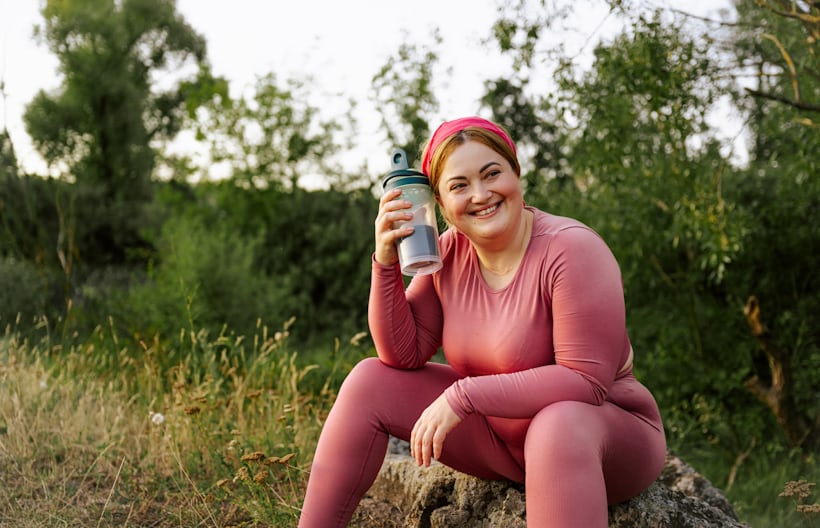
Electrolytes matter too, not just water
Hydration is about fluid and electrolyte balance, not water alone. Sodium, potassium, and other electrolytes help regulate nerve signaling, muscle contraction, and fluid distribution. For people who sweat heavily, train in heat, or follow high-volume fitness routines, replacing electrolytes strategically can improve recovery and reduce fatigue.
This does not mean everyone needs sports drinks all day. Most people can meet electrolyte needs with balanced meals and water. But during long, sweaty sessions or hot climates, adding sodium and fluids together is often more effective than plain water alone.
Common signs you may be underhydrated
- Persistent afternoon fatigue even with normal sleep.
- Frequent headaches without another obvious trigger.
- Dry mouth or dry lips throughout the day.
- Darker urine color over multiple checks.
- Reduced workout quality at usual training intensity.
- Constipation or sluggish digestion despite decent food choices.
These signs are not diagnostic on their own, but they are useful clues when seen repeatedly.
How much water do you really need?
There is no perfect universal number because needs vary by body size, climate, food intake, activity level, and sweat rate. A practical baseline is to drink consistently across the day rather than aiming for one large total at night. Urine color, energy patterns, and thirst timing are more useful than strict one-size targets.
If you exercise regularly, increase intake around training windows. If you consume more caffeine or alcohol, pay extra attention to fluid replacement. If weather is hot or dry, assume your baseline need is higher.
Practical hydration routine for real life
- Morning start: drink water soon after waking.
- Work blocks: keep a bottle visible and sip between tasks.
- Pre-meal cue: drink a glass 15 to 20 minutes before meals.
- Training support: hydrate before, during, and after exercise.
- Evening check: review urine color and energy for next-day adjustment.
This structure is simple, repeatable, and usually enough to improve consistency without overcomplicating your day.
Hydration mistakes that look healthy but are not
One common mistake is drinking very little all day and then overloading water at night. That pattern can disrupt sleep and does not fix daytime performance loss. Another mistake is relying only on thirst during intense training sessions. A third is replacing all fluids with caffeinated drinks while assuming total volume alone is enough.
Balance matters more than extremes. The goal is steady intake matched to your daily demands.
Who should pay extra attention
People in physically demanding jobs, athletes, frequent travelers, older adults, and those living in hot climates often need tighter hydration routines. Desk workers also benefit because air conditioning, long meetings, and cognitive load can suppress thirst awareness.
If you are managing blood pressure, kidney conditions, or specific medical issues, hydration targets should be personalized with professional guidance.
How to make hydration automatic
Use environmental cues: keep water where you work, pair drinking with existing habits, and use a marked bottle if needed. Habit design beats motivation. You should not have to remember hydration through willpower every hour.
Start small and consistent. Even one week of better hydration often improves energy stability, focus, and workout feel enough to make the habit self-reinforcing.
Bottom line
Hydration matters more than most people think because it affects how your brain works, how your body performs, and how well you recover day after day. It is one of the simplest high-impact habits available, yet it is often overlooked until symptoms appear. Build a steady hydration routine, adjust for activity and climate, and treat fluid balance as a core health behavior, not an afterthought.