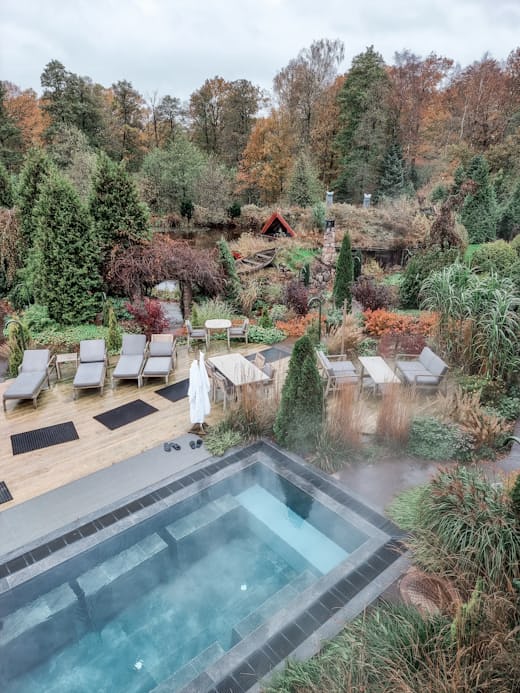
Travel used to be mostly about sightseeing, shopping, and fast itineraries. Many people came back from vacation needing another vacation. Now the pattern is changing. More travelers are choosing trips that help them sleep better, breathe deeper, reduce stress, and return home feeling mentally clear instead of exhausted.
This shift explains why wellness travel and healing retreats are growing so quickly. People are no longer asking only, Where should I go? They are asking, How do I want to feel when I come back?
Why wellness travel is rising now
Modern life creates constant stimulation. Notifications, work pressure, long screen time, and poor recovery habits have become normal. Even high-performing people report emotional fatigue, decision overload, and sleep disruption. Traditional vacations with packed schedules do not always solve these problems.
Wellness travel offers a different promise: intentional rest, structured recovery, and healthier daily rhythms. Instead of maximizing activity, it prioritizes restoration. This is one reason the category is expanding across age groups, not just luxury travelers.
What counts as a healing retreat
A healing retreat can include many formats: nature-based stays, yoga and meditation programs, spa recovery retreats, digital detox camps, burnout recovery weekends, or sleep-focused wellness hotels. The key feature is not the label but the design. A true retreat reduces noise and supports regulation of body and mind.
Effective programs usually combine movement, nourishing meals, guided reflection, rest periods, and low-stimulation environments. The goal is to calm the nervous system while building habits that can continue at home.
From luxury trend to health strategy
Wellness travel was once seen as a niche for influencers or high-end resorts. That perception is changing. Many travelers now view it as preventive care. People budget for retreat experiences the way they budget for fitness or therapy because the impact on stress and energy feels tangible.
This does not mean every wellness trip must be expensive. Short regional retreats, day programs, and structured weekend resets can provide meaningful benefits without long-haul flights or premium pricing.
Core benefits people report most
1) Nervous system reset
Stepping away from constant digital and social input helps reduce baseline stress. Many people notice they feel calmer within 24 to 48 hours when sleep, movement, and stimulation are better managed.
2) Better sleep quality
Retreat environments often remove late-night work and scrolling patterns. Early light exposure, evening wind-down, and reduced caffeine can quickly improve sleep depth and recovery.
3) Clearer thinking
Mental clutter tends to drop when your schedule has white space. With fewer micro-decisions, people regain perspective and make better personal or professional choices.
4) Reconnection with the body
Daily movement, breathwork, and mindful eating help people notice physical stress signals earlier instead of ignoring them until burnout.

Why nature plays a central role
Many successful retreats are in forests, mountains, lakeside locations, or coastal settings. Natural environments reduce sensory overload and encourage slower breathing, lighter cognitive load, and more presence. Even simple routines, such as morning walks in natural light, can improve mood regulation and sleep rhythms.
Nature does not replace medical or psychological care, but it often creates a powerful recovery context where healthy behaviors feel easier to sustain.
Digital detox is becoming a standard retreat feature
One of the strongest drivers of retreat demand is screen fatigue. Many programs now include device-light schedules or phone-free windows. Participants often discover how much anxiety comes from constant checking and comparison loops.
A short digital boundary period can restore attention span, reduce emotional reactivity, and make conversations more present. These effects are often noticeable before the retreat ends.
How healing retreats support long-term change
The best retreats do more than provide temporary comfort. They teach transferable habits: sleep anchors, morning routines, mindful eating, stress reset tools, and better boundaries with work and devices. When these habits are simple, people can keep them after returning home.
Without this transfer plan, retreat benefits fade quickly. Sustainable impact comes from routine design, not from one beautiful location alone.
What to look for when choosing a retreat
- Clear outcome focus: stress recovery, sleep repair, emotional reset, or physical restoration.
- Balanced schedule: structured sessions plus real downtime, not nonstop classes.
- Qualified guidance: credible facilitators for movement, mindfulness, nutrition, or coaching.
- Realistic practices: habits you can repeat at home within your normal schedule.
- Environment fit: choose quiet nature, coastal calm, or mountain solitude based on your stress profile.
Good retreat selection starts with your actual needs, not social media aesthetics.
Common mistakes travelers make
- Overpacking the itinerary: turning recovery travel into another performance project.
- Choosing only for luxury visuals: beautiful spaces help, but program quality matters more.
- No post-retreat plan: returning to old routines immediately can erase gains.
- Ignoring sleep and nutrition basics: treatments cannot compensate for poor fundamentals.
- Expecting instant life transformation: retreats create momentum, not magic.
A practical post-retreat integration plan
To protect the benefits, keep three anchor habits from your trip. For example: 20 phone-free minutes in the morning, one daily walk outdoors, and a fixed digital sunset before bed. Start small and track consistency for two weeks.
Also schedule one weekly mini-reset block at home. This could be a half-day with low stimulation, nourishing food, movement, and reflection. Integration is where healing becomes durable.
Who benefits most from wellness travel
Busy professionals with cognitive overload, caregivers with emotional fatigue, remote workers with blurred boundaries, and people recovering from prolonged stress often benefit most. Retreats are especially useful when you feel functional on the outside but depleted internally.
They can also help couples or teams reset communication patterns when daily environments are too noisy for meaningful reflection.
The future of wellness travel
The category is likely to keep expanding into personalized formats: sleep labs, nervous-system coaching stays, hormone-aware programs, and mental resilience retreats. More destinations are combining hospitality with evidence-based wellbeing support.
As demand grows, quality differences will matter more. Travelers will increasingly choose programs that measure outcomes and teach sustainable habits rather than offering only passive relaxation.
Bottom line
The rise of wellness travel and healing retreats reflects a deeper cultural shift. People are no longer traveling only to escape routine; they are traveling to recover their capacity. In a high-stimulation world, intentional rest has become a practical need, not a luxury add-on.
When chosen thoughtfully and integrated afterward, wellness travel can improve sleep, stress resilience, and mental clarity long after the trip ends.