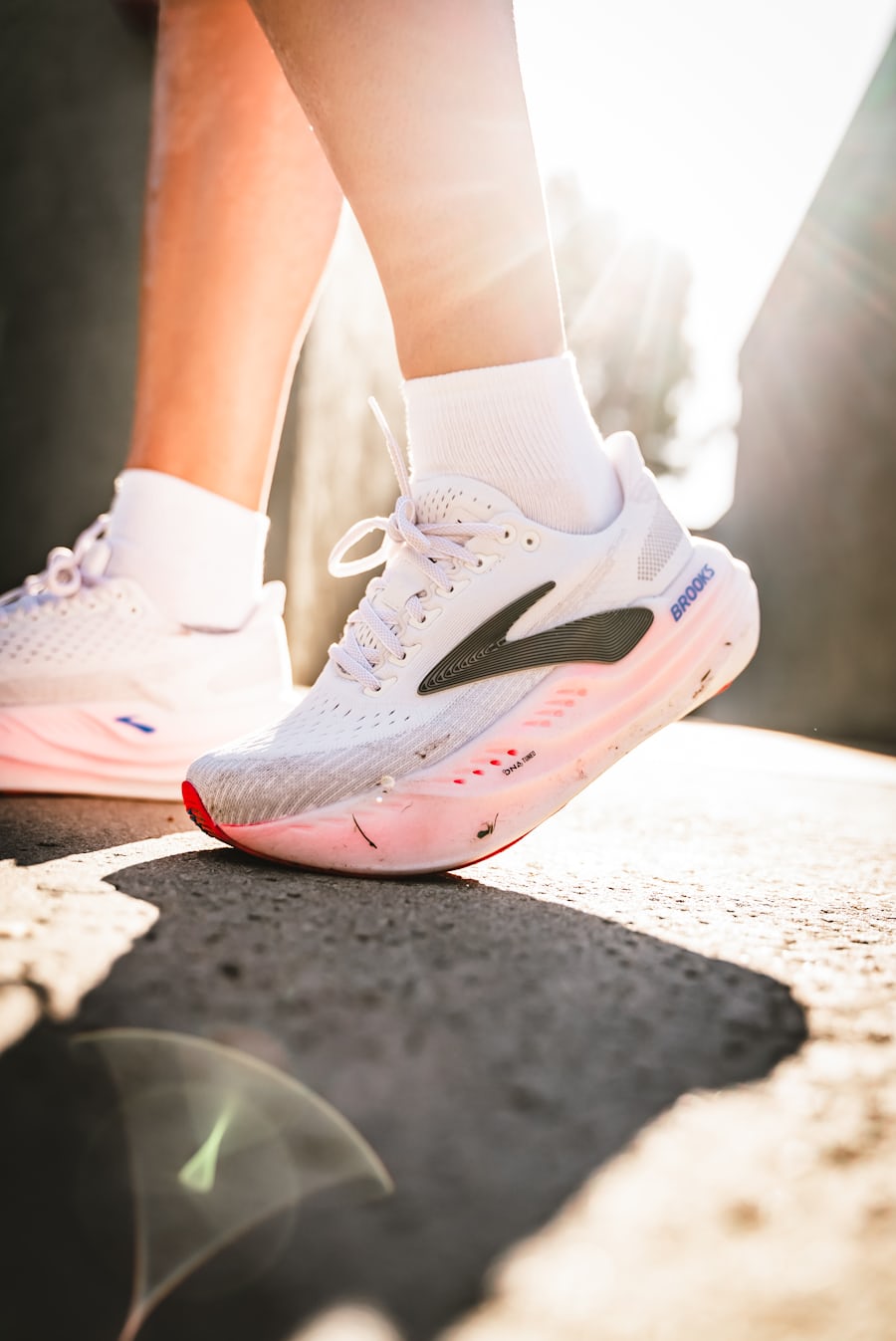
For years, 10,000 steps has been treated as the gold standard of daily movement. Smartwatches celebrate it. Office wellness groups use it as a challenge. Friends compare totals as if the number alone proves a healthy lifestyle. The habit is still useful, but many people are now discovering something frustrating: they can hit 10,000 steps and still feel tired, stiff, or stuck in the same fitness state for months.
That frustration does not mean walking failed. It means the body needs more than one metric. The 10,000-step target was always a practical anchor rather than a complete training system. It helps people move more, but modern health goals now include stronger cardiovascular capacity, preserved muscle mass, metabolic health, and better resilience under stress. Step count supports those goals, yet it rarely covers all of them by itself.
How 10,000 steps became so popular
The number became mainstream because it is simple, memorable, and motivating. For people with sedentary routines, moving from 2,000 to 7,000 or 8,000 steps often leads to visible improvements in mood, circulation, and daily energy. Walking is accessible and generally low impact. You need minimal equipment, and it fits into almost any schedule.
Those benefits are real and still worth protecting. The problem starts when the metric becomes a ceiling instead of a baseline. If your routine is always the same pace, same route, and same effort level, your body adapts quickly. You keep the habit but stop creating a strong training signal.
Why steps alone are no longer enough for many adults
Modern life creates new challenges that step totals do not fully solve. Long sitting blocks during work, high mental stress, poor sleep patterns, and reduced strength with age all affect health outcomes. A person can accumulate many steps and still spend too much time inactive in long uninterrupted periods. Another person may walk frequently but never reach a heart-rate intensity that meaningfully improves cardiorespiratory fitness.
Muscle maintenance is another missing piece. Walking uses the lower body, but it does not provide enough resistance to preserve or increase muscle for most adults over time. Without strength-focused training, people may experience gradual loss of lean mass, weaker posture control, and lower metabolic flexibility. This is one major reason why body composition can stall even when daily step goals are met consistently.
The quality-versus-quantity difference
Not all 10,000-step days are equal. Ten thousand slow indoor steps spread across the day place very different demands on the body than ten thousand steps that include brisk intervals, hills, and purposeful effort. Quantity tracks movement volume. Quality reflects intensity, terrain, posture, and pacing.
When walking intensity increases, breathing deepens, heart rate rises, and aerobic adaptation becomes more meaningful. That adaptation affects endurance, recovery, and long-term health markers more strongly than passive low-intensity movement alone. So the better question is no longer Did I hit 10,000? but How many of my steps were truly training steps?

Where current fitness guidance is shifting
Recent health guidance increasingly emphasizes combined metrics: total movement, moderate-to-vigorous activity minutes, strength sessions, sleep, and recovery quality. Many people still benefit from the 8,000 to 12,000 step range, but there is no magical edge where 9,999 fails and 10,000 suddenly transforms health.
The practical trend is clear: once you have a stable walking habit, the next improvements usually come from intensity progression and resistance training, not endlessly increasing step count. This approach is especially important for adults managing insulin sensitivity, blood pressure, and age-related muscle decline.
The overlooked role of brisk walking
Brisk walking is often underestimated because it looks simple. Yet a focused 25 to 35 minute brisk session can challenge the cardiovascular system more than a long casual walk. A good benchmark is the talk test: you can speak in short phrases, but holding a full relaxed conversation feels difficult.
You can build this without complicated tools. Add short intervals where you push pace for one to two minutes, then recover at a comfortable speed. Repeat several rounds. Over time, this develops aerobic capacity and helps daily activities feel easier, from climbing stairs to carrying groceries without breathlessness.
Strength training fills the largest gap
If walking is the base, strength training is the structural support. Two or three full-body sessions per week can preserve muscle, improve joint stability, and support better metabolic health. You do not need advanced bodybuilding methods. Basic movement patterns done consistently are enough for most people: squats, hip hinges, pushes, pulls, carries, and core anti-rotation work.
This matters even more after age 35, when muscle loss can accelerate if training is absent. Stronger muscles improve movement economy, which can also make your walking mechanics better and reduce overuse discomfort in knees, hips, and lower back.
A realistic weekly framework
- Daily movement anchor: keep your step goal, typically between 7,000 and 12,000 depending on schedule and recovery.
- Cardio quality sessions: 2 to 4 brisk walks per week, 20 to 40 minutes each.
- Strength work: 2 to 3 full-body sessions using bodyweight, bands, or weights.
- Recovery support: prioritize sleep consistency and short mobility work after training.
This structure keeps walking central while solving the adaptation gaps that step count alone cannot address.
Common mistakes that block progress
- Relying only on total steps: no intentional intensity progression.
- Skipping resistance work: gradual strength decline despite high activity.
- Ignoring posture and footwear: inefficient gait and unnecessary joint stress.
- Increasing volume too fast: sudden step spikes that irritate feet and calves.
- Under-recovering: poor sleep and stress management that blunt adaptation.
Most plateaus are not solved by adding random extra steps. They are solved by better session design and better recovery behavior.
How to measure progress beyond your watch total
Use a small dashboard instead of one number. Track weekly brisk minutes, number of strength sessions completed, average sleep duration, and a simple performance marker like pace on a familiar route. This gives a more accurate picture of whether your body is actually getting fitter.
You can also check functional signs: lower resting fatigue, easier stair climbing, improved balance, and better posture during long workdays. These outcomes are often better indicators of real health progress than raw step totals alone.
Who should still focus primarily on steps?
Beginners, older adults with low activity history, and people returning from long inactivity should still treat step goals as the first priority. Building movement consistency is the essential first win. But once that habit feels automatic, adding intensity and strength is the natural next phase.
Think of it as training progression, not contradiction. First you move more. Then you move with purpose. Then you build a body that can handle life and exercise with confidence for years.
Bottom line
Walking 10,000 steps is still a strong daily habit, and it remains a valuable health foundation. What changed is our understanding of what complete fitness requires. For most people today, steps alone do not fully cover cardiovascular challenge, muscle maintenance, and metabolic resilience. Keep the step goal, but pair it with brisk effort, strength training, and recovery habits. That is where long-term progress now comes from.