Social media no longer just reflects fashion trends. It creates them in real time. What starts as a niche look on short-form video can become a global styling movement within weeks. This year, the trends dominating feeds are not only eye-catching. They are also surprisingly wearable when adapted with personal taste.
The biggest shift is that people are blending aesthetics instead of following one strict style identity. Outfits now feel more mixed, expressive, and practical for everyday life.
Trend 1: Elevated basics with strong silhouettes
Simple wardrobe pieces are still central, but fit and shape are doing more of the style work. Oversized blazers, structured trousers, crisp shirts, and clean tanks are being styled with intentional proportions. The visual effect feels polished without looking overdone.
This trend performs well on social platforms because it is easy to recreate and photograph. It also translates well from video content to real life, which is why it keeps growing.
Trend 2: Sporty-meets-tailored styling
Athletic elements are being paired with classic pieces in new ways: track jackets with skirts, sneakers with relaxed suiting, and performance tops under long coats. The contrast creates dynamic outfits that feel modern and functional.
This blend reflects current lifestyle demands. People want outfits that can move between work, commuting, and casual social settings without full changes.
Trend 3: Soft nostalgia from late 90s and 2000s
Retro influence is still strong, but this year it feels more refined than costume-like. Instead of full throwback looks, creators are using one or two nostalgic elements such as low-rise-inspired cuts, slim sunglasses, vintage denim, or metallic accents paired with contemporary basics.
The result is familiarity without looking dated, which keeps the trend accessible across age groups.
Trend 4: Statement accessories doing the heavy lifting
Accessories are carrying entire outfits in social media styling. Bold earrings, sculptural bags, textured belts, layered jewelry, and expressive footwear are being used to transform minimal looks quickly. This is especially popular in “one outfit, three moods” content formats.
For many people, this is the easiest way to participate in trends without rebuilding a full wardrobe.
Trend 5: Monochrome and tonal dressing
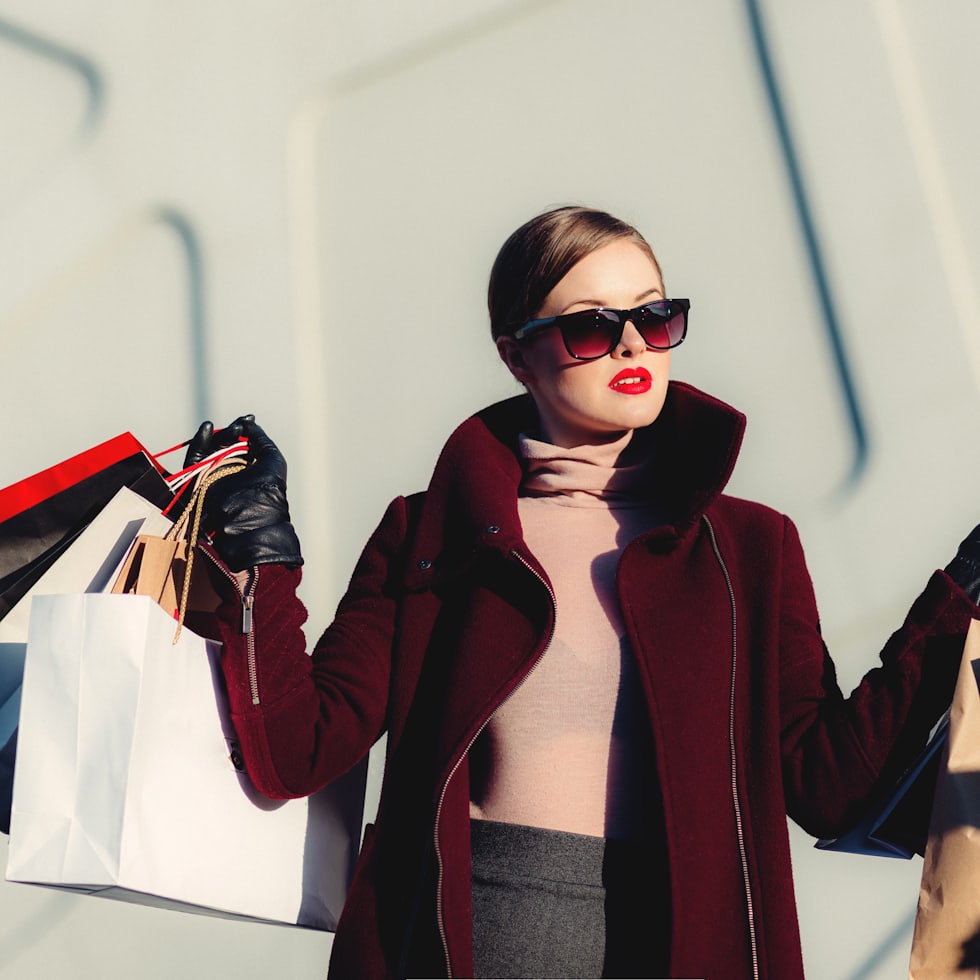
Head-to-toe tonal outfits are highly visible this year because they look clean in photos and videos. Neutral palettes like beige, charcoal, navy, and off-white remain dominant, but bold monochrome color stories are also rising for creators who want stronger visual identity.
Tonal dressing simplifies styling decisions while still looking intentional. That practicality keeps it popular beyond trend cycles.
Trend 6: Sheer layering and texture contrast
Layering with sheer fabrics, knits, and structured outerwear is becoming a favorite way to add depth. The goal is not necessarily revealing skin, but creating visual movement and contrast. Styled correctly, sheer pieces can look elegant, edgy, or casual depending on pairing.
Texture contrast performs especially well on camera, making this trend highly shareable.
Trend 7: Quiet luxury influence, but more personal
The clean, understated look remains influential, but this year creators are personalizing it with color accents, playful details, and individual styling signatures. The shift is away from strict minimal uniforms and toward intentional individuality.
In social media language, people are choosing “tasteful but not predictable.”
Trend 8: Utility and functional details
Cargo-inspired silhouettes, multi-pocket jackets, technical fabrics, and practical footwear continue to appear across style communities. Function-forward fashion aligns with real daily use, especially in urban environments and travel-heavy routines.
These details add edge while remaining practical, which explains their staying power.
Trend 9: Personal style storytelling over trend copying
One of the biggest meta-trends is that audiences respond more to style narratives than identical outfits. Creators who explain why they wear certain shapes, colors, and combinations tend to build stronger engagement than those who only replicate viral formulas.
This encourages experimentation and reduces pressure to dress exactly like everyone else.
How to wear social media trends without looking forced
- Choose one trend anchor per outfit: avoid stacking every viral element at once.
- Keep your core wardrobe stable: trends should layer onto your base, not replace it.
- Prioritize fit: proportion matters more than label or hype.
- Use accessories strategically: quickest way to update familiar looks.
- Test trends in low-stakes settings: refine comfort before major events.
This approach helps trends feel authentic and wearable instead of costume-like.
Common social media fashion mistakes
One common mistake is trend overload: trying every viral style in one look. Another is ignoring personal proportions and comfort just to match a post. A third is buying fast duplicates without considering styling versatility, which leads to closet fatigue quickly.
The best trend strategy is selective adoption based on lifestyle and repeat wear potential.
What these trends say about fashion right now
Current social media fashion is less about strict trend obedience and more about remix culture. People are blending polished and casual, nostalgic and modern, minimal and expressive. The most successful looks feel curated but human.
This is why the year's biggest trends are taking over feeds: they give people creative freedom while still offering clear visual structure.
Bottom line
Fashion trends taking over social media this year are driven by versatility, individuality, and smart styling contrasts. From elevated basics to statement accessories and tonal layering, the winning formula is not copying every trend. It is adapting the right ones to your own style language.
When trends support your personal aesthetic instead of replacing it, your outfits look current and timeless at the same time.