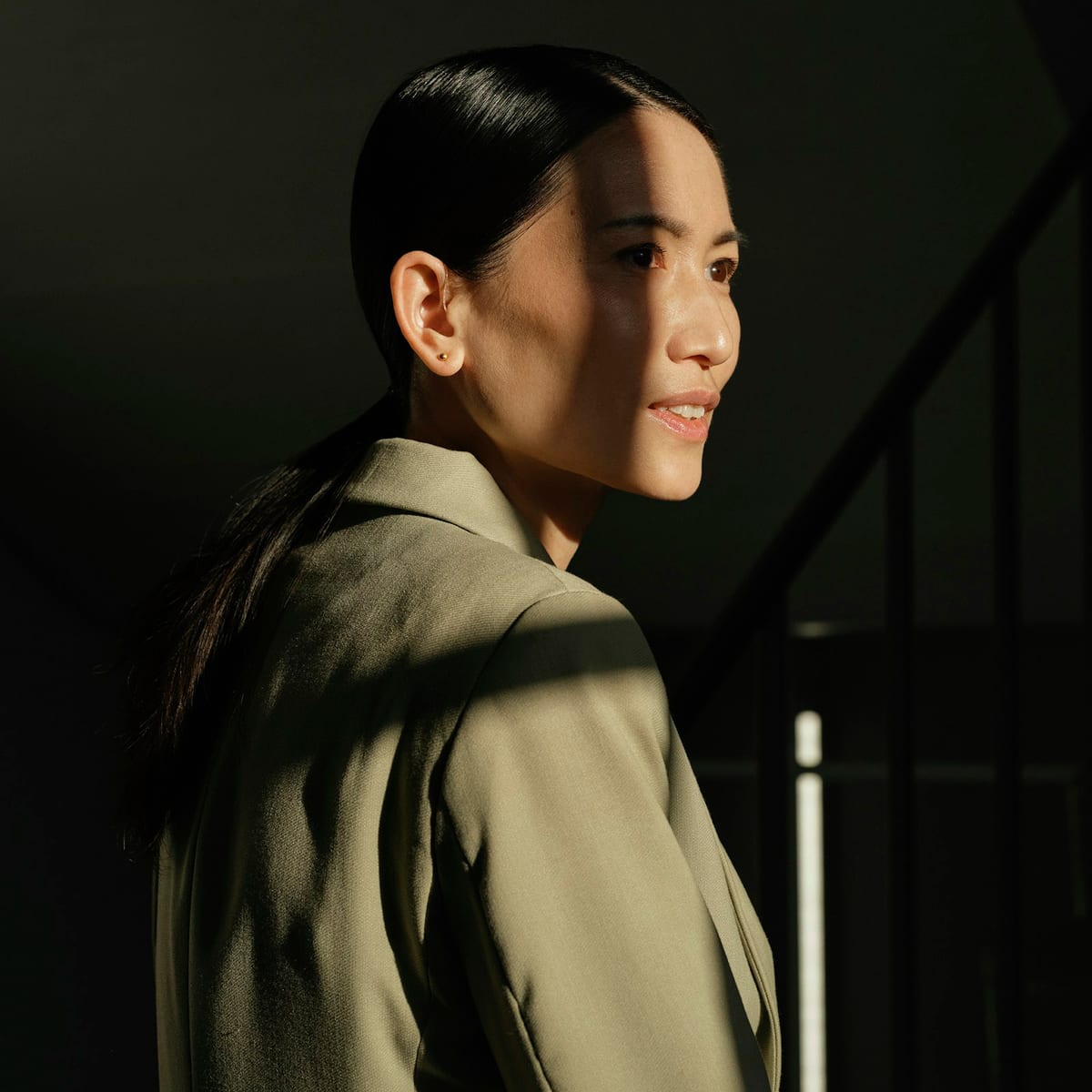
Fashion trends usually move fast, but quiet luxury keeps staying relevant. In an era of constant social media cycles, logo fatigue, and micro-trends that disappear in weeks, people are gravitating toward clothing that feels refined without being loud. Quiet luxury offers exactly that: subtle quality, clean silhouettes, and confidence without obvious branding.
This is why it continues to dominate modern fashion. It is not just an aesthetic trend. It is a practical response to how people want to dress now: polished, versatile, and less performative.
What quiet luxury really means
Quiet luxury is often misunderstood as simply “expensive basics.” In reality, it is more about visual restraint and quality signals than price alone. The look is defined by strong fit, premium-feeling fabrics, thoughtful tailoring, and neutral or muted palettes. Branding is minimal, and attention goes to construction, texture, and proportion.
You can wear quiet luxury at different budgets. The principle is intentional simplicity, not status display.
Why the aesthetic resonated so strongly
After years of maximal logos and high-noise trend culture, many consumers are seeking visual calm. Quiet luxury feels grounded and adult in comparison to rapid trend churn. It communicates taste through detail instead of obvious labels, which makes it appealing across age groups and style backgrounds.
It also photographs well. Clean lines and restrained palettes are highly shareable on social media while still looking wearable in real life.
The social media paradox: low-key style in high-visibility platforms
Quiet luxury became popular partly because social media amplified it, even though the style itself resists attention-seeking. Creators found that neutral, tailored outfits looked elevated and repeatable. Audiences responded because these outfits felt attainable in structure, even if not identical in brand.
In other words, quiet luxury succeeded online because it balanced aspiration with practicality.
Quality over novelty is becoming a stronger value
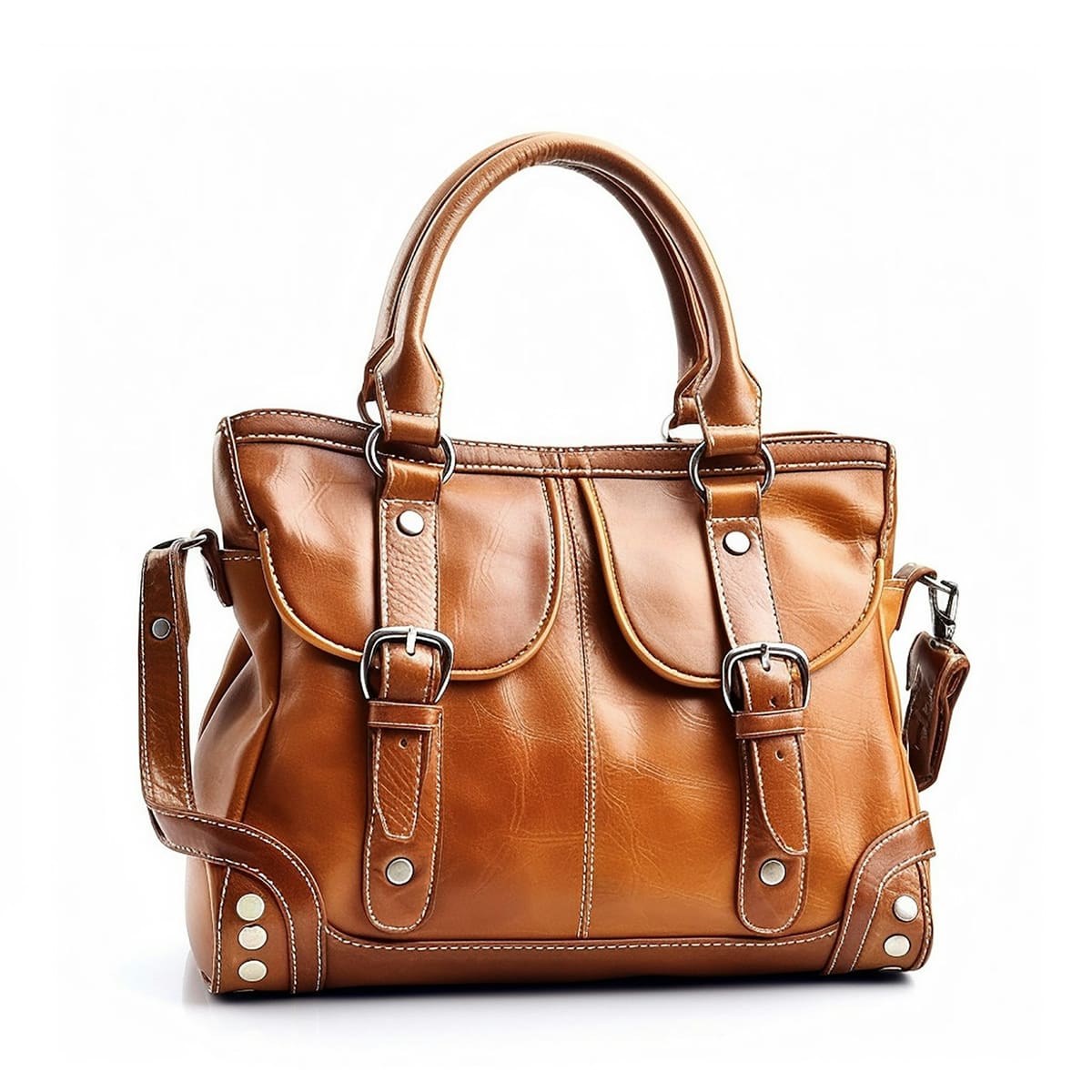
Modern shoppers are increasingly evaluating cost-per-wear, not just price tags. Quiet luxury supports this mindset by encouraging fewer, better pieces that combine easily. A well-made blazer, trouser, coat, or handbag can be worn for years, reducing the need for constant replacements.
This long-horizon value logic is one reason the style remains commercially strong.
The core visual codes of quiet luxury
- Tailored silhouettes: clean shoulder lines, structured trousers, balanced proportions.
- Neutral palettes: cream, black, navy, charcoal, camel, and soft earth tones.
- Minimal hardware and logos: understated finishing over flashy branding.
- Premium textures: wool, cashmere, quality cotton, leather, and refined knits.
- Timeless accessories: elegant bags, subtle jewelry, polished footwear.
These details create an elevated impression without needing trend-heavy styling tricks.
Why quiet luxury works in daily life
One reason this style lasts is versatility. Quiet luxury outfits can move between office, travel, dinner, and weekend settings with minor adjustments. A single base look can be adapted through shoes, outerwear, and accessories rather than full wardrobe changes.
That flexibility is highly valuable for modern schedules and smaller, more intentional wardrobes.
Is quiet luxury only for high budgets?
No. While luxury brands helped popularize the look, the styling principles are transferable. Fit, fabric feel, and color cohesion matter more than labels. You can build a quiet-luxury-inspired wardrobe through thoughtful sourcing, tailoring, and selective investment in key pieces.
The fastest way to improve the look is usually better fit and fewer distracting details, not necessarily higher spending.
Criticism and limitations of the trend
Quiet luxury is sometimes criticized for being socially coded or exclusionary. In some contexts, it can become another form of status signaling hidden behind “subtlety.” It can also feel repetitive if interpreted too rigidly.
The healthiest approach is using quiet luxury as a foundation, then adding personal expression through color accents, jewelry, and styling choices that reflect individuality.
How brands are adapting to the quiet luxury demand
Many brands now emphasize fabric sourcing, craftsmanship storytelling, and timeless cuts instead of heavy logo campaigns. Product design is shifting toward long-term wearability, seasonless colorways, and quieter branding systems. Even trend-driven labels are releasing more minimalist collections to meet demand.
This indicates quiet luxury has moved from temporary buzz into broader market strategy.
How to wear quiet luxury without looking generic
1) Start with fit first
Tailoring is the foundation. Poor fit weakens the whole look, no matter the brand.
2) Build a neutral core wardrobe
Use a small set of compatible colors so items mix effortlessly.
3) Focus on texture contrast
Combine structured and soft fabrics to add depth without visual noise.
4) Keep accessories intentional
Choose one or two refined pieces rather than many statement items.
5) Add subtle personal signature
Use a recurring detail such as a signature watch, scarf style, or footwear shape.
This keeps the look elegant while still feeling like you.
Will quiet luxury remain relevant?
Fashion is cyclical, so aesthetics will continue evolving. But the underlying values behind quiet luxury—quality, longevity, versatility, and restraint—are likely to remain strong. Even when louder trends return, these principles will still anchor modern wardrobes.
That is why quiet luxury is less of a short trend and more of a long-term style framework.
Bottom line
Quiet luxury is still dominating modern fashion because it aligns with how people increasingly want to dress: intentional, polished, and practical. It offers visual sophistication without logo dependence and supports smarter wardrobe economics through repeat wear value.
Whether your budget is high or moderate, the formula is the same: better fit, better fabrics, cleaner styling, and confidence in subtle detail.