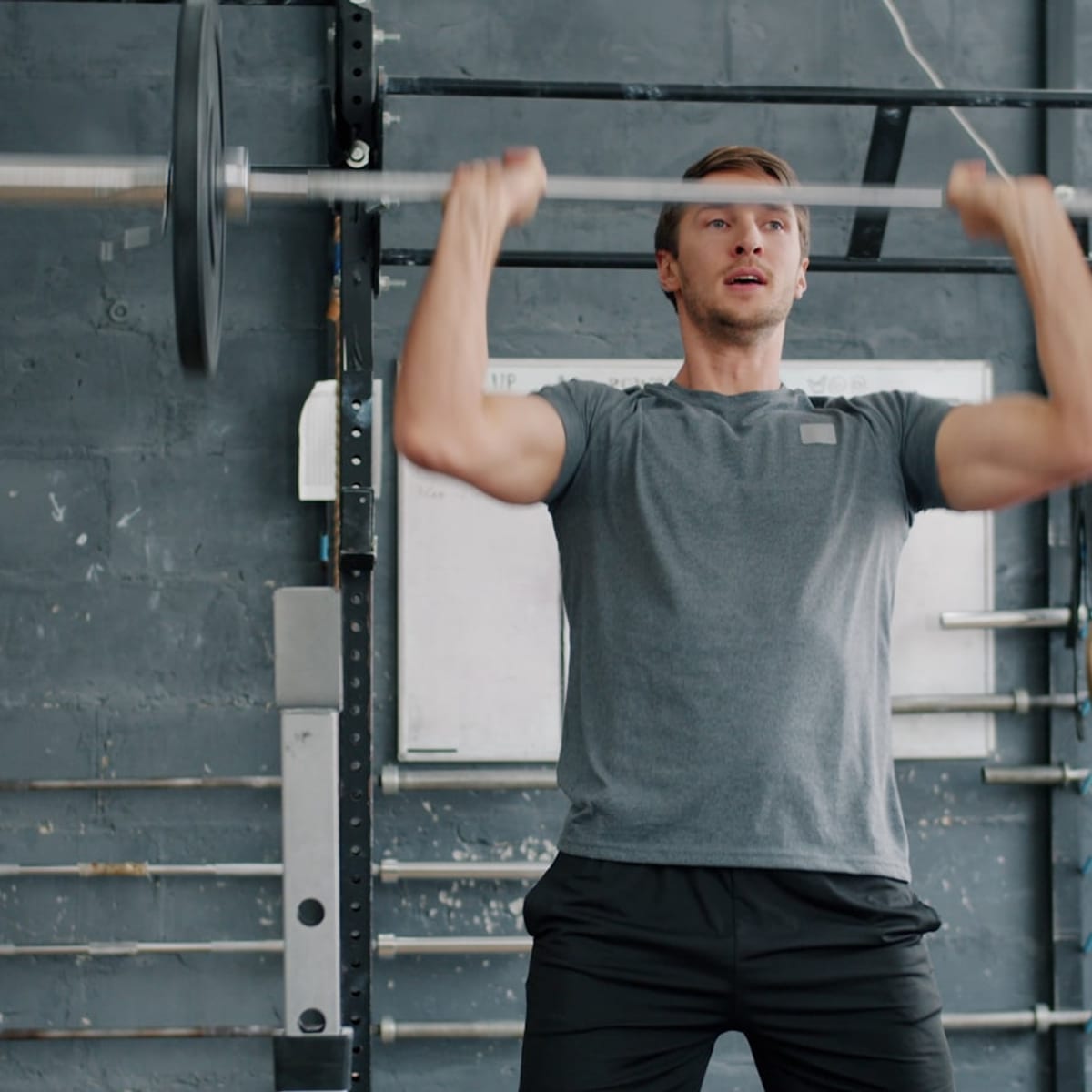
Many people start training with two goals at the same time: lose fat and gain muscle. On paper, that sounds ideal. In real life, progress slows when strategy is unclear. One week you cut calories aggressively, the next week you eat in surplus, then you wonder why your body and performance feel stuck. The question is not whether both goals matter. The question is which one should lead first based on your current condition.
Choosing the right priority can save months of frustration. A clear sequence helps your training plan, nutrition targets, and recovery decisions work together instead of canceling each other out.
Can you burn fat and build muscle at the same time?
Yes, body recomposition is possible. Beginners, people returning after a long break, and individuals with higher body-fat levels often can lose fat while gaining some muscle at the same time. But for intermediate and advanced trainees, significant progress in both directions simultaneously becomes slower and less predictable.
That is why many coaches still use phased priorities. You can still maintain the secondary goal while focusing mainly on the primary one. For example, during a fat-loss phase you can preserve muscle and even gain a small amount if programming and protein intake are strong.
How to decide what should come first
The best first phase depends on three factors: current body-fat level, training age, and timeline pressure. If body fat is relatively high and movement feels heavy, starting with fat loss usually improves health markers and training comfort quickly. If body fat is already low-to-moderate and strength is the main weakness, a muscle-building phase can be more productive.
Athletes with performance deadlines need a sport-specific decision. For weight-class sports, body weight management may come first. For power or contact demands, muscle gain may have higher return. The right choice is the one that supports your next six months, not just this week.
Quick decision framework
- Start with fat loss if body fat is high, energy is low, and conditioning is poor.
- Start with muscle gain if you are leaner, under-muscled, and performance-limited by strength.
- Use recomposition if you are a beginner or returning after inactivity.
- Prioritize performance needs if competition schedule is fixed.
Why many people should begin with fat loss
When body fat is elevated, reducing it first often improves insulin sensitivity, work capacity, movement quality, and confidence. Training feels easier, sleep can improve, and daily energy often becomes more stable. This creates a better base for a later lean muscle-gain phase.
Fat-loss-first does not mean starving. It means a moderate calorie deficit, high protein intake, progressive strength training, and enough steps or cardio to support expenditure. The goal is to lose fat while protecting performance and muscle tissue.
When muscle building should come first
If you are already fairly lean and struggle with low strength, poor power output, or thin muscle mass, building muscle first can be more efficient. A controlled calorie surplus supports harder training, better recovery, and clearer strength progression. Later fat loss also becomes easier because you start from a stronger metabolic and muscular base.
The key is to keep the surplus small and intentional. Aggressive bulking often adds unnecessary fat that you then need to diet off for too long. Slow, quality gain wins in the long run.
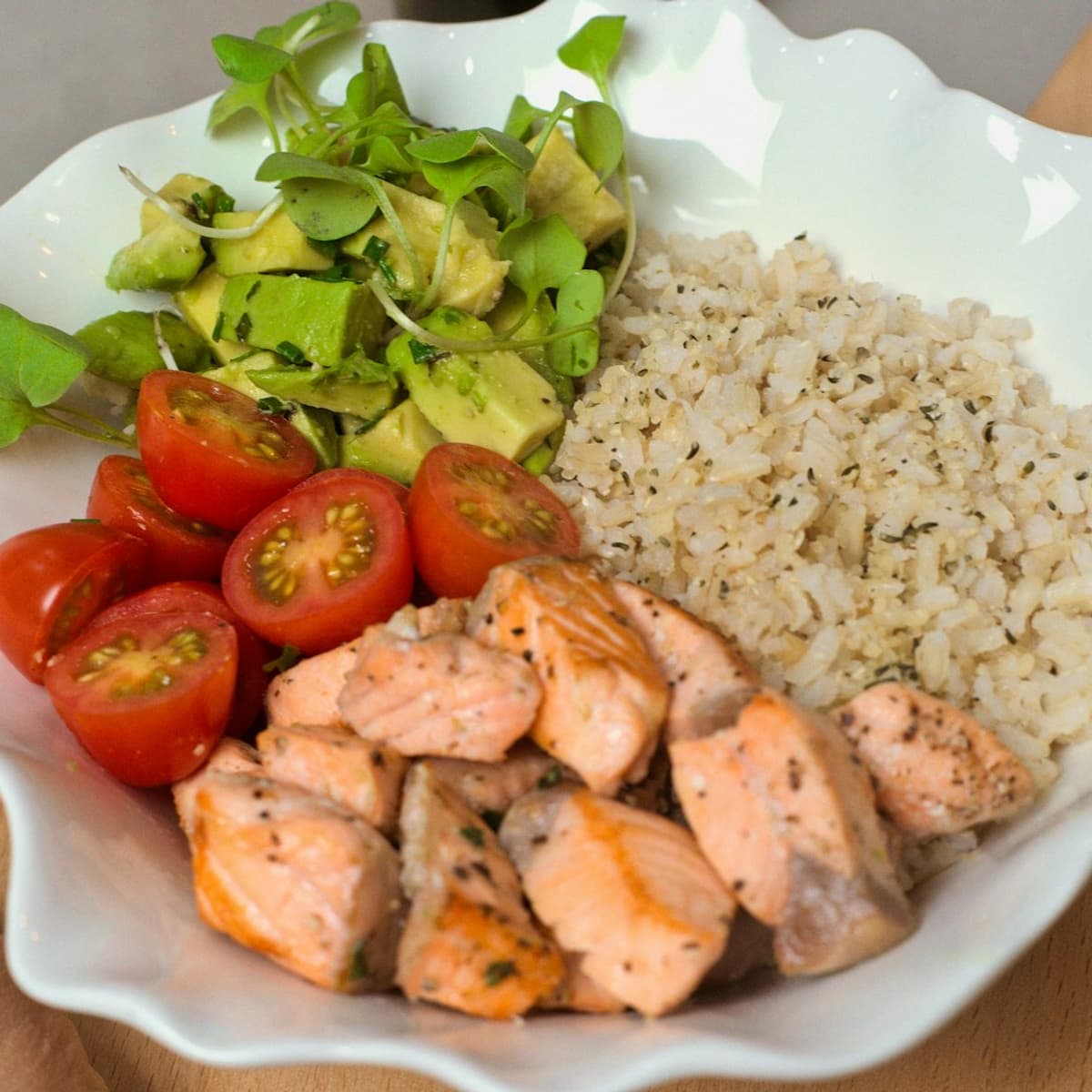
Nutrition targets for each phase
Fat-loss phase basics
- Calories: moderate deficit, usually 300 to 500 kcal below maintenance.
- Protein: high and consistent across meals.
- Carbs: focused around training to maintain output.
- Fats: sufficient for hormonal support, not excessively low.
Muscle-building phase basics
- Calories: small surplus, usually 150 to 300 kcal above maintenance.
- Protein: stable daily intake, not dramatically higher than cutting phase.
- Carbs: higher to fuel training volume and intensity.
- Fats: balanced to support recovery and appetite control.
In both phases, food quality matters. Nutrient-dense meals, hydration, and meal timing around training improve adherence and outcomes more than chasing trendy diet labels.
Training should not change as much as people think
A common mistake is turning fat-loss training into endless circuits and turning muscle gain training into random heavy ego lifting. In both phases, progressive resistance training stays the core. The main difference is total volume, recovery capacity, and cardio dose.
During fat loss, reduce junk volume and keep intensity high enough to preserve muscle. During muscle gain, expand volume gradually and push progression when recovery allows. Keep movement patterns stable long enough to measure real progress.
Common mistakes that ruin both goals
- Switching goals every week: no phase lasts long enough to work.
- Cutting calories too hard: strength drops and muscle loss risk rises.
- Bulking too aggressively: fast weight gain adds excess fat.
- Ignoring protein distribution: poor recovery and weaker adaptation.
- No progress tracking: decisions become emotional, not data-based.
Most people do not fail because they chose the wrong goal once. They fail because they never commit to one approach long enough to see adaptation.
How long should each phase last?
A practical fat-loss phase often runs 8 to 16 weeks depending on starting point. A lean muscle-gain phase can run 4 to 8 months with slower but steady progress. Recomposition phases vary but usually need patience and highly consistent habits to show clear results.
Use checkpoints every two to four weeks: body weight trend, waist or body measurements, gym performance, and energy levels. If multiple markers move in the right direction, keep going. If not, adjust one variable at a time.
A practical order for most recreational athletes
For many people with moderate-to-high body fat, this sequence works well: start with fat loss, transition to maintenance for two to four weeks, then begin a controlled muscle-building phase. This protects adherence and reduces rebound patterns.
For leaner trainees, starting with muscle gain then running a short, controlled cut later is often more efficient. The right order is individual, but the principle is universal: choose one clear primary target per phase.
Bottom line
There is no universal winner between fat burning and muscle building. The best first move depends on your current body composition, training history, and performance goals. Pick one primary focus, run it with consistency, and keep the other goal in maintenance mode. That approach beats mixed signals every time and produces better results across a full training year.