Hard training gets attention, but recovery decides how much progress an athlete actually keeps. You can do the perfect workout and still underperform the next day if your nutrition is not supporting repair, hydration, and energy restoration. This is where many athletes lose momentum. They train with structure but eat with guesswork.
Smart nutrition is not about expensive supplements or strict meal rules that are impossible to maintain. It is about timing, consistency, and choosing foods that match your training load. When those pieces align, soreness drops faster, sleep quality often improves, and performance feels more stable across the week.
Why nutrition drives recovery speed
Training creates stress. That stress is useful only when your body has enough resources to adapt. Muscles need amino acids for repair, glycogen stores need carbohydrate to refill, and your nervous system needs adequate fluid and minerals to function well. If one part is missing, recovery slows down even if total calories look fine on paper.
Athletes who recover well do not just eat more. They eat with purpose: enough protein across the day, enough carbohydrate around training, enough fluids before thirst becomes obvious, and enough micronutrient-rich foods to support inflammation control and tissue repair.
The first 2 hours after training matter most
The post-workout window is not magic, but it is practical. Appetite is often present, muscles are ready for nutrients, and a structured refuel helps prevent under-eating later. A simple target works for most athletes: include high-quality protein plus carbohydrate within 30 to 120 minutes after training.
Good examples include a chicken rice bowl, yogurt with fruit and oats, eggs with toast and fruit, or a smoothie with milk, banana, and protein source. You do not need perfection every session. You need repeatable habits that happen most days.
Post-workout macro guide
- Protein: 25 to 40 grams to support muscle repair and adaptation.
- Carbohydrate: amount depends on session intensity, usually 40 to 100 grams.
- Fluid: replace sweat losses steadily over the next few hours.
- Sodium: include salt in meals, especially after heavy sweating.
This approach works for endurance athletes, team sport players, and strength athletes with minor adjustments in carbohydrate volume and meal size.
Daily protein distribution beats one huge dinner
One of the most common recovery mistakes is low protein all day followed by a very large evening meal. The body responds better when protein is distributed across 3 to 5 feedings. That gives repeated opportunities for muscle protein synthesis and keeps recovery signals active through the day.
A practical pattern could be breakfast protein, lunch protein, post-workout protein, and dinner protein. Snacks can fill gaps if training schedule is unpredictable. Whole food sources remain the foundation: eggs, dairy, fish, lean meat, tofu, tempeh, and legumes.
Carbohydrate is not optional for hard training
Athletes who fear carbohydrates often notice slower legs, lower power, and poor session quality after a few days. Carbohydrate is the primary fuel for moderate to high-intensity work. If glycogen stores stay low, your body shifts into conservation mode and both performance and recovery decline.
Smart carbohydrate use means matching intake to training demand. Hard double-session days need more. Light recovery days need less. This flexible approach is more effective than rigid low-carb rules that ignore sport demands.

Hydration and electrolytes: the ignored performance multiplier
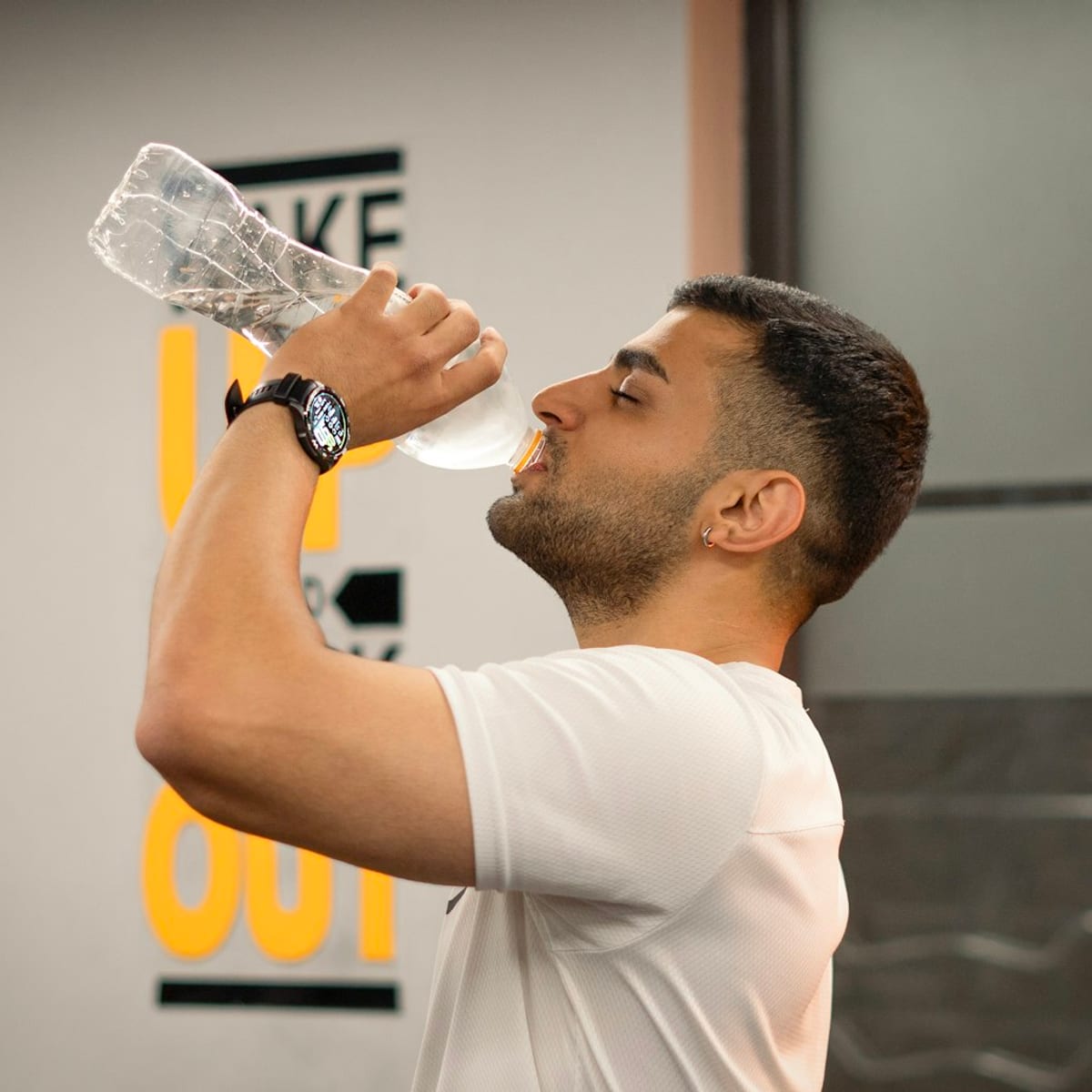
Many athletes track protein but ignore hydration until they feel tired or get headaches. By then, training quality has already dropped. Mild dehydration can affect reaction time, perceived effort, and recovery heart rate. A steady hydration strategy is better than occasional large water intake.
Start sessions hydrated, sip during longer or hotter workouts, and replace fluids after training. If sweat rate is high, include sodium from meals, broth, or electrolyte drinks. Plain water alone is not always enough for heavy sweat sessions, especially in hot climates.
Simple hydration checkpoints
- Morning: drink water soon after waking.
- Pre-training: sip fluid 60 to 90 minutes before activity.
- During: small regular sips for sessions over 60 minutes.
- After: continue drinking with your recovery meal.
You can also monitor urine color as a practical daily signal. Pale straw color usually indicates better hydration status than dark yellow.
Micronutrients that support recovery quality
Calories and macros are important, but recovery also depends on vitamins and minerals. Iron supports oxygen transport, magnesium supports muscle and nerve function, calcium and vitamin D support bone health, and potassium helps fluid balance. Athletes who train frequently should avoid repetitive low-variety meal patterns.
Colorful produce, dairy or alternatives, whole grains, nuts, seeds, and quality protein sources provide a broader nutrient base than supplement-first approaches. Supplements can help in specific gaps, but food variety should remain the default strategy.
How to eat on rest days without slowing progress
Rest day nutrition should still support recovery, not become a random eating day. Keep protein consistent, reduce carbohydrate slightly if activity is lower, and include anti-inflammatory foods such as berries, leafy greens, olive oil, fatty fish, and nuts. You are still rebuilding tissue on rest days, so under-eating can delay adaptation.
Athletes who recover best treat nutrition as a seven-day system, not only a game-day or heavy-session strategy. Consistency across the week is where most performance gains come from.
Pre-sleep nutrition for overnight recovery
Sleep is the largest recovery block in a day, and pre-sleep nutrition can support it. A light protein-rich snack in the evening may improve overnight muscle repair for athletes training hard. Examples include Greek yogurt, cottage cheese with fruit, or milk with oats.
Avoid very heavy, high-fat late meals if they disturb sleep quality. Recovery nutrition should help sleep, not compete with it. Better sleep often means better hormonal recovery, mood, and readiness the next morning.
Common nutrition mistakes athletes should fix first
- Under-fueling after training: waiting too long to eat increases fatigue later.
- Low daytime protein: depending on one dinner meal is inefficient for repair.
- Inconsistent hydration: drinking only when thirsty misses performance needs.
- Too little carbohydrate on hard days: quality sessions become survival sessions.
- Over-reliance on supplements: poor food foundations cannot be replaced by powders.
Fixing just these basics can create noticeable improvements within two to three weeks for many athletes.
A practical one-day recovery-focused template
Breakfast: eggs, whole-grain toast, fruit, and water. Lunch: rice bowl with lean protein, vegetables, and olive oil dressing. Pre-training snack: banana and yogurt. Post-training: recovery shake or meal with protein and carbs. Dinner: salmon, potatoes, and salad. Before bed: a light protein snack if needed.
This template is not rigid. It simply shows how timing and balance can support training output, mood, and recovery speed without extreme dieting.
Bottom line
Athletes recover faster when nutrition is planned with the same intent as training. Prioritize protein distribution, carbohydrate timing, hydration, and nutrient-dense meals you can repeat consistently. Start with basics, track how you feel in sessions, and adjust with your schedule. Smart nutrition does not just reduce soreness. It lets you train better, more often, and with fewer performance dips through the season.