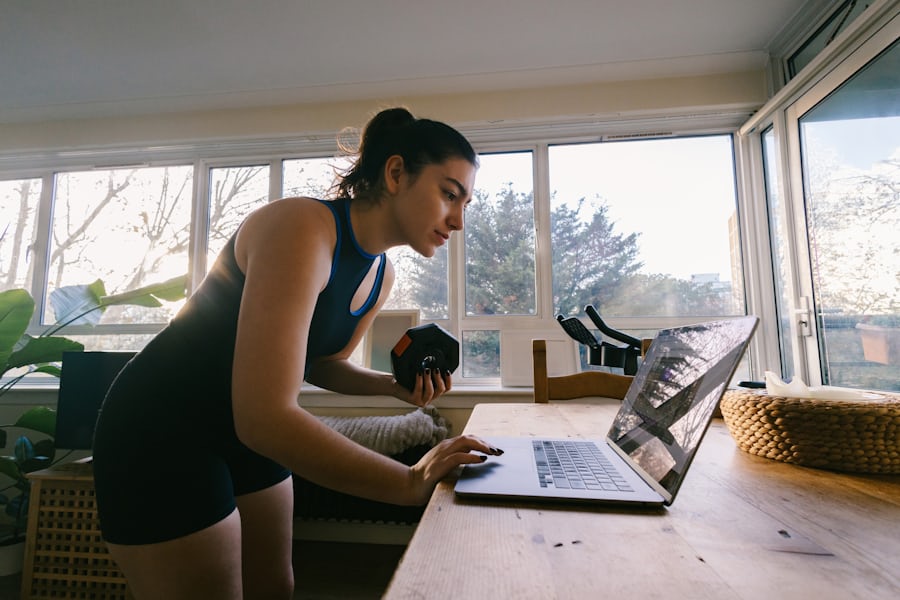
Your calendar is full before breakfast. Meetings stack back-to-back. Commute time steals the little energy you had left. By evening, going to a gym can feel like one task too many, even when you care about your health. This is exactly why home workouts matter for busy professionals: they remove friction. No travel, no waiting for equipment, no wasted setup time.
The common mistake is assuming home training must be light, random, or less effective. In reality, a smart 20 to 35 minute plan at home can build strength, improve cardio fitness, and reduce stress more consistently than a gym routine you cannot sustain. The best program is not the one that looks impressive online. It is the one you can complete week after week.
What makes a home workout effective for busy schedules
Busy professionals need sessions that are simple, repeatable, and measurable. That means clear structure, limited exercise selection, and enough progression to keep results coming. You do not need dozens of movements. You need a small set of high-value patterns done with focus and proper intensity.
A strong home program usually includes four elements: lower-body strength, upper-body pushing and pulling, core stability, and short cardiovascular finishers. When all four are covered across the week, you maintain balanced development without long sessions.
The minimum equipment that delivers maximum return
You can build a highly effective setup with very little: a pair of adjustable dumbbells or resistance bands, a mat, and a sturdy chair or bench. If you can add one more item, a kettlebell is useful for hinge patterns and conditioning circuits. This minimal approach keeps decision fatigue low and helps you start quickly.
Equipment is only part of the equation. Time boundaries are even more important. Decide in advance whether today is a 20-minute, 30-minute, or 40-minute session. Fixed session length prevents overthinking and makes training compatible with real professional life.
Best workout format #1: 25-minute full-body strength
This format works well on high-pressure workdays because it trains the entire body in one session.
- Warm-up (4 minutes): bodyweight squats, hip hinges, shoulder circles, and brisk marching.
- Main block (16 minutes): alternate between goblet squats, dumbbell rows, push-ups, and split squats.
- Core finisher (3 minutes): plank variations with controlled breathing.
- Cool-down (2 minutes): light mobility and slow nasal breathing.
Use interval timing such as 40 seconds work and 20 seconds transition. Keep form crisp. If the weight feels too easy, slow down the lowering phase and pause briefly at the hardest point. This increases stimulus without extending session time.
Best workout format #2: low-impact cardio intervals
Cardio does not need long treadmill sessions. At home, low-impact intervals are efficient and joint-friendly. You can use combinations like fast step-backs, knee drives, shadow boxing, and squat-to-reach patterns. The goal is to keep effort high while staying smooth and controlled.
A practical template is 30 seconds effort, 15 seconds reset, repeated for 18 to 22 minutes. Maintain a pace where speaking full sentences feels difficult. This drives cardiovascular adaptation while fitting into a lunch break or a short gap between meetings.
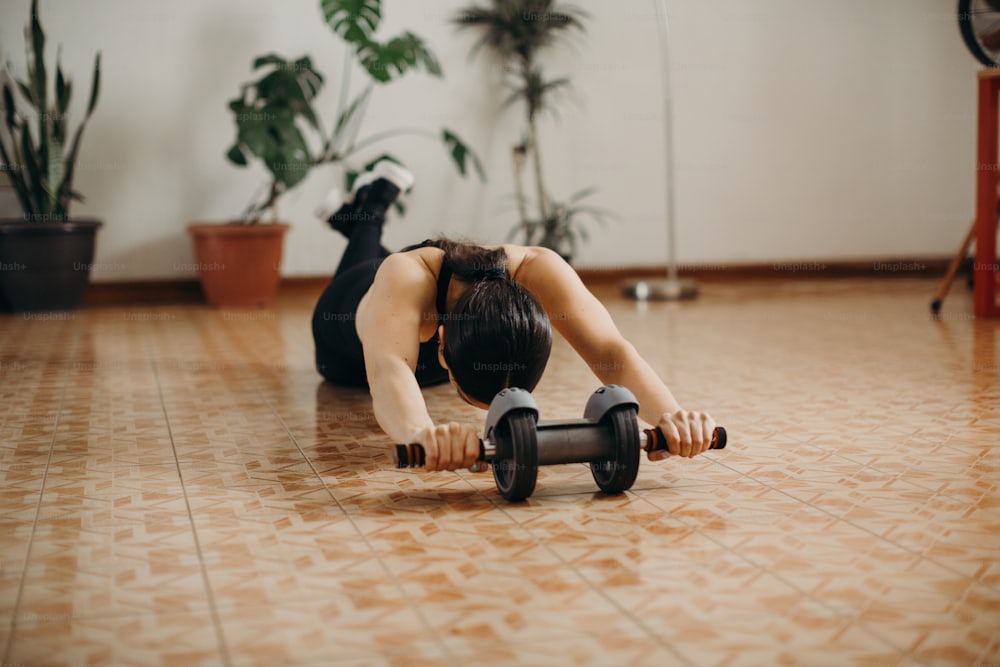
Best workout format #3: strength plus mobility combo
Many professionals sit for long hours, so stiffness can become a barrier to exercise quality. A combined session solves this. Start with 15 to 20 minutes of strength work, then finish with 8 to 10 minutes of mobility for hips, thoracic spine, and ankles. This approach improves movement quality and reduces post-workout tightness.
It is especially useful on days when stress is high and focus is fragmented. You still get a productive training dose while leaving the session feeling better, not drained.
Weekly schedule that works for demanding jobs
The best plan is usually not daily max effort. It is strategic consistency. Try this structure:
- Monday: 25-minute full-body strength.
- Tuesday: 20-minute low-impact cardio intervals.
- Wednesday: rest or 15-minute mobility walk combo.
- Thursday: 30-minute strength plus core focus.
- Friday: 20-minute cardio finisher session.
- Weekend: optional light activity and recovery.
This template gives enough stimulus for progress without overwhelming a busy calendar. If your week explodes unexpectedly, complete at least two strength sessions and one cardio session. That minimum still protects momentum.
How to progress when time stays limited
Progress does not always mean longer workouts. Busy professionals benefit more from targeted progression variables:
- Load progression: increase dumbbell weight when reps become easy.
- Density progression: complete the same work in less time.
- Tempo progression: slow eccentric phases for more muscle tension.
- Complexity progression: move from bilateral to unilateral patterns.
Track one variable per week. This keeps progression clear and avoids random program hopping.
Common mistakes professionals make with home workouts
The biggest mistake is treating every session like a random online challenge. Novelty can be fun, but constant variation makes progress harder to measure. Another common issue is undertraining pulling movements because they are less visible than push-ups and squats. Include rows or band pulls every week to support shoulder health and posture.
A third mistake is ignoring recovery. Professionals often work under chronic stress, and poor sleep reduces training adaptation. Even short workouts need recovery support: hydration, protein intake, and a consistent sleep window whenever possible.
Fast session options for extreme busy days
When your day is packed, use a 12-minute emergency session instead of skipping entirely. Example: 3 rounds of 45 seconds squats, 45 seconds push-ups, 45 seconds rows, 45 seconds marching plank, with brief transitions. This is not perfect, but it preserves the identity of being someone who trains consistently.
Consistency beats intensity spikes. Five short sessions across a month are better than one heroic workout followed by three weeks of inactivity.
Nutrition and recovery for better home workout results
You do not need complex meal plans, but fuel matters. A balanced meal with protein and carbs within a reasonable window around training can improve performance and recovery. Busy professionals also do well with simple defaults: keep healthy snacks available, drink water regularly, and avoid starting evening workouts in a dehydrated state.
For recovery, prioritize sleep regularity more than sleep perfection. Even a small improvement in bedtime consistency can improve morning energy and exercise quality across the week.
How to stay consistent long term
Environment design helps more than motivation. Keep your training space ready, schedule sessions like meetings, and choose a fixed workout start cue such as after your final work call. Reduce setup friction to almost zero. The less activation energy a workout needs, the more likely it happens on stressful days.
Accountability also helps. Track completed sessions on a visible calendar or app. Small streaks create momentum, and momentum protects habit formation.
Bottom line
The best home workouts for busy professionals are short, structured, and progressive. You do not need a perfect gym setup or large blocks of free time. You need a practical weekly system that covers strength, cardio, and recovery while fitting your real schedule. Build from simple sessions, track progress intentionally, and focus on consistency. That approach delivers lasting results even in the busiest seasons of your career.