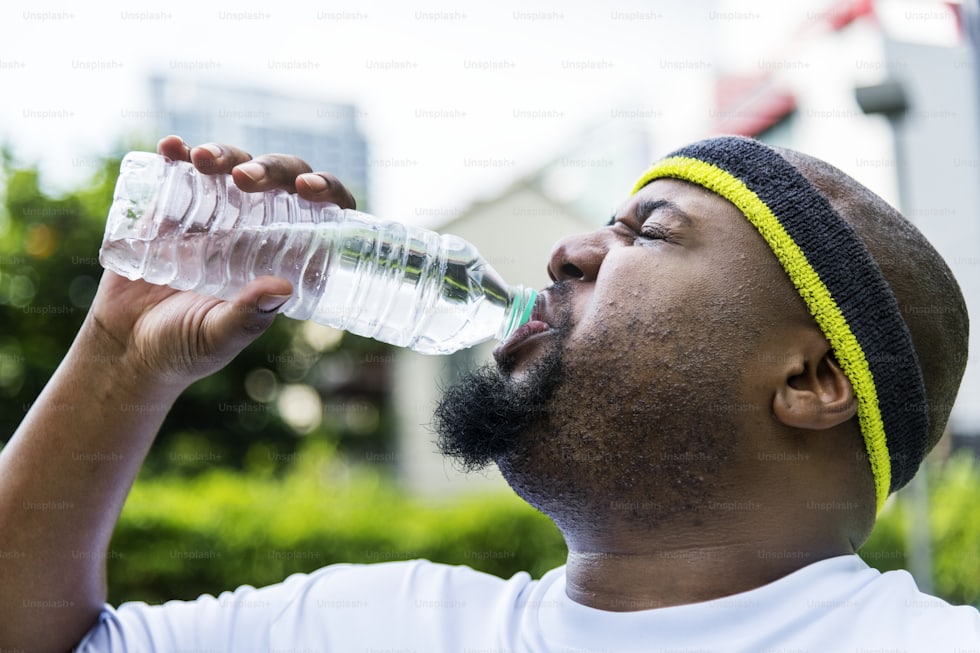
Cold showers have become one of the most talked-about recovery habits in sports and fitness. Some athletes swear by them for reducing soreness and feeling fresher after hard sessions. Others say the effect is mostly mental. The truth is more nuanced. Cold exposure can help in specific contexts, but it is not a universal shortcut and it can even work against certain training goals if used poorly.
If you are training consistently and wondering whether cold showers are worth your time, the key question is not simply whether they work. The better question is when they work, for whom, and what type of adaptation you are prioritizing right now.
What happens in your body during a cold shower
When cold water hits the body, blood vessels near the skin constrict, heart rate and breathing pattern shift, and the nervous system becomes highly alert. This immediate response can reduce the sensation of heat and swelling after intense effort. Many athletes report feeling more awake and less heavy in the legs afterward.
Cold exposure may also lower perceived muscle soreness in the short term. That does not always mean tissue healing is dramatically faster, but it can improve how recovered you feel, which matters for confidence and readiness before your next session.
Cold showers vs actual recovery physiology
Recovery is not one process. It includes muscle repair, nervous system reset, glycogen restoration, hydration, sleep quality, and inflammation control. Cold showers mainly affect perception, circulation patterns, and short-term inflammatory signaling. They do not replace nutrition, rest, or programming quality.
This is where many athletes get confused. Feeling better after a cold shower is useful, but feeling better is not identical to full biological recovery. The best approach is to use cold exposure as one tool in a larger system, not as the foundation of the system itself.
Where the evidence is strongest
Research on cold-water exposure and post-exercise recovery generally supports a modest benefit for reducing delayed-onset muscle soreness and improving perceived readiness. This can be valuable during high-frequency training blocks, tournaments, or busy weeks where quick turnaround matters more than maximal adaptation from each single session.
In plain terms, if you need to perform again soon, cold exposure may help you feel and function better in the short term. That is why many team sport environments use it during congested competition schedules.
Where caution is needed: strength and hypertrophy phases
For athletes focused on muscle gain or maximal strength adaptation, immediate cold exposure after resistance training can be less ideal. Some evidence suggests that blunting post-lift inflammatory signaling too aggressively may reduce parts of the adaptive process that drives hypertrophy over time. The effect is not catastrophic, but it matters when training precision is high.
This does not mean you must avoid cold showers completely. It means timing matters. If your priority is long-term muscle growth, avoid very cold exposure immediately after key lifting sessions and place it later in the day or on non-lifting recovery days.
How cold showers differ from ice baths
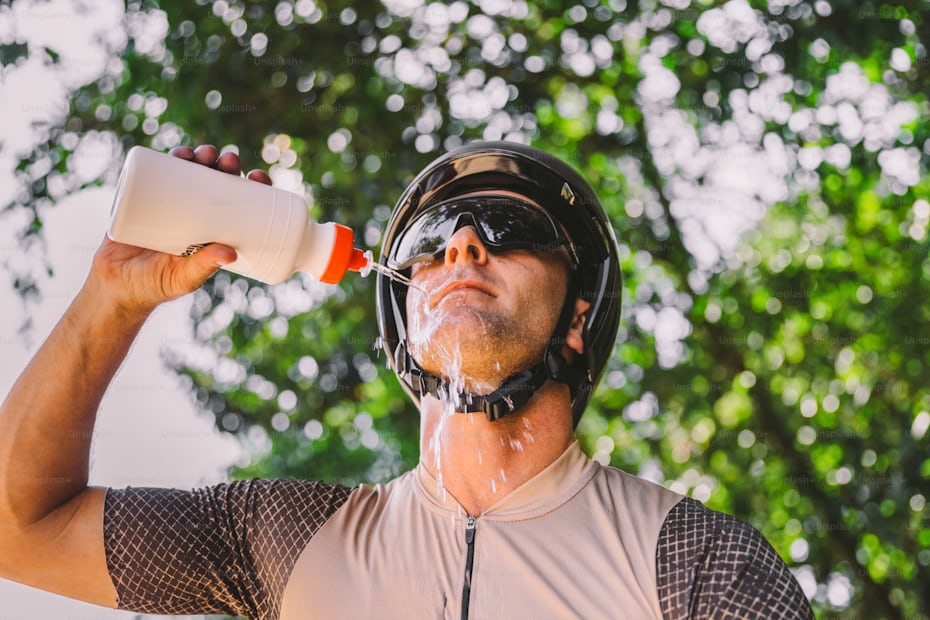
A quick cold shower is not the same as a full cold-water immersion protocol. Ice baths create more uniform cooling and typically stronger physiological impact due to full-body contact and stable low temperature. Showers are more practical and accessible, but effects may be milder and less consistent because water temperature and exposure area vary.
That said, consistency often beats perfection. A realistic cold shower habit done appropriately may provide better long-term benefit than an ideal ice bath protocol you rarely follow.
Practical protocol for most active adults
A simple starting point is 2 to 5 minutes of cold water exposure after lower-priority sessions or during high-fatigue weeks. Keep breathing controlled and avoid turning it into a stress competition. The goal is recovery support, not proving toughness.
- Temperature: cold but tolerable, not painful shock.
- Duration: begin short and build gradually.
- Frequency: 2 to 4 times per week based on training load.
- Timing: best after endurance or mixed sessions, less ideal immediately after key hypertrophy work.
If you feel drained or sleep quality worsens, reduce frequency. Recovery tools should lower total stress, not add another source of fatigue.
Who benefits most from cold showers
Athletes with dense training schedules, endurance athletes in hot conditions, and people with high perceived soreness often benefit most. Recreational exercisers can also use cold showers to improve post-session refreshment and adherence, especially in warm climates where overheating is a barrier.
People with cardiovascular concerns, cold sensitivity disorders, or uncontrolled blood pressure should be cautious and consult a clinician before aggressive cold exposure routines. Safety always comes first.
Common mistakes that reduce results
- Using cold after every single workout: removes context and may conflict with strength-focused adaptation phases.
- Going too extreme too soon: excessive cold shock increases stress and hurts consistency.
- Ignoring fundamentals: poor sleep and low protein cannot be fixed by cold water.
- Treating discomfort as progress: recovery tools should be strategic, not punitive.
Most benefits come from moderate, repeatable use combined with strong basics: hydration, sleep, recovery nutrition, and intelligent training load management.
How to combine cold showers with other recovery methods
Cold showers work best alongside active recovery, mobility, and post-training fueling. A practical sequence is: cool down walk, hydration, light protein-carb meal, then optional short cold shower if needed for soreness or heat relief. At night, prioritize sleep hygiene first; do not let late intense cold exposure disrupt your ability to fall asleep.
If you track readiness metrics, observe trends over 2 to 4 weeks instead of judging one session. Look at perceived soreness, session quality, mood, and consistency. That data gives a clearer answer than online opinions.
Performance context matters most
During competition-heavy periods, immediate freshness and reduced soreness are often the priority, making cold showers more useful. During muscle-building blocks, allowing some post-training signaling may be more important, so cold exposure should be delayed or reduced. Elite programs often periodize recovery methods the same way they periodize training load.
This perspective helps resolve the common debate. Cold showers are not magic, and they are not useless. They are context-dependent tools.
Bottom line
The science behind cold showers and athletic recovery supports selective use rather than blanket use. They can reduce perceived soreness and improve short-term readiness, especially when sessions are frequent and turnaround time is tight. But they should not replace sleep, nutrition, or smart training, and timing should align with your current goal. Use cold exposure strategically, measure your response, and let your training phase guide the decision.