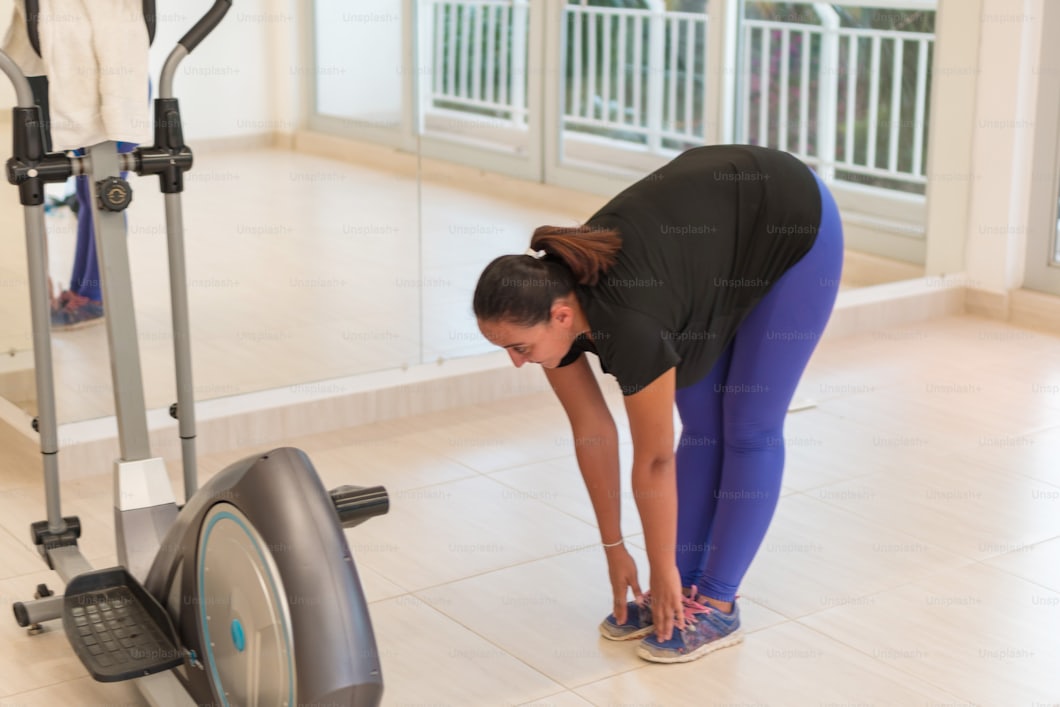
Many people train hard, eat better, and still wonder why progress feels stuck. Squats feel tight. Running form breaks down after a few kilometers. Shoulders ache during overhead work. The common response is to push harder, but effort is not always the missing factor. Often, the missing piece is mobility training.
Mobility is not the same as passive stretching. It is your ability to move a joint through useful ranges with control, strength, and stability. When mobility is limited, every workout becomes a compensation pattern. You may still complete the session, but movement quality drops, injury risk rises, and long-term progress slows.
What mobility training actually means
Mobility training combines flexibility, active control, joint awareness, and tissue tolerance. It asks a simple question: can you access and control the range of motion your sport or training demands? If the answer is no, your body will borrow movement from other areas, often the lower back, knees, or shoulders.
For example, limited ankle mobility can reduce squat depth and shift stress to the knees or lumbar spine. Limited thoracic mobility can make overhead pressing feel unstable. Limited hip rotation can affect stride efficiency and reduce force transfer in running or lifting. Mobility work targets these bottlenecks directly.
Why strength alone cannot solve mobility limitations
Strength training is essential, but it does not automatically fix restricted movement patterns. You can become stronger inside a limited range and still keep compensations. That is why some athletes plateau despite increasing load. They are building force on top of a movement system that leaks efficiency.
Mobility training expands usable range and improves joint positioning, which allows strength to express more effectively. In practice, this means cleaner technique, better force production, and less wasted energy per rep. Mobility does not replace strength; it unlocks strength.
The performance cost of skipping mobility
When mobility is neglected, performance often declines in subtle ways first. You may need longer warm-ups to feel ready. Recovery soreness may concentrate in the same spots every week. Certain lifts feel inconsistent day to day. Over time, these small signs can become pain patterns that interrupt training continuity.
Consistency is the real driver of fitness. Anything that improves movement quality and lowers interruption risk has a direct performance value. That is exactly where mobility work earns its place.
Mobility and injury risk: what it can and cannot do
Mobility training is not a guarantee against injury, but it improves movement options and load distribution, which can reduce common overuse problems. It is especially useful for people who sit long hours, repeat the same sport motions, or train at high volume without enough movement variety.
The key is specificity. Random stretching routines are less effective than targeted mobility tied to your limitations and training demands. If your sport needs deep hip flexion, thoracic rotation, or ankle dorsiflexion, your mobility plan should reflect that directly.

How mobility improves gym performance quickly
You do not need months to notice changes. With consistent practice, many people feel better movement quality within two to four weeks. Squats become smoother, deadlift setup feels stronger, and overhead positions feel more stable. These improvements often come before visible body composition changes, which is why mobility can feel like an instant performance upgrade.
Better positioning also improves confidence. When you trust your movement pattern, you can train harder with cleaner form instead of guarding against discomfort every set.
The most important mobility areas for most adults
Ankles
Ankle dorsiflexion affects squat depth, landing mechanics, and walking efficiency. Limited ankles force compensation at the knees and hips.
Hips
Hip internal and external rotation influence squat mechanics, lunging, sprinting, and change-of-direction control.
Thoracic spine
Thoracic extension and rotation support overhead movement, breathing mechanics, and trunk control under load.
Shoulders
Shoulder mobility and scapular control are critical for pressing, pulling, and healthy upper-body training volume.
These four zones cover most mobility restrictions seen in desk-based workers and recreational athletes.
A practical mobility plan for busy schedules
You do not need hour-long sessions. Start with 10 to 15 minutes, 4 to 6 days per week. Place mobility where it is easiest to sustain: before training as prep, after training as reset, or in short breaks during workdays.
- Before workouts: dynamic mobility for the joints used in that session.
- After workouts: slower controlled ranges and breathing-focused resets.
- On rest days: short full-body mobility flow with emphasis on your tightest areas.
Short, frequent exposure usually beats long, occasional sessions. Mobility responds well to consistency.
Mobility drills that deliver strong return
- Ankle knee-to-wall drives: improve dorsiflexion for squats and lunges.
- 90/90 hip transitions: build rotational hip control.
- World's greatest stretch variations: combine hip and thoracic mobility.
- Thoracic open-books: improve upper-back rotation for pressing and posture.
- Shoulder CARs: controlled articular rotations for shoulder integrity.
Perform these with control, not speed. The goal is quality movement and active ownership of range.
Common mistakes that limit mobility progress
The biggest mistake is treating mobility as optional cooldown fluff. Another mistake is forcing aggressive stretching without control, which can irritate tissues and create temporary range that disappears quickly. A third mistake is inconsistency: doing a long session once a week and expecting major adaptation.
Mobility gains come from repeated, controlled exposure with progressive challenge, just like strength training. Track your drills, ranges, and movement quality so progress is visible.
How to integrate mobility with strength and cardio
For lifters, use mobility as part of warm-up and between accessory sets. For runners, prioritize ankles, hips, and thoracic rotation after easy runs and before quality intervals. For mixed training, use a weekly template that alternates focused zones while keeping a short daily baseline.
This integration avoids the false choice between mobility and “real training.” Mobility is real training when it improves how you move under load and fatigue.
Signs your mobility work is working
- Technique improves: cleaner squat depth and better overhead positions.
- Pain triggers decrease: fewer recurring tight spots during sessions.
- Warm-up time drops: you feel ready faster.
- Recovery feels better: less joint stiffness after hard days.
- Performance rises: stronger, smoother reps with better control.
If these markers improve, your mobility plan is doing its job even before flexibility numbers change dramatically.
Bottom line
Mobility training is the missing piece in fitness because it connects movement quality to performance and durability. It helps you access better positions, express strength more effectively, and train consistently with fewer interruptions. You do not need complex routines. Start with targeted daily work, stay consistent, and tie mobility to your actual training goals. Once movement quality improves, every other part of fitness works better.