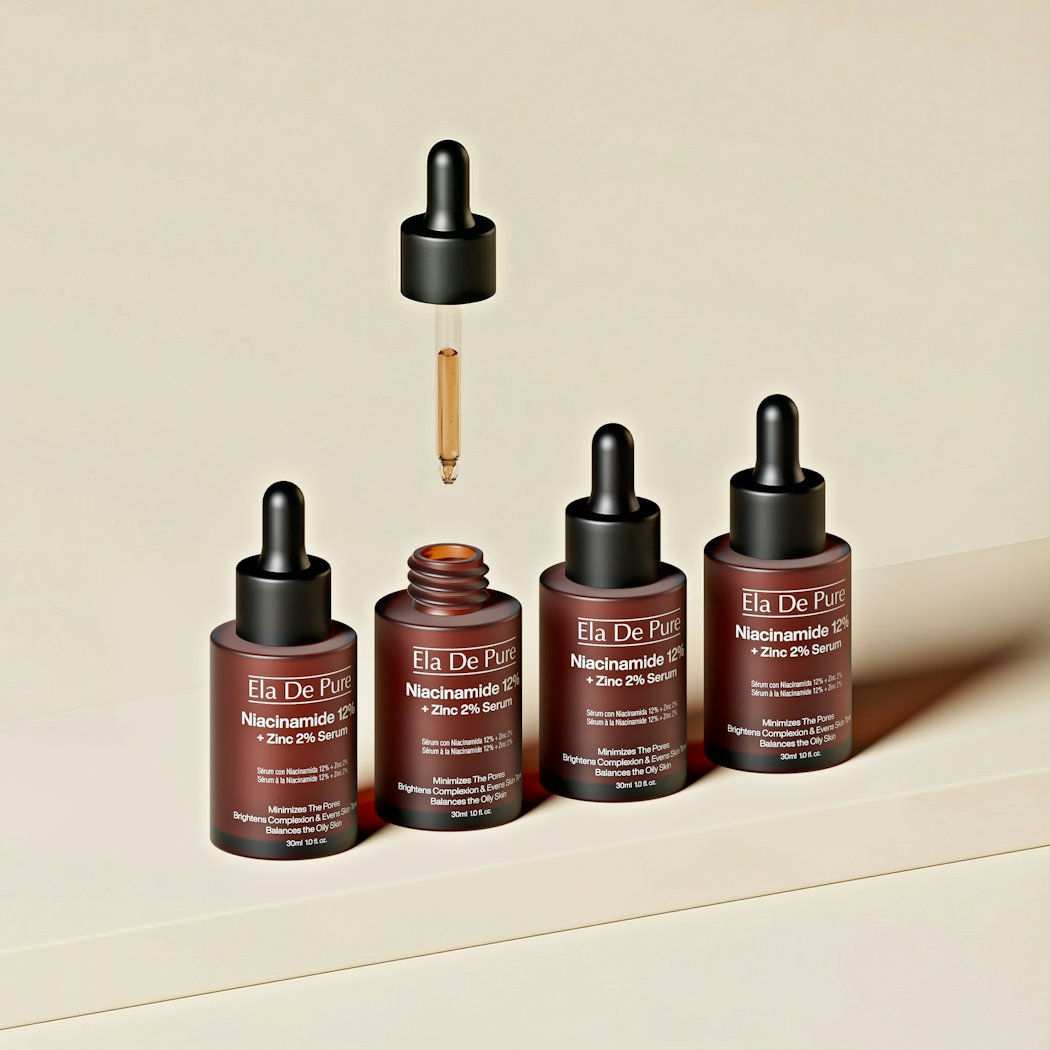
Beauty trends move fast, but 2026 is shaping up differently. Instead of endless new product launches and complicated multi-step routines, experts across dermatology, cosmetic chemistry, and professional aesthetics are pointing in the same direction: smarter, simpler, and more evidence-based beauty. Consumers are becoming more informed, and brands are being pushed to prove claims with real performance, not just viral packaging.
This shift does not mean beauty is becoming boring. It means priorities are changing. Glow is still in, but now it is linked to skin barrier health, ingredient literacy, and long-term consistency rather than overnight perfection.
Trend 1: Barrier-first skincare becomes the default
In 2026, skin barrier support is no longer a niche topic. It is becoming the first principle behind most effective routines. People are learning that over-exfoliation, excessive active layering, and constant product switching often create sensitivity and breakouts. As a result, barrier-friendly formulas with ceramides, panthenol, glycerin, and balanced lipids are becoming core staples.
Experts expect consumers to ask fewer questions like “What is the strongest active?” and more questions like “Can my skin tolerate this consistently?” That mindset shift improves results and reduces the irritation cycle that drives product burnout.
Trend 2: Skinimalism 2.0 replaces extreme routines
Minimalism in beauty is evolving. It is no longer about using as few products as possible. It is about using only what is necessary for your skin goals. A focused routine with cleanser, moisturizer, sunscreen, and one or two treatment products often outperforms a ten-step plan that is hard to sustain.
Professionals predict this “skinimalism 2.0” approach will dominate because it is practical for real life. Busy users want routines they can maintain through work stress, travel, and seasonal changes.
Trend 3: Personalized routines powered by data
Personalization is moving beyond quiz-style product recommendations. In 2026, brands and clinics are increasingly integrating skin history, environmental factors, cycle changes, and lifestyle patterns into product guidance. While not all tools are equally accurate, the direction is clear: one-size-fits-all beauty advice is fading.
Consumers are also tracking triggers more intentionally, including sleep patterns, stress levels, diet shifts, and weather exposure. This creates better decision-making than blindly following trends designed for someone else's skin type.
Trend 4: The rise of “quiet actives”
Highly marketed hero ingredients are still relevant, but experts expect stronger growth in what many call quiet actives: ingredients that support skin calmly and consistently without dramatic irritation risk. Think azelaic-acid derivatives, gentle peptides, low-irritation brighteners, and microbiome-friendly hydration systems.
People want visible results without compromising comfort. Quiet actives fit that need by improving tone, texture, and resilience over time instead of forcing rapid but unstable changes.
Trend 5: Hybrid beauty products become mainstream
The line between skincare and makeup continues to blur. Expect more complexion products that include meaningful skin-supportive benefits, and more skincare formulas designed to perform beautifully under makeup. Consumers increasingly want products that multitask without sacrificing quality in either category.
Experts also predict stronger demand for formulas that support skin comfort in high-stress environments: long office days, digital fatigue, pollution exposure, and frequent climate transitions.
Trend 6: Scalp health enters the beauty spotlight
Scalp care is becoming a major beauty category, not just a haircare subtopic. Dermatologists are emphasizing that scalp inflammation, buildup, and barrier imbalance can affect hair appearance and confidence just as much as facial skin issues affect complexion.
In 2026, expect more scalp serums, balancing exfoliants, and gentle microbiome-support approaches designed for different scalp types rather than generic anti-dandruff-only solutions.
Trend 7: Professional treatments with low downtime
Consumers are increasingly interested in in-clinic treatments that offer visible results with minimal recovery interruption. Instead of aggressive procedures with long healing windows, demand is shifting toward protocols that improve texture, tone, and firmness gradually with lower risk and better schedule compatibility.
This trend aligns with the overall move toward sustainable beauty habits. People want treatments that integrate with daily life, not routines that require constant disruption.
Trend 8: Transparency and ingredient accountability
Beauty shoppers are reading labels more carefully and asking sharper questions about concentration, stability, and evidence behind claims. Marketing language alone is becoming less persuasive. Brands that explain formulation logic clearly and provide realistic expectation timelines are gaining trust.
Experts predict that by late 2026, consumer loyalty will depend more on reliability and transparency than on novelty-driven launches.
Trend 9: Emotional wellness and beauty convergence
Another defining shift is the connection between mental stress, sleep quality, and skin outcomes. Beauty is increasingly framed as part of overall recovery, not just topical product use. Expect more routines designed around evening wind-down, circadian rhythm support, and sensory calming elements that improve adherence.
This trend matters because stressed users often abandon routines quickly. Products and rituals that feel emotionally manageable are more likely to be used consistently, and consistency drives results.
Trend 10: Sustainability moves from packaging to behavior
In previous years, sustainability discussions often centered on recyclable packaging. In 2026, the conversation is broadening toward behavior: buying fewer products, finishing what you open, choosing refill systems that are actually convenient, and avoiding trend-based overconsumption.
Experts view this as a healthier direction for both skin and environment. Overbuying often leads to over-layering and barrier damage, while intentional purchasing supports better routine stability.
How to apply 2026 trends without overspending
- Audit your routine: remove duplicates and irritation triggers.
- Keep the essentials stable: cleanser, moisturizer, sunscreen.
- Add one targeted treatment at a time: evaluate over 6 to 8 weeks.
- Track skin response: focus on comfort, consistency, and flare-up frequency.
- Prioritize sleep and stress care: skin reflects recovery quality.
This approach gives you the benefits of trend awareness without the cost and confusion of trend chasing.
Bottom line
The beauty trends experts predict will dominate 2026 are not about louder routines, but better decisions. Barrier-first care, personalized simplicity, transparent formulas, and wellness-aligned habits are becoming the new standard. The biggest change is mindset: from quick fixes to sustainable skin health. If you build around that principle, your routine will stay relevant long after short-term trends fade.