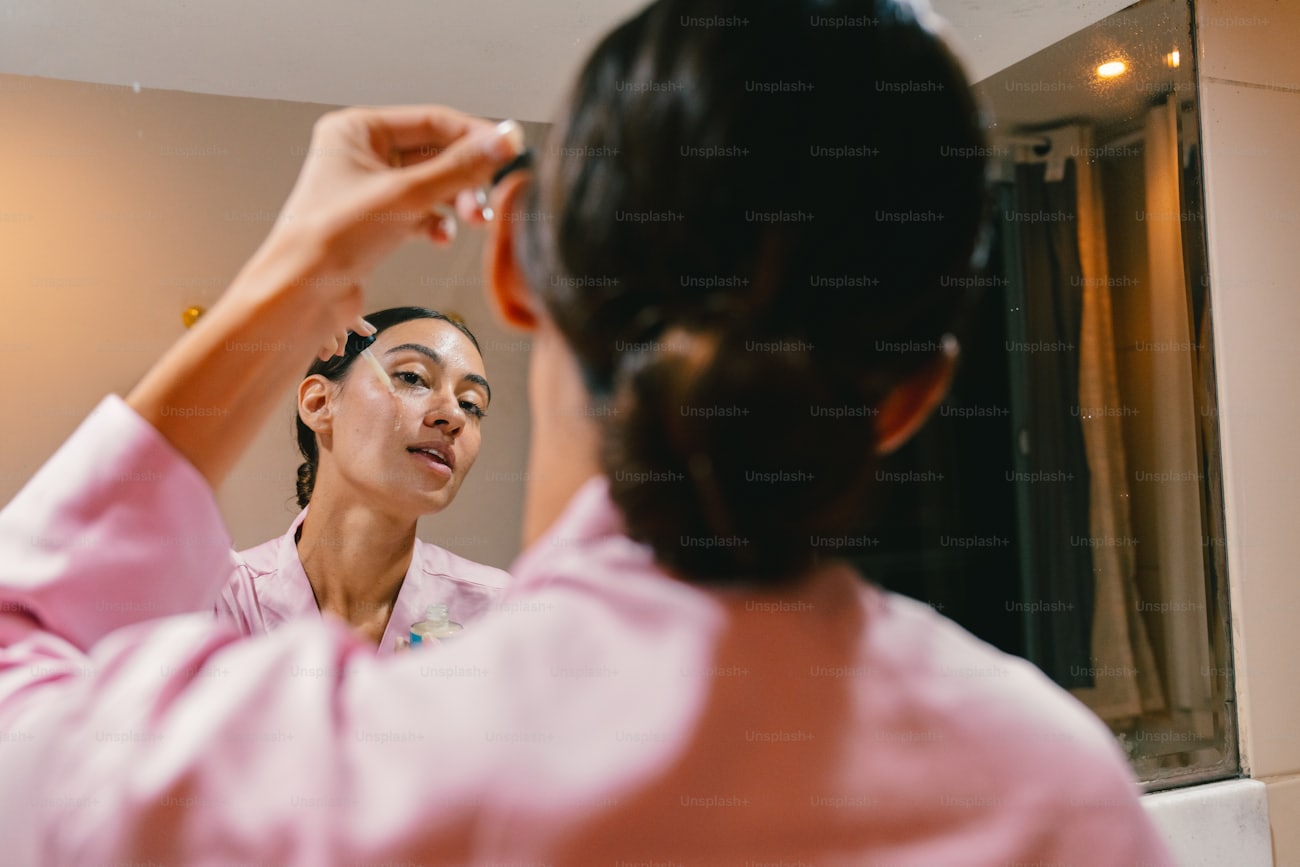
The phrase “glass skin” is everywhere. Social feeds are filled with ultra-dewy faces that look smooth, reflective, and almost poreless. At the same time, more dermatologists and skincare educators are promoting “natural skin” as a healthier expectation. If these two ideas seem contradictory, you are not alone. Many people now feel confused about what healthy skin should actually look like.
The truth is that glass skin and natural skin are not enemies, but they are not the same goal either. Glass skin is largely an aesthetic style. Natural skin is a biological reality with texture, pores, and occasional fluctuation. Knowing the difference can protect both your skin barrier and your mindset.
What “glass skin” usually means
Glass skin originated from K-beauty culture and generally describes skin that appears intensely hydrated, luminous, and very even in tone. The look often includes layered hydration steps, humectants, lightweight moisturizers, and careful sun protection. At its best, the trend encourages consistent routines and healthy skin habits.
However, social media versions of glass skin are often amplified by lighting, makeup, filters, and camera settings. What you see online may be more of a visual finish than an everyday skin condition. Comparing your unfiltered skin to edited content creates unrealistic standards quickly.
What “natural skin” actually means
Natural skin is skin that functions well, even if it shows pores, fine lines, occasional redness, or temporary breakouts. It does not mean neglecting skincare. It means prioritizing skin health over perfection. A healthy skin barrier can tolerate weather changes, recover from irritation, and maintain comfort without constant over-correction.
Natural skin goals usually focus on fewer variables: cleanse gently, moisturize appropriately, protect with sunscreen, and treat specific concerns with targeted actives when needed. This approach is sustainable and less likely to trigger irritation cycles.
The key difference: finish vs function
Glass skin is mostly about visual finish. Natural skin is about function. You can have visually dewy skin that is actually over-exfoliated and sensitized underneath. You can also have skin with visible texture that is biologically strong and healthy. Appearance alone does not always reflect skin resilience.
When people chase shine without protecting function, they often over-layer products, over-exfoliate, and disrupt the barrier. That can lead to stinging, redness, sudden breakouts, and reactive sensitivity that takes weeks to calm.
How routines differ in practice
A glass-skin-inspired routine often uses multiple hydrating layers: toner, essence, serum, moisturizer, and SPF, sometimes plus occlusive finishing steps. This can work for some skin types, especially dry or dehydration-prone skin, if products are chosen carefully.
A natural-skin-first routine is usually simpler: gentle cleanser, moisturizer matched to skin type, daily sunscreen, and one or two treatment products for concerns like acne, pigmentation, or sensitivity. Simplicity lowers irritation risk and helps you identify what truly works.
Why texture is normal and not a failure
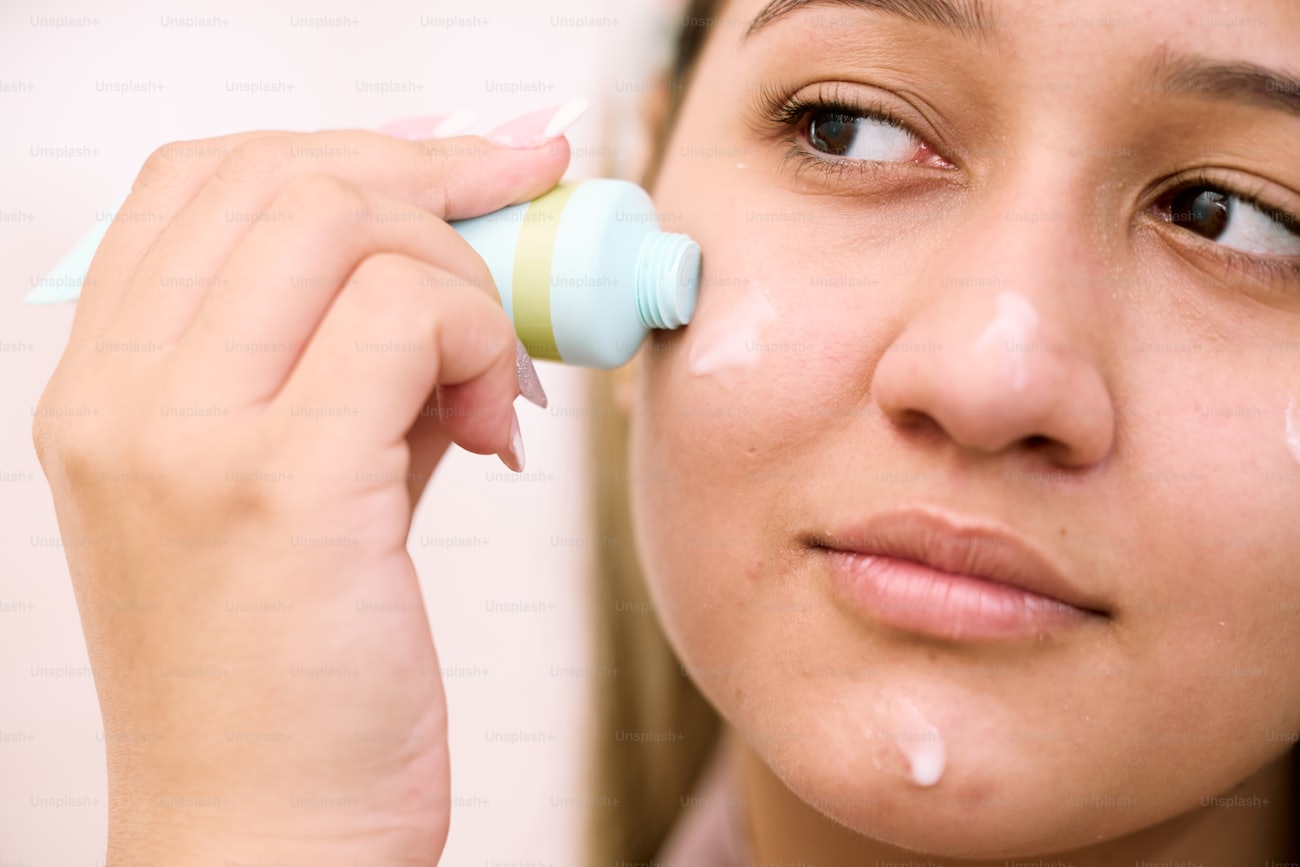
One of the biggest mindset shifts is accepting that pores, peach fuzz, and micro-texture are normal. Skin is an organ, not polished glass. Temperature, hormones, stress, sleep, and cycle changes all influence appearance from week to week. This variability does not mean your routine is broken.
Trying to erase all texture often leads to aggressive exfoliation and stronger actives than your skin can tolerate. In many cases, this creates the exact opposite of the goal: roughness, inflammation, and dullness from barrier damage.
Where both approaches can be useful
There are useful lessons from each side. Glass-skin culture highlights hydration, consistency, and sun protection. Natural-skin philosophy emphasizes barrier health, realistic expectations, and long-term sustainability. The best routine often combines both: glow-supportive hydration with barrier-safe discipline.
You do not have to choose one identity forever. Your skin needs can shift by season, age, climate, and stress levels. Flexible routines usually perform better than rigid trend-based rules.
Common mistakes when chasing glow
- Layering too many actives at once: causes irritation and sensitivity.
- Over-exfoliating for instant smoothness: weakens the skin barrier.
- Skipping sunscreen while using brightening products: undermines progress.
- Copying routines without skin-type context: what works online may fail on your skin.
- Changing products too quickly: no time to evaluate real effects.
A slower, measured approach usually gives better glow over time than frequent routine overhauls.
How to set a realistic skincare goal
A practical goal sounds like this: “I want calmer, well-hydrated skin with fewer flare-ups and steady tone.” That is measurable and health-oriented. A less useful goal is “I want zero pores and mirror-like skin every day.” The second target is mostly visual and rarely stable in real life.
Track progress by comfort, consistency, and flare-up frequency, not only by close-up mirror checks. Better skin health often appears gradually and steadily rather than overnight.
Routine framework for balanced results
Morning
- Gentle cleanse or rinse depending on skin type.
- Hydrating layer if needed (simple toner or serum).
- Moisturizer matched to dryness level.
- Broad-spectrum SPF daily.
Evening
- Cleanse thoroughly to remove sunscreen and debris.
- Targeted treatment 2 to 4 nights weekly (for acne, tone, or texture).
- Barrier-support moisturizer to lock hydration.
This framework supports healthy radiance while protecting natural skin function.
Mental health and skincare expectations
Skincare should improve confidence, not create constant self-criticism. If you find yourself anxious when skin is not “perfectly glowy,” it may be time to simplify your product exposure and limit unrealistic content. Healthy skin includes variation, and your face does not need to look identical every day to be beautiful or well cared for.
A healthier mindset is to treat skin like fitness: focus on habits, not flawless daily outcomes. Consistency beats perfection here too.
Bottom line
Glass skin and natural skin differ mainly in emphasis: one is an aesthetic finish, the other is a functional health baseline. You can borrow the best parts of both by hydrating well, protecting your barrier, and setting realistic expectations. The goal is not to look filter-perfect. The goal is skin that feels strong, balanced, and genuinely healthy over time.