Many people spend money on skincare products but still struggle with dullness, irritation, or uneven texture. The missing piece is often not another expensive formula, but nightly consistency. Dermatologists often emphasize that the skin does a large portion of its repair work overnight, which makes evening habits especially important.
An effective nighttime routine does not need ten steps. It needs the right steps in the right order, done consistently and gently. This is where real, visible improvement usually happens.
Why nighttime skincare matters more than most people think
During sleep, skin shifts into repair mode. Transepidermal water loss can increase at night, and barrier recovery becomes a priority. This means hydration support and irritation control are crucial in evening routines. If skin is exposed to harsh cleansing, over-exfoliation, or incompatible active layering, recovery quality drops.
Night routines should focus on removal of daily buildup, barrier support, and targeted treatment when needed. Simpler, calmer routines usually outperform aggressive ones over time.
Habit 1: Remove sunscreen and makeup thoroughly but gently
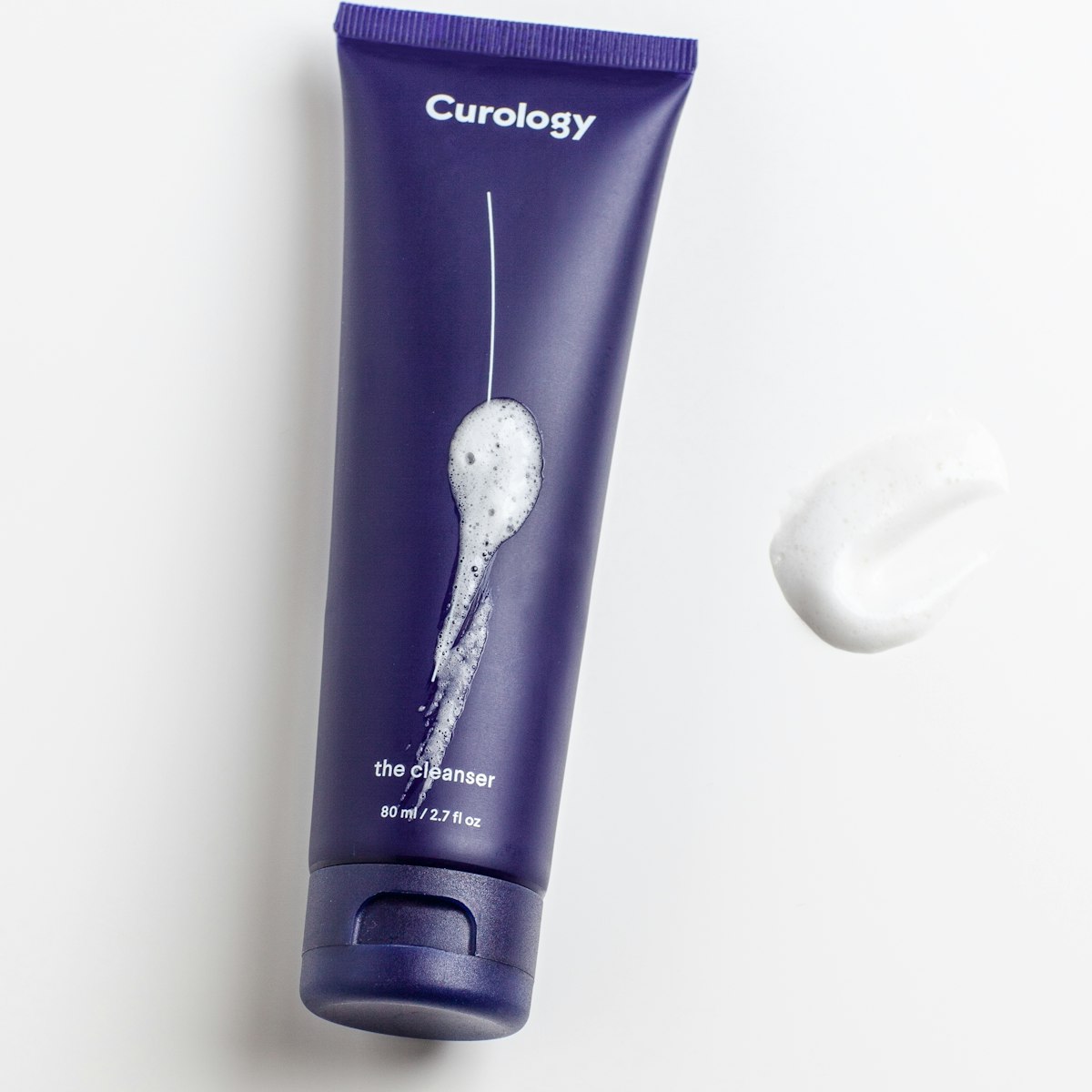
The first non-negotiable step is proper cleansing. Leaving sunscreen, makeup, and urban residue on skin overnight can contribute to congestion and irritation. Dermatologists often recommend a gentle cleanse, and for heavier makeup days, a double-cleanse approach can help.
Use lukewarm water and avoid harsh scrubbing. Cleansing should leave skin clean, not tight or squeaky. Over-cleansing can weaken the barrier and increase sensitivity.
Habit 2: Moisturize within minutes after cleansing
Timing matters. Applying moisturizer on slightly damp skin helps reduce overnight water loss. Barrier-supportive ingredients like ceramides, glycerin, hyaluronic acid, and squalane are commonly recommended for nighttime use.
If your skin feels dry by morning, your moisturizer may be too light or your cleanser may be too stripping. Adjust both before adding extra treatment steps.
Habit 3: Use active ingredients strategically, not all at once
Retinoids, exfoliating acids, and pigment-targeting products can be effective, but layering too many actives in one night often causes irritation. Dermatologists usually recommend introducing one active at a time and increasing frequency gradually.
A simple method is active nights and recovery nights. On active nights, use one targeted treatment. On recovery nights, focus on hydration and barrier repair.
Habit 4: Protect the skin barrier first
A healthy barrier is the foundation of clear, calm skin. When the barrier is compromised, redness, stinging, breakouts, and flaking become more likely. Signs of barrier stress include persistent sensitivity, burning with basic products, and rough texture despite frequent exfoliation.
If these signs appear, reduce actives temporarily and prioritize barrier-supportive products for one to two weeks before reintroducing stronger treatments.
Habit 5: Keep pillowcases and sleep environment clean
Your skincare routine does not end at product application. Pillowcases collect oil, sweat, and residue that can affect skin, especially for acne-prone individuals. Changing pillowcases regularly is a simple but high-value habit.
Room environment also matters. Very dry air can increase overnight moisture loss. In dry climates, a humidifier may support skin comfort and reduce morning tightness.
Habit 6: Avoid late-night picking and over-touching
Many people unconsciously pick at skin while winding down, especially under bright mirror lighting. This increases inflammation and can worsen post-inflammatory marks. Keep routines brief and intentional to reduce over-analysis and unnecessary touching.
If picking is a recurring habit, use practical barriers: dimmer bathroom light, hydrocolloid patches on active spots, and a strict no-magnifying-mirror rule at night.
Habit 7: Match routine to skin type and season
Oily skin may need lightweight hydration and careful active selection, while dry or mature skin often benefits from richer barrier creams. Seasonal changes matter too. Winter routines generally need more hydration and gentler exfoliation compared with humid summer months.
Reassess your nighttime products every few months instead of using one fixed routine year-round.
Common nighttime mistakes dermatologists warn about
- Using too many actives together: increases irritation risk.
- Skipping moisturizer after treatment: weakens barrier recovery.
- Exfoliating too frequently: can cause redness and rebound sensitivity.
- Sleeping in makeup: raises risk of congestion and irritation.
- Changing products too fast: makes it hard to identify what works.
Most skin setbacks come from overcomplication, not under-effort.
A dermatologist-style simple overnight routine
- Step 1: gentle cleanser (or double cleanse on heavy sunscreen/makeup days).
- Step 2: targeted treatment (retinoid or one active, not multiple strong ones).
- Step 3: moisturizer focused on barrier support.
- Optional step: occlusive layer on very dry areas if needed.
This structure is effective for many skin types and easier to sustain long-term.
How long before you see results?
Barrier comfort and hydration can improve within days, but texture, acne, and pigment changes usually need several weeks of consistency. Expect visible trends over 6 to 12 weeks rather than overnight transformation. Skin responds to repetition, not intensity spikes.
Tracking with monthly photos under similar lighting can help you evaluate progress more accurately than day-to-day mirror checks.
When to see a dermatologist
If you have persistent acne, severe sensitivity, eczema flares, rosacea symptoms, or pigment concerns that do not improve, a dermatologist can provide targeted treatment and reduce trial-and-error. Professional guidance is especially useful when over-the-counter routines repeatedly fail.
Early intervention often prevents unnecessary irritation and saves time and cost.
Bottom line
The overnight skincare habits dermatologists recommend are simple and science-based: cleanse gently, moisturize consistently, use actives strategically, protect the barrier, and keep your sleep environment skin-friendly. You do not need a complicated routine to get better skin. You need a consistent one.
When your nighttime routine is calm, targeted, and repeatable, your skin has a better chance to repair and improve while you sleep.