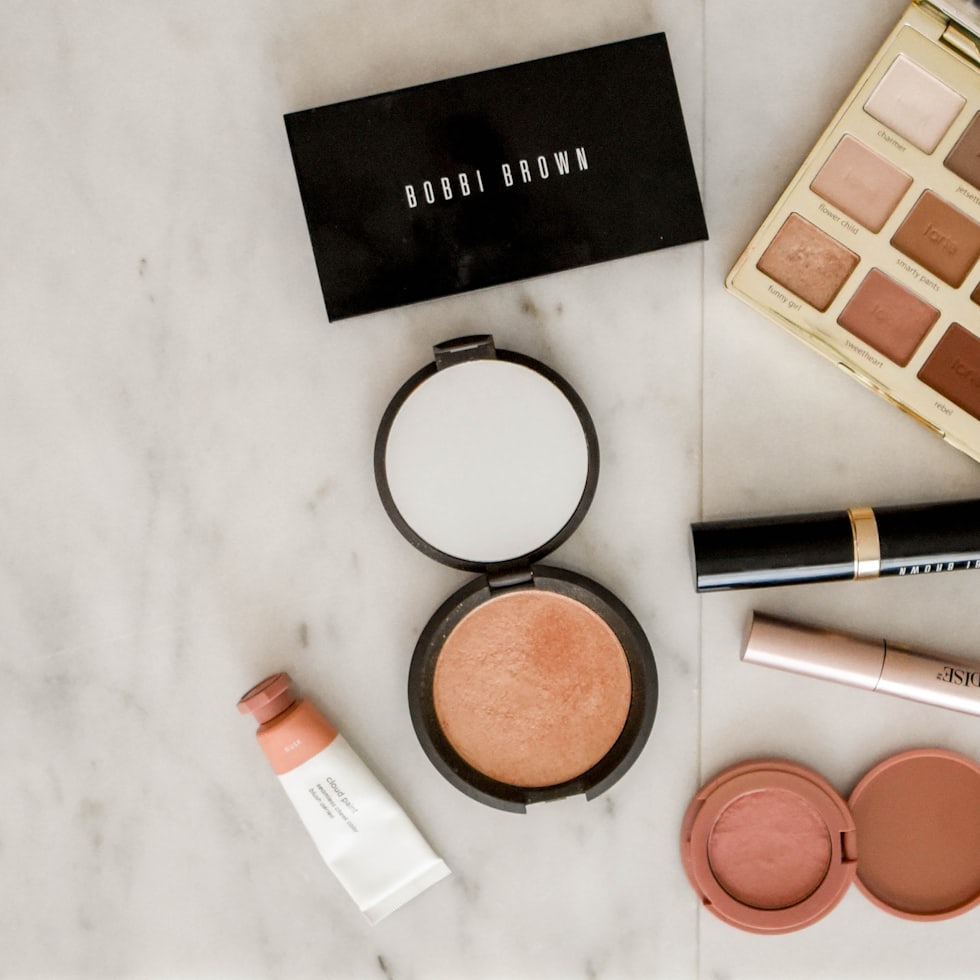
Skincare routines have become increasingly complex. Ten-step regimens, multiple acids, and rotating treatment cycles are often presented as the standard for good skin. Yet many people following these routines report more irritation, breakouts, and confusion instead of better results. This is why minimalist skincare has gained attention.
The core question is simple: does doing less actually work better? For many people, yes. Not because skincare is ineffective, but because skin often performs best when routines are consistent, targeted, and barrier-friendly.
What minimalist skincare actually means
Minimalist skincare is not neglect. It is a focused approach that removes non-essential products and keeps a small number of high-value steps. The goal is to support skin function first, then treat specific concerns with precision.
A true minimalist routine usually includes gentle cleansing, hydration support, daily sunscreen, and one targeted treatment if needed. It prioritizes tolerance and repeatability over novelty.
Why “more products” can backfire
Every product adds variables: active concentration, pH interaction, fragrance load, preservative exposure, and potential irritation. Layering too many formulas can overwhelm the skin barrier, especially when strong actives overlap. This often shows up as redness, stinging, flaking, or sudden breakouts.
Many people interpret irritation as a sign products are “working.” In reality, chronic irritation usually slows progress and increases sensitivity over time.
The science behind a simpler routine
Skin barrier integrity is central to healthy appearance and treatment success. When the barrier is stable, hydration improves, inflammation decreases, and active ingredients are better tolerated. Minimalist routines help by lowering total irritant load and making barrier support more consistent.
Dermatologists often simplify routines first when skin is reactive. Once stability returns, targeted actives can be added gradually with better outcomes.
Who benefits most from minimalist skincare?
- Sensitive skin types that react to frequent product changes.
- People with barrier damage from over-exfoliation or aggressive actives.
- Acne-prone users overwhelmed by layered treatment routines.
- Beginners who need a stable foundation before advanced products.
- Busy schedules where consistency matters more than complexity.
Even advanced users can benefit from minimalist phases to reset tolerance and evaluate what truly works.
When minimalist skincare may not be enough alone
Some concerns require targeted medical or prescription support, such as persistent acne, rosacea, melasma, or eczema flares. In these cases, minimalist routines are still useful as a stable base, but additional treatment may be necessary.
Minimalist does not mean avoiding effective therapy. It means reducing unnecessary steps so essential treatments work better.
Core minimalist routine framework
Morning
- Gentle cleanse (or rinse for very dry/sensitive skin).
- Moisturizer matched to skin type.
- Broad-spectrum sunscreen as non-negotiable protection.
Evening
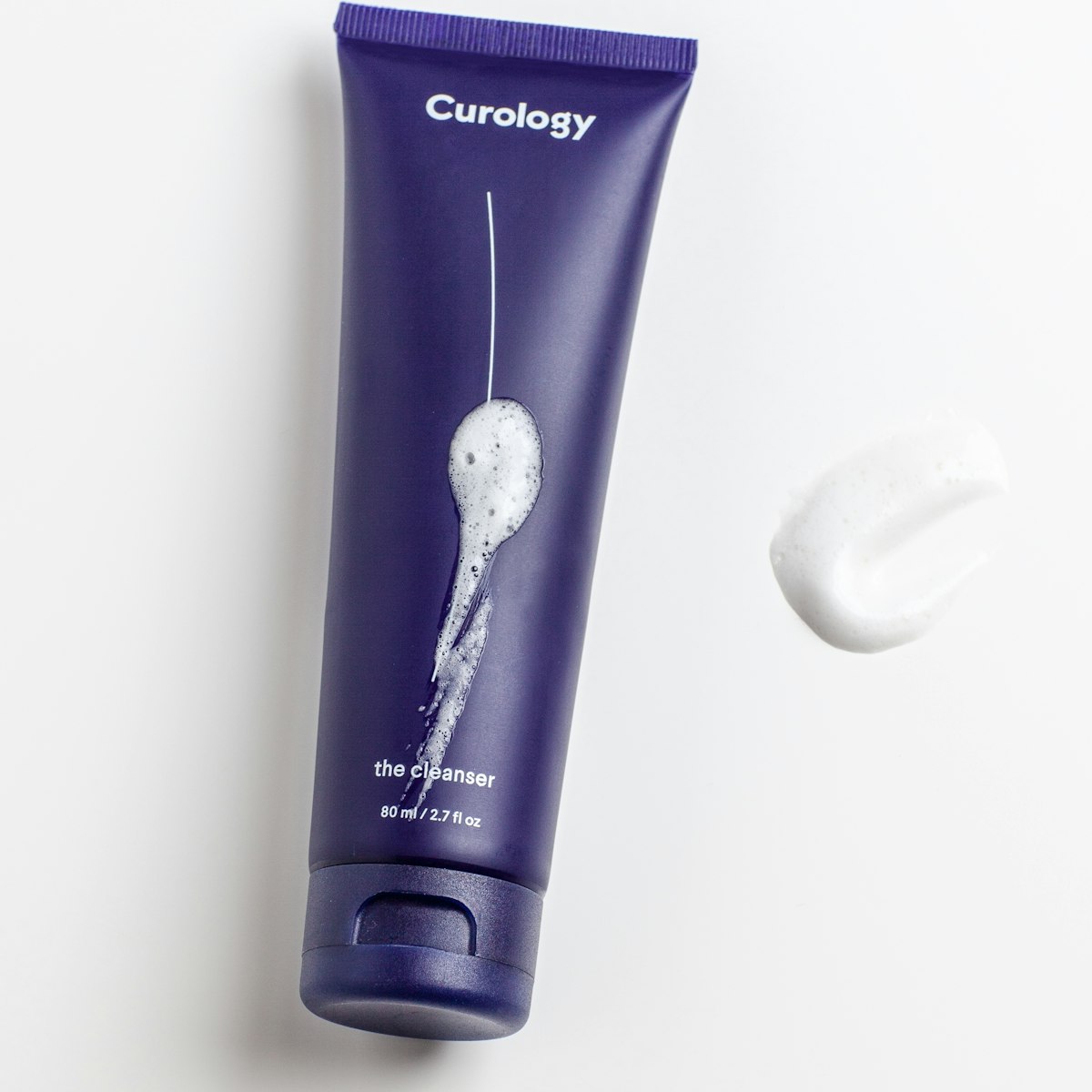
- Thorough gentle cleanse to remove sunscreen and debris.
- Targeted active (optional, one at a time).
- Barrier-support moisturizer to reduce overnight water loss.
This structure is simple enough to follow daily and strong enough for visible progress over time.
How to decide what to remove
If your routine has many steps, remove products gradually rather than all at once. Keep essentials first: cleanser, moisturizer, sunscreen. Then evaluate treatments by results and tolerance. If a product does not address a clear need, it may be unnecessary.
Track changes over 3 to 6 weeks. Skin needs time to stabilize after routine adjustments.
Common myths about minimalist skincare
Myth 1: Simple routines are only for people with perfect skin. In fact, reactive and acne-prone skin often improves with simplification. Myth 2: More expensive means better results. Formula suitability and consistency matter more than price alone. Myth 3: You need many actives for faster progress. One well-chosen active used correctly is often more effective than several used inconsistently.
Minimalism is about strategy, not doing the bare minimum forever.
Signs your skin is improving with less
- Lower daily redness and stinging.
- Fewer random breakouts from irritation.
- More consistent hydration and smoother texture.
- Better tolerance when introducing treatment products.
- Easier routine adherence with less decision fatigue.
These signs usually appear before dramatic visual changes, but they indicate healthier long-term progress.
How long should you test a minimalist routine?
A realistic test period is 6 to 8 weeks. This allows your barrier to stabilize and gives enough time to judge trend-level changes. Daily fluctuations are normal, so avoid overreacting to single-day outcomes.
If your skin becomes calmer and more predictable, you can keep the routine as is or add one targeted product slowly.
Minimalist skincare and budget benefits
Simpler routines often reduce cost and waste. Fewer products mean lower spending, less expired inventory, and easier repurchasing decisions. This makes long-term adherence more practical, especially for people tired of trend-driven shopping cycles.
Financial sustainability is a real skincare advantage, not just a side benefit.
Bottom line
Minimalist skincare can absolutely work better for many people because it strengthens consistency, protects the barrier, and reduces irritation from product overload. Less is not automatically better in every case, but less with intention often is.
Start with essentials, keep treatments targeted, and give your skin time to respond. In skincare, clarity and consistency usually outperform complexity.