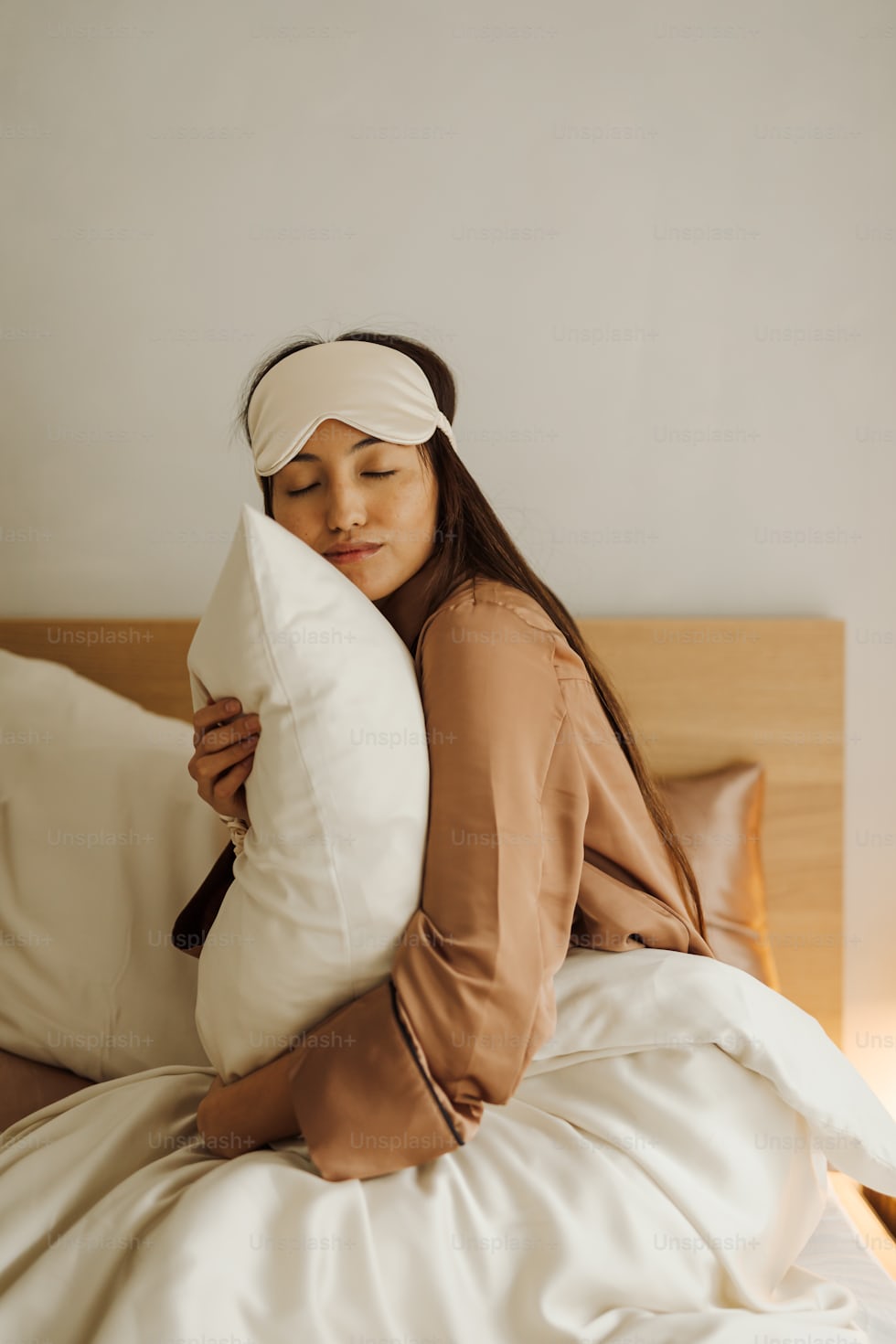
Many people invest heavily in skincare but overlook two powerful factors that shape how skin and face look every day: stress levels and sleep quality. You can use premium products, but if your nervous system stays overloaded and your sleep is inconsistent, your appearance often reflects it quickly. Dullness, puffiness, breakouts, under-eye shadows, and uneven tone can all be linked to recovery habits, not just product choice.
This does not mean skincare is useless. It means skincare works best when it supports biology that is already functioning well. Sleep and stress regulation are the foundation that helps every serum, moisturizer, and treatment perform better.
Why stress shows up on your face
When stress becomes chronic, cortisol patterns can stay elevated longer than normal. Over time, this can influence oil production, inflammation, and skin barrier resilience. For some people, this shows up as breakouts. For others, it appears as redness, sensitivity, dryness, or delayed healing after irritation.
Stress also changes behavior. You may sleep later, drink less water, snack more on sugar, skip movement, or touch your face more often. These secondary habits often amplify visible skin issues. So the stress-skin connection is both biological and behavioral.
The sleep-beauty connection is real
Sleep is when the body runs much of its repair work. Skin hydration balance, barrier recovery, and inflammatory regulation all depend on this cycle. When sleep is short or fragmented, the skin can look tired, rough, and less even in tone within days. Eye area changes are usually the first visible sign: puffiness, shadows, and a less rested expression.
Collagen dynamics are also influenced by chronic sleep deprivation and stress exposure over time. While no single bad night ruins your skin, repeated poor sleep can gradually reduce how fresh and resilient your skin appears.
Under-eye darkness and puffiness
The under-eye area has thinner skin and tends to show circulation and fluid changes quickly. Poor sleep timing, high sodium dinners, alcohol, and stress-related inflammation can worsen morning puffiness and dark circles. Genetics still matter, but lifestyle can noticeably increase or reduce the effect.
A stable sleep window, evening hydration balance, and gentle cooling in the morning often improve this area more than layering many products at once.
Stress acne and flare-up cycles
Stress does not create acne from nothing, but it can intensify existing tendencies. Elevated stress can increase oil output and inflammatory signaling, making breakouts feel more frequent and slower to calm. Then visible breakouts create more stress, and the cycle repeats.
Breaking that loop requires two tracks: targeted acne-friendly skincare and stress-load reduction. If you only do one, progress is usually slower and less stable.
How sleep loss affects skin barrier function
Your skin barrier controls moisture retention and protection against external irritants. Inconsistent sleep can weaken this function, leading to increased transepidermal water loss and higher sensitivity. This often feels like tightness, stinging, or unpredictable reactions to products that were previously tolerated.
People often misread this as “needing stronger actives,” then over-exfoliate and worsen irritation. In many cases, the better move is barrier repair and sleep consistency first.
Hair, facial tension, and overall appearance
Stress and poor sleep affect more than skin. Hair shedding may increase under prolonged stress exposure. Facial muscles can stay tense, making expression lines appear stronger. Jaw clenching, headaches, and poor posture can also change how rested or fatigued you look, even when skin itself is relatively clear.
This is why appearance changes are often whole-system signals, not isolated cosmetic problems.
The hidden role of evening habits
Late-night scrolling, bright screens, heavy meals, and irregular bedtime patterns can increase sleep latency and reduce sleep depth. Even if total hours look acceptable, sleep quality may still be poor. That can leave you waking up unrefreshed with visible signs of fatigue despite “enough time in bed.”
A strong evening wind-down routine is often more effective for appearance than adding another skincare step. Calm nervous system inputs support better overnight recovery.
Practical routine to improve appearance from inside out
- Sleep timing: keep a consistent bedtime and wake time, including weekends when possible.
- Stress downshift: use 5 to 10 minutes of breathing, stretching, or journaling before bed.
- Barrier-focused skincare: gentle cleanse, hydration, and moisturizer rather than aggressive layering.
- Morning light exposure: helps regulate circadian rhythm and supports evening sleep onset.
- Caffeine cutoff: avoid late-day stimulants that delay deep sleep.
These habits are simple, but they create cumulative visual changes over a few weeks.
Common mistakes people make
One major mistake is trying to solve stress-induced skin changes with stronger active products only. Another is changing routines every week, which makes it hard to identify what helps. A third is underestimating recovery debt: expecting one good night to undo months of poor sleep.
Appearance responds to pattern, not isolated effort. Consistency beats intensity in both stress management and skincare.
When to seek professional help
If stress feels unmanageable, sleep problems are persistent, or skin flares are severe, professional support is appropriate. A dermatologist can help with skin-specific treatment, while sleep and mental-health professionals can address deeper recovery barriers. You do not have to solve everything alone.
Getting support early often shortens the time to visible improvement and reduces trial-and-error frustration.
Bottom line
Stress and sleep affect your appearance because they directly influence inflammation, barrier function, circulation, and daily behavior. Skincare is important, but it cannot fully compensate for chronic recovery gaps. If you want brighter, calmer, more resilient skin, pair your products with sleep consistency and stress regulation habits. That combination creates results that look better and last longer.