Many skincare routines fail for one simple reason: they stay the same all year. Your skin does not. Weather, humidity, UV intensity, indoor heating, air conditioning, and daily habits shift by season, and those changes affect hydration, oil production, sensitivity, and barrier stability.
Building a skincare routine for every season does not mean replacing everything every few months. It means keeping a stable core and adjusting selected products based on climate and skin response.
Start with a stable year-round core
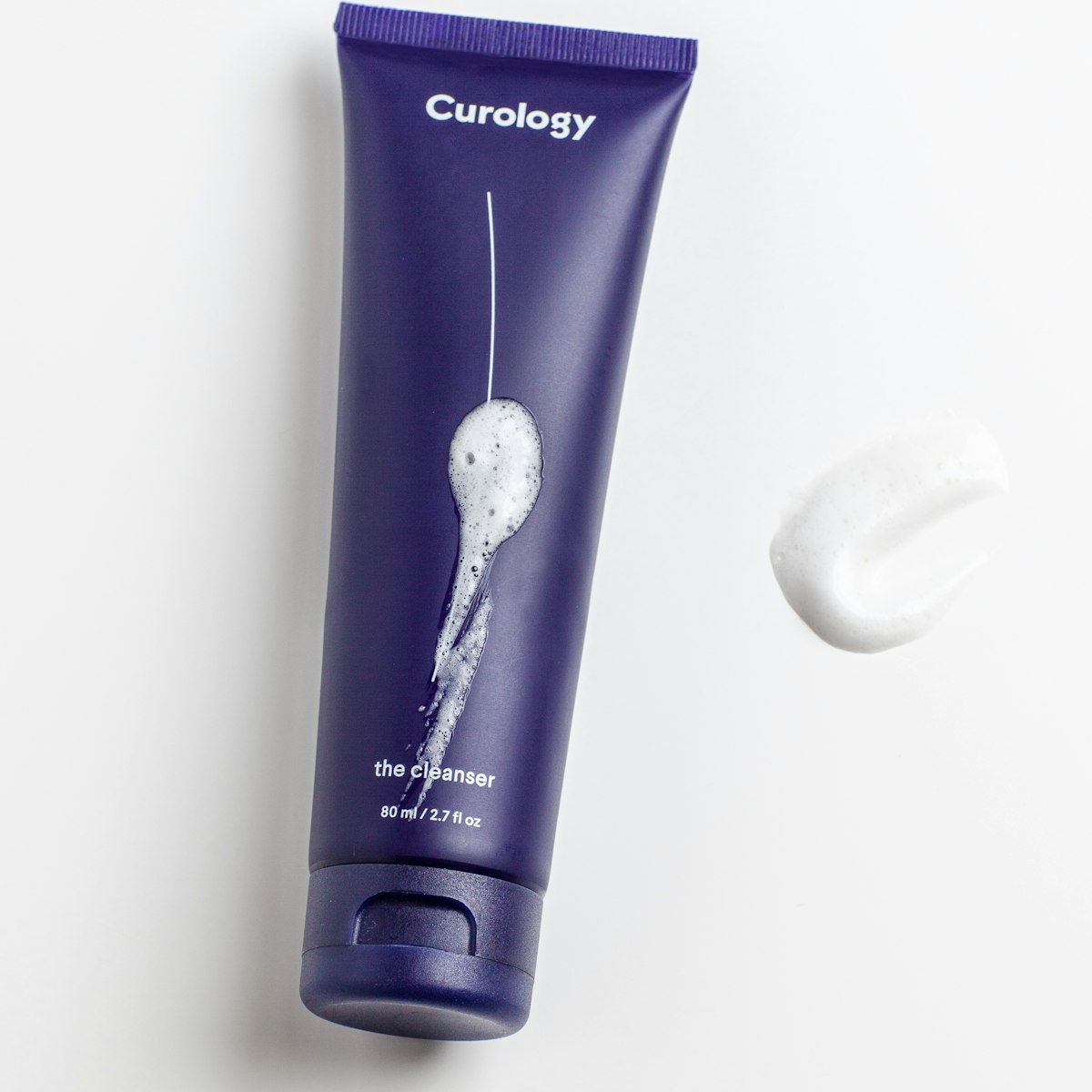
Before seasonal adjustments, keep a reliable base routine: gentle cleanser, moisturizer, and daily sunscreen. This foundation protects barrier function and reduces routine chaos. Seasonal changes should modify texture, frequency, or treatment intensity, not rebuild your routine from zero each quarter.
A stable core makes it easier to identify what your skin needs as conditions change.
How weather changes your skin behavior
Cold, dry air and indoor heating can increase transepidermal water loss, leading to tightness and flaking. Hot, humid weather often increases sweat and oil output, raising risk of congestion. Transition seasons can trigger sensitivity because skin is adapting to shifting humidity and temperature swings.
Understanding these patterns helps you respond proactively instead of chasing flare-ups after they happen.
Winter routine: protect and seal the barrier
In winter, prioritize hydration retention and irritation prevention. Switch to gentler cleansers if skin feels tight. Use richer moisturizers with barrier-supportive ingredients such as ceramides, glycerin, and squalane. Limit harsh exfoliation and reduce strong active frequency if irritation rises.
Humidifiers can also help in very dry indoor environments. If skin stings after cleansing, barrier support needs to come first before adding treatments.
Winter checklist
- Cleanser: low-foam, non-stripping formula.
- Moisturizer: richer texture, barrier-focused ingredients.
- Actives: reduce frequency if sensitivity appears.
- SPF: continue daily even on cloudy days.
Winter success is usually about comfort and consistency, not aggressive correction.
Spring routine: reset gradually
Spring is a transition period. Skin may still carry winter dryness while oil activity begins rising. Instead of immediate heavy changes, adjust gradually. You can move to lighter moisturizers if needed and reintroduce actives more consistently as tolerance improves.
This is also a good time to review product expiration and simplify routines before summer heat increases.
Summer routine: lighten layers, strengthen sun protection
Summer skincare should focus on UV protection, sweat management, and pore-friendly textures. Use lightweight hydration, oil-balanced formulas, and sunscreen suited to reapplication. Increased sun exposure means SPF discipline is even more important if you use retinoids or pigment-targeting products.
Double cleansing in the evening can help remove sunscreen, sweat, and pollution without over-scrubbing.
Summer checklist
- Cleanser: gentle but effective evening cleanse.
- Moisturizer: gel-cream or lighter lotion texture.
- SPF: high-protection broad-spectrum and regular reapplication.
- Treatment pacing: avoid over-exfoliating sun-exposed skin.
In summer, prevention and balance matter more than stacking actives.
Autumn routine: rebuild hydration and repair
As temperatures drop, skin often begins losing moisture again. Autumn is the ideal time to increase hydration support and gradually shift toward richer textures. If summer sun exposure increased sensitivity or pigmentation, autumn can be a good period for careful treatment reintroduction.
Do this slowly. Sudden active-heavy routines after summer can trigger irritation instead of improvement.
How to rotate actives safely across seasons
Actives such as retinoids, AHAs, BHAs, and vitamin C can stay in your routine year-round, but frequency may change. In high-sun or high-sensitivity periods, reduce intensity and prioritize barrier maintenance. In calmer seasons, you can often increase treatment consistency.
The key is skin feedback: persistent redness, stinging, or peeling means reduce active load and rebuild comfort first.
Signs your routine is mismatched to the season
- Winter mismatch: tightness, flaking, stinging, dull rough texture.
- Summer mismatch: excess shine, clogged pores, frequent breakouts.
- Transition mismatch: unpredictable sensitivity and patchy dryness.
These signals indicate you likely need texture and frequency adjustments, not a complete product overhaul.
Morning and evening framework for all seasons
Morning
- Cleanse lightly based on skin needs.
- Hydrate with season-appropriate texture.
- Protect with broad-spectrum sunscreen every day.
Evening
- Cleanse thoroughly to remove sunscreen and buildup.
- Treat with one targeted active as tolerated.
- Moisturize to restore overnight barrier support.
This structure stays stable; seasonal changes happen inside each step.
Common seasonal skincare mistakes
- Changing everything at once: causes confusion and irritation.
- Using winter-rich products in humid summer: may increase congestion.
- Keeping summer-light hydration in dry winter: worsens barrier loss.
- Ignoring SPF in cooler months: allows cumulative UV damage.
- Over-exfoliating during transitions: increases sensitivity flare-ups.
Most problems come from overreaction, not lack of products.
How to personalize seasonal changes
Track your skin monthly: dryness level, oiliness, sensitivity, breakouts, and environmental factors. This helps you identify your own seasonal pattern rather than copying generic routines. Climate, lifestyle, and skin type all influence what “seasonal” means for you.
Personal data usually outperforms trend-based product switching.
Bottom line
Building a skincare routine for every season means keeping a stable core and making smart, gradual adjustments as weather and skin behavior change. In dry months, protect and replenish the barrier. In hot months, lighten textures and strengthen sun strategy. In transition months, move slowly and watch tolerance.
When your routine adapts with the seasons, skin tends to stay calmer, clearer, and more resilient all year.