Clear skin is often treated as a product problem, but what you eat plays a bigger role than many people realize. Topical skincare can help with texture, hydration, and active treatment, but skin is still a living organ influenced by inflammation, blood sugar patterns, nutrient status, and hydration from within. That means your plate affects your face.
No single food creates perfect skin overnight. But consistent eating patterns can reduce breakouts, improve tone stability, support healing, and help skin look healthier over time. The goal is not a strict “beauty diet.” The goal is building a sustainable way of eating that supports skin biology every day.
How food affects skin in practical terms
Skin quality is influenced by oxidative stress, hormone balance, glycemic stability, gut health, and barrier function. Foods rich in antioxidants and essential fats help manage inflammation and support repair pathways. Fiber and balanced meals help stabilize blood sugar, which can reduce acne-triggering swings in some people.
When nutrition is inconsistent, skin often reflects it through dullness, delayed healing, increased oil imbalance, or more reactive flare-ups. This is why diet matters even when your skincare routine is strong.
1) Fatty fish for omega-3 support
Salmon, sardines, mackerel, and similar fish provide omega-3 fatty acids that help regulate inflammatory pathways and support skin barrier function. For many people, adequate omega-3 intake is linked to calmer-looking skin and improved moisture retention.
If you do not eat fish, discuss alternative omega-3 sources with a professional to ensure sufficient intake.
2) Berries for antioxidant protection
Blueberries, strawberries, raspberries, and blackberries provide vitamin C and polyphenols that help defend against oxidative stress. Oxidative stress can contribute to uneven tone, dullness, and accelerated visible aging, especially with UV exposure and high stress load.
Regular berry intake is a simple way to support skin resilience without overcomplicating meals.
3) Colorful vegetables for micronutrient density
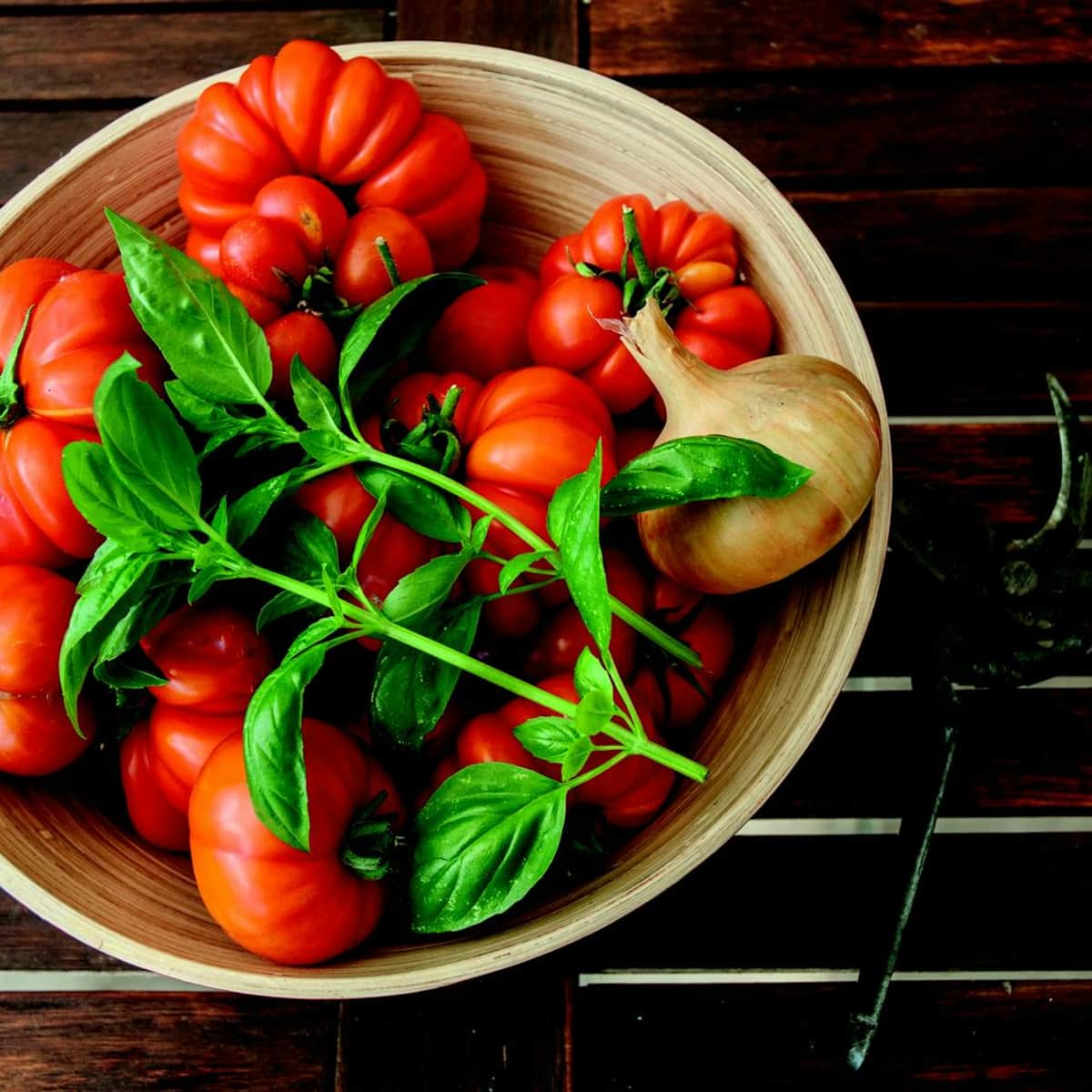
Leafy greens, carrots, bell peppers, tomatoes, and cruciferous vegetables provide carotenoids, vitamin C, and multiple plant compounds that support repair and barrier integrity. Diversity matters: the wider the color range, the broader the nutrient profile.
Think in terms of daily color coverage rather than one “superfood.” Skin benefits most from consistent variety.
4) Nuts and seeds for vitamin E and healthy fats
Almonds, walnuts, sunflower seeds, chia, and flax can support skin through vitamin E, healthy fats, and minerals. Vitamin E contributes to antioxidant defense, and healthy fats support membrane function and moisture balance.
Portion control still matters, but regular moderate intake can be beneficial for skin and overall health.
5) Fermented foods for gut-skin connection
Yogurt with live cultures, kefir, kimchi, and other fermented foods may support gut microbiome balance. The gut-skin connection is increasingly recognized: digestive imbalance can correlate with inflammatory skin patterns in some individuals.
Fermented foods are not a cure, but they can be a useful part of a broader skin-supportive diet.
6) High-fiber carbohydrates for blood sugar stability
Oats, legumes, quinoa, sweet potatoes, and whole grains generally produce steadier glucose patterns than highly refined carbohydrates. Stable blood sugar can reduce hormonal fluctuations linked to acne in susceptible individuals.
This does not mean zero carbs. It means smarter carb quality and meal structure.
7) Protein-rich foods for repair and collagen support
Protein provides amino acids needed for tissue repair and structural maintenance. Skin renewal processes depend on adequate protein intake, especially during stress, heavy training, or low-calorie periods.
Include quality protein in each meal to support healing and keep energy more stable across the day.
8) Tomatoes and lycopene-rich foods
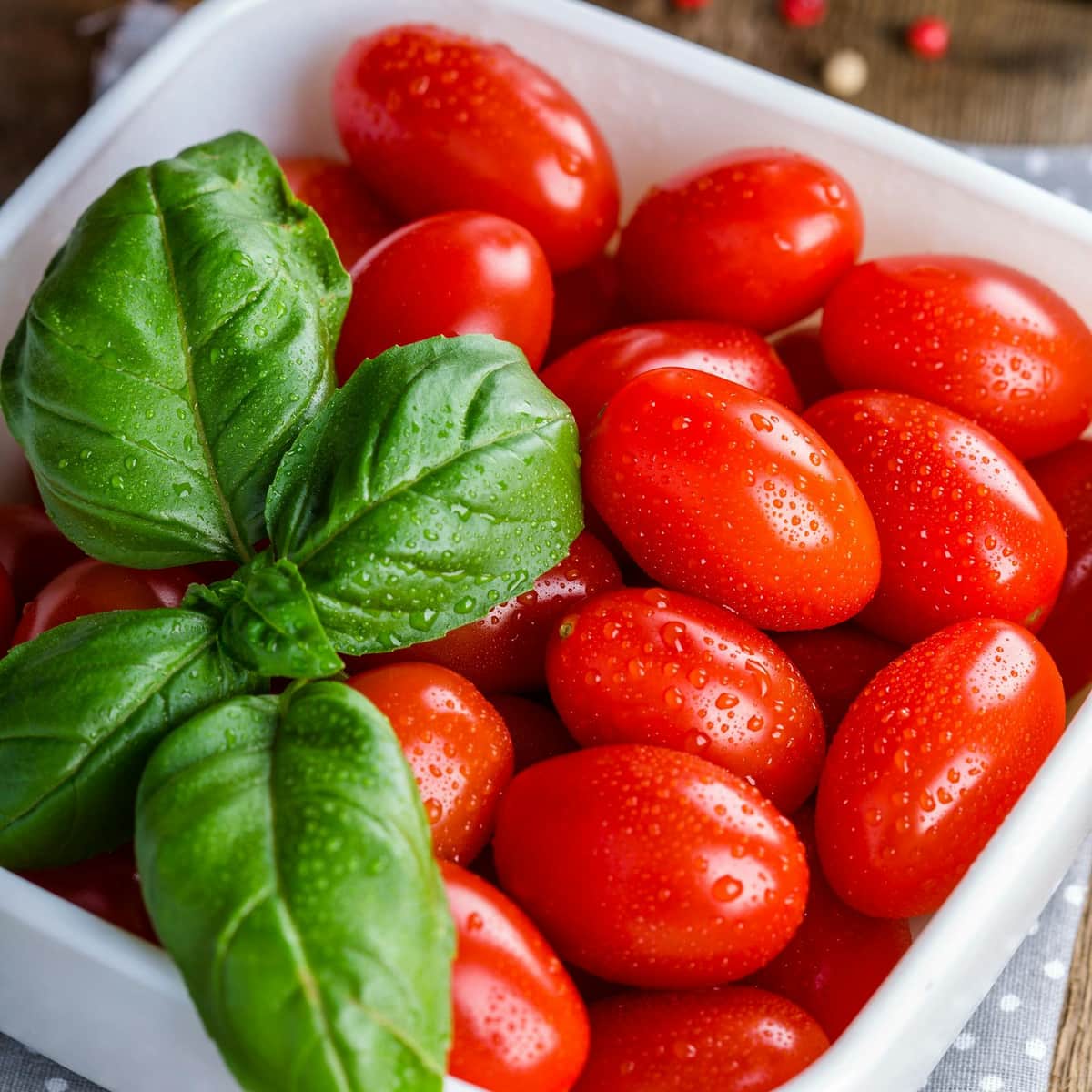
Tomatoes are rich in lycopene, a carotenoid associated with antioxidant support. While no food replaces sunscreen, tomato-rich diets may offer additional support against visible environmental stress effects when paired with proper skin protection habits.
Cooked tomato forms can improve lycopene availability, making them a practical addition to meals.
9) Green tea and polyphenol support
Green tea contains polyphenols that may help with inflammatory balance and oxidative defense. It can be a useful hydration-adjacent habit, especially when replacing sugary beverages.
Keep expectations realistic: it is supportive, not a standalone treatment.
10) Water-rich foods and hydration habits
Clear skin is easier to maintain when hydration is consistent. Along with water intake, foods like cucumber, citrus, watermelon, and high-water vegetables help support daily fluid balance. Dehydration does not directly cause acne, but it can worsen dullness and barrier discomfort.
Hydration works best as a daily habit, not a one-day fix.
Foods that may trigger issues for some people
There is no universal “bad skin food,” but some people notice flare patterns with high-sugar intake, heavily processed foods, frequent ultra-refined carbs, or specific dairy patterns. Individual response varies widely. The most useful method is tracking your own trends instead of following extreme internet rules.
Elimination should be careful and evidence-aware. Over-restriction can create stress and nutrient imbalance that also affects skin.
A practical skin-supportive meal pattern
- Breakfast: protein plus fiber (e.g., yogurt, oats, berries, seeds).
- Lunch: colorful vegetables, quality protein, whole-food carbs.
- Dinner: omega-3 source or legumes, greens, and healthy fats.
- Snacks: fruit, nuts, or fermented options based on tolerance.
- Hydration: steady water intake through the day.
This pattern is flexible, realistic, and more sustainable than strict short-term “skin diets.”
Nutrition plus skincare works best together
Diet alone cannot solve every skin concern, just like products alone cannot override poor sleep, high stress, and unstable eating patterns. The strongest results usually come from combining barrier-friendly skincare, daily sunscreen, stress management, sleep regularity, and nutrition consistency.
When these systems align, skin typically becomes more predictable and resilient.
How long before diet changes show on skin?
Some people notice changes in comfort and oil balance within a few weeks, while clearer pattern shifts often take 6 to 12 weeks depending on baseline inflammation, routine consistency, and hormonal factors. Skin turnover is gradual, so patience matters.
Look for trend improvement, not instant perfection.
Bottom line
The best foods for clear and healthy skin are those that reduce inflammatory load, support barrier function, stabilize blood sugar, and provide antioxidant and repair nutrients consistently. Focus on fatty fish or omega-3 alternatives, colorful produce, berries, nuts and seeds, quality protein, fermented foods, and hydration habits.
Skin-friendly eating is not about restriction. It is about repeating supportive choices long enough for your skin to reflect them.