When people describe skin as looking “young,” they often mean it looks smooth, bouncy, and naturally radiant. Hydration is one of the biggest reasons that appearance happens. Even without dramatic anti-aging products, well-hydrated skin often looks fresher and healthier than dehydrated skin.
This is not just a cosmetic illusion. Hydration affects how the skin barrier functions, how light reflects off the surface, and how fine lines appear throughout the day. That is why hydration-focused routines are a core recommendation in dermatology.
Hydration vs oil: an important distinction
Many people confuse hydration with oiliness. Hydration refers to water content in the skin. Oil refers to sebum production. You can have oily but dehydrated skin, or dry but well-hydrated skin, depending on barrier condition and product support.
When skin lacks water, texture often looks rough and dull. Fine lines can appear more visible because the surface is less plump. Improving hydration does not erase natural lines, but it can soften their appearance significantly.
Why hydrated skin reflects light better
Hydrated skin typically has a smoother surface and more even texture, which helps light reflect in a way that looks bright and healthy. Dehydrated skin scatters light unevenly, creating a tired or shadowed look even when skin tone is otherwise normal.
This is one reason people often describe hydrated skin as “glowy” without makeup. The visual difference comes from surface quality as much as from color or pigment.
Barrier function and youthful appearance
The skin barrier helps retain moisture and protect against external irritants. When the barrier is strong, skin feels comfortable and looks balanced. When it is compromised, water loss increases, sensitivity rises, and inflammation may become more visible.
A weak barrier can make skin appear older faster through dryness lines, roughness, and recurrent irritation. Supporting the barrier is one of the most reliable ways to maintain naturally youthful-looking skin.
Fine lines often look worse when skin is dehydrated
Temporary dehydration can exaggerate superficial lines around the eyes, mouth, and forehead. After proper hydration and barrier support, many of these lines appear softer. This does not mean hydration replaces long-term collagen support strategies, but it does mean daily moisture status strongly affects how skin looks in real time.
For people who feel they “aged overnight,” dehydration is often part of the picture.
Daily habits that improve skin hydration
1) Cleanse gently
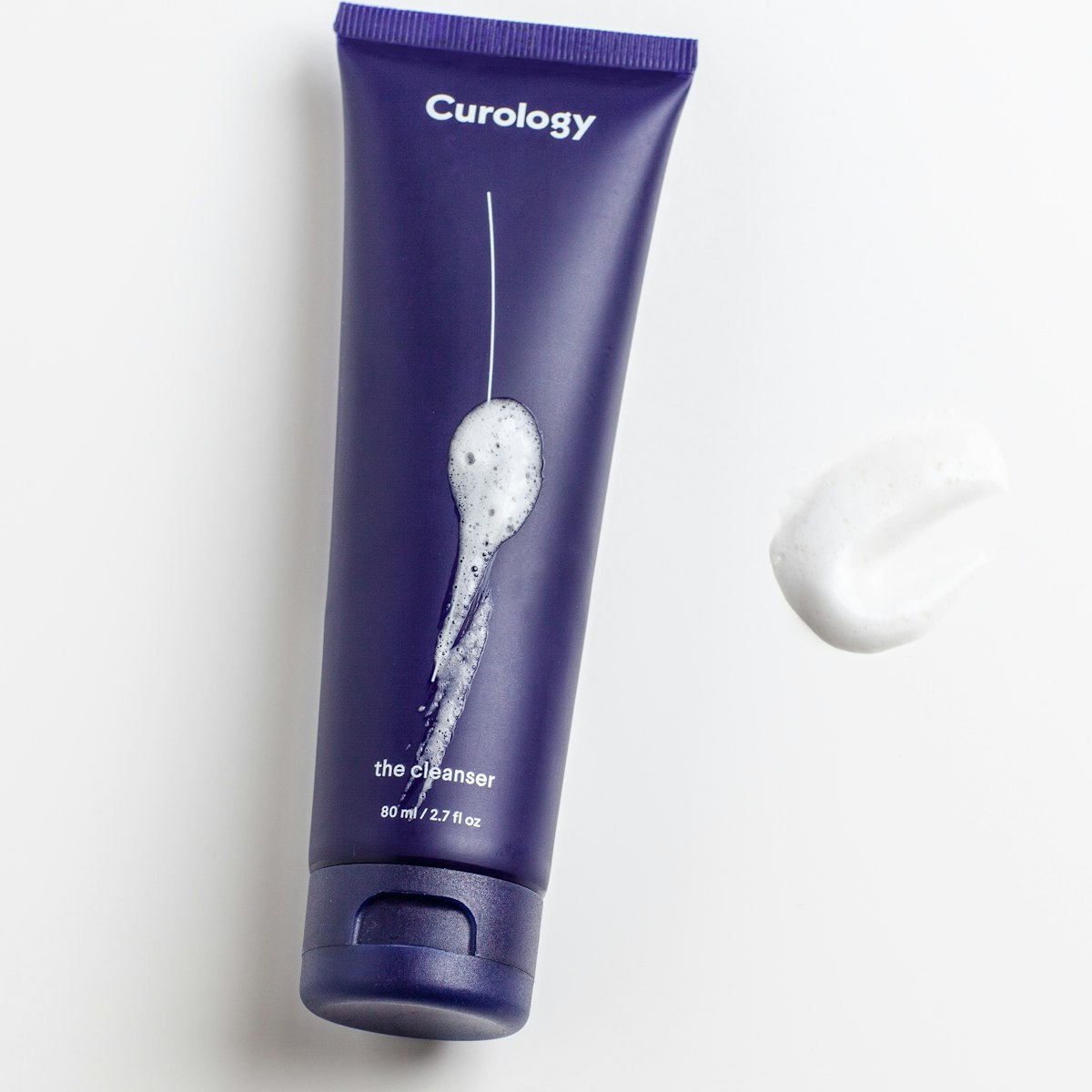
Harsh cleansing strips protective lipids and worsens water loss. Use a mild cleanser that leaves skin clean but not tight.
2) Moisturize on damp skin
Applying moisturizer shortly after cleansing helps trap water and improve comfort. This is a simple high-impact step.
3) Use humectants and barrier lipids
Ingredients like glycerin and hyaluronic acid draw moisture, while ceramides and squalane help retain it. The combination matters.
4) Protect with daily sunscreen
UV exposure contributes to barrier damage and dryness over time. Sun protection supports long-term hydration and texture quality.
5) Avoid over-exfoliation
Too much exfoliation weakens the barrier and increases transepidermal water loss. Balance treatment with recovery days.
Lifestyle factors that influence skin moisture
Topical products are important, but hydration appearance is also shaped by sleep quality, indoor humidity, stress load, and general fluid balance. Late nights, dry indoor air, and chronic stress can reduce skin comfort even with good products.
A hydration-friendly lifestyle supports better skincare results and reduces the need for aggressive correction.
Seasonal hydration adjustments
Skin usually needs more occlusive support in cold, dry seasons and lighter textures in humid months. Keeping one static moisturizer all year can lead to imbalance. Adjusting texture seasonally helps maintain consistent comfort and appearance.
The best routine is flexible, not rigid.
Common hydration mistakes that age the look of skin
- Using strong actives daily without barrier support.
- Skipping moisturizer because skin feels oily.
- Relying on mists without sealing moisture.
- Ignoring sunscreen while using exfoliants or retinoids.
- Changing products too often and irritating the barrier.
Most hydration setbacks come from routine imbalance, not from lack of expensive products.
How long until hydration improvements are visible?
Some changes, like reduced tightness and better glow, can appear within days. Texture and consistency improvements often become clearer over several weeks. Long-term youthful appearance depends on maintaining these habits consistently, not only during flare-ups.
Skin rewards routine stability more than occasional intensive treatment.
When to seek professional advice
If skin remains persistently dry, itchy, inflamed, or reactive despite a gentle routine, consult a dermatologist. Chronic dehydration signs may overlap with eczema, rosacea, contact irritation, or other conditions needing specific treatment.
Early diagnosis can prevent prolonged barrier damage and improve comfort faster.
Bottom line
Hydrated skin looks younger naturally because moisture balance improves surface smoothness, light reflection, and barrier resilience. This creates a fresher, healthier appearance without relying on extreme routines.
Focus on gentle cleansing, consistent moisturization, daily sunscreen, and barrier-friendly habits. Over time, these basics produce the kind of natural youthful look many people are chasing.