Smoothies are often seen as quick breakfast shortcuts, but they can be much more than fruit and ice. A well-designed smoothie can deliver protein, fiber, healthy fats, hydration, and micronutrients in one convenient meal. The problem is that many common smoothie recipes are too sugar-heavy and too low in structure, which leads to fast energy spikes and crashes.
Creative smoothie building solves that. By combining smart ingredient layers, you can create drinks that taste amazing, support satiety, and fit goals like better focus, workout recovery, or balanced weight management.
What makes a smoothie truly nutrient-dense
A nutrient-packed smoothie usually includes five components: a liquid base, a protein source, a fiber source, a healthy fat source, and micronutrient-rich flavor boosters. Leaving out one or two often creates a smoothie that tastes good but does not keep you full.
Think of smoothies as blended meals, not liquid desserts. That mindset instantly improves recipe quality and long-term consistency.
Base liquids that support better balance
Your liquid base affects calories, texture, and digestion speed. Unsweetened dairy or fortified plant milk adds more nutritional value than fruit juice alone. Coconut water can help post-workout hydration, while plain water keeps calories lower when other ingredients are dense.
If your smoothie includes sweet fruit, avoid sugary juices unless you specifically need faster carbs for endurance training.
Protein choices for fullness and recovery
Protein is the difference between a smoothie that satisfies for hours and one that leaves you hungry quickly. Strong options include Greek yogurt, cottage cheese, tofu, protein powder, kefir, or milk. Each creates different textures, so choose based on flavor profile and dietary preference.
A practical target for meal smoothies is usually 20 to 35 grams of protein, depending on your needs and activity level.
Fiber and healthy fats for steady energy
Fiber slows absorption and supports gut health. Great smoothie fiber sources include berries, oats, chia seeds, ground flax, and spinach. Healthy fats add creaminess and help fat-soluble nutrient absorption. Try avocado, almond butter, peanut butter, tahini, or seeds.
When fiber and fat are both present, smoothies become more stable in energy impact and less likely to trigger mid-morning cravings.

Recipe 1: Berry protein recovery smoothie
Blend frozen mixed berries, Greek yogurt, milk, chia seeds, and a small scoop of vanilla protein. Add cinnamon and a pinch of salt to round flavor. This recipe is rich in antioxidants, protein, and fiber, making it ideal after training or as a high-quality breakfast.
If you want extra thickness, add half a frozen banana. If you want lower sugar, reduce banana and increase berries.
Recipe 2: Green tropical energy smoothie
Use spinach, frozen pineapple, cucumber, kefir, and hemp seeds. Add ginger and lime juice for brightness. This version tastes fresh and light while still delivering micronutrients and gut-supportive ingredients. It works well when you want hydration and nutrients without a heavy texture.
For more protein, blend in plain yogurt or a neutral protein powder.
Recipe 3: Chocolate oat smoothie bowl
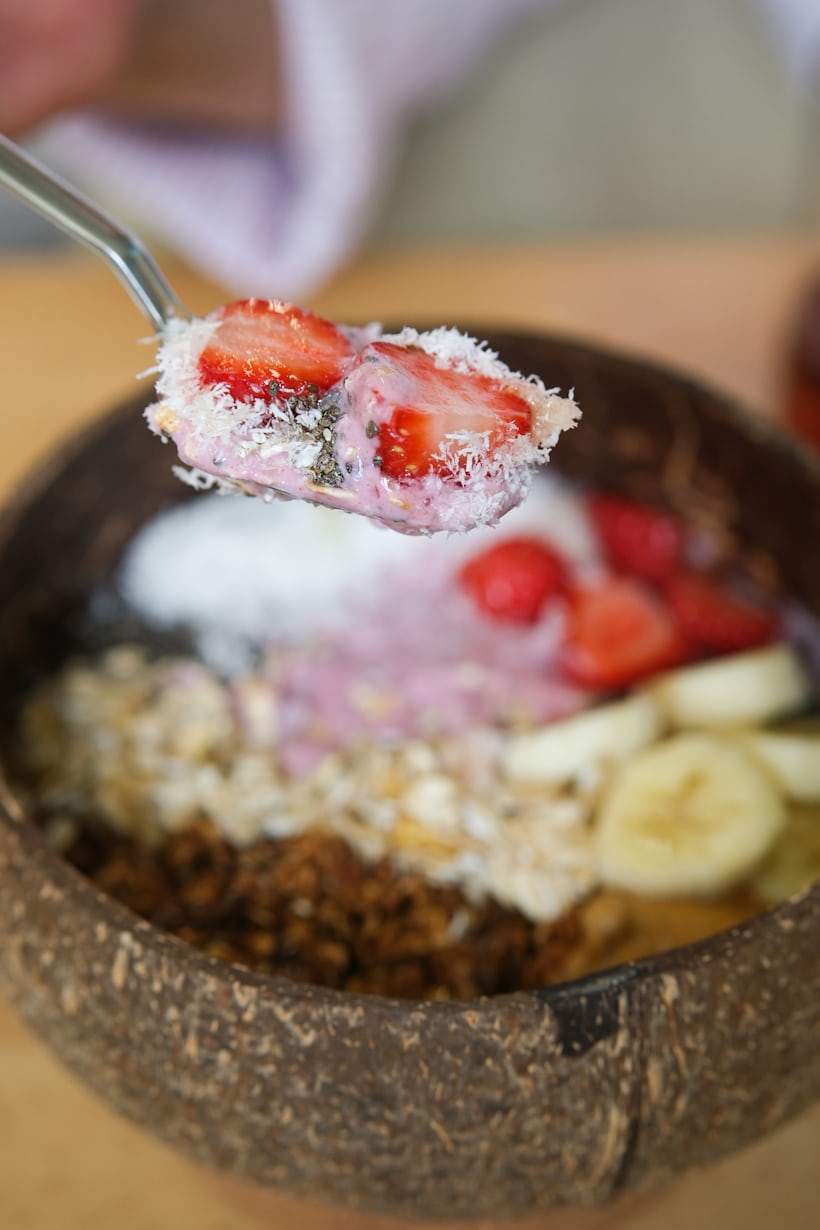
Blend frozen banana, unsweetened cocoa, oats, milk, and peanut butter until thick. Pour into a bowl and top with sliced berries, seeds, and a small amount of granola. This feels like dessert but has better macro balance than most sweet breakfast options.
Use almond butter and cacao nibs for a deeper flavor variation without extra sugar.
Recipe 4: Coffee almond breakfast smoothie
Combine chilled coffee, milk, vanilla protein, almond butter, oats, and a few ice cubes. This is perfect for busy mornings when you want caffeine and breakfast in one cup. It is especially useful for people who skip breakfast because of time pressure.
Add cinnamon or cardamom for more aroma and less need for sweeteners.
Recipe 5: Gut-friendly mango lassi smoothie
Blend plain yogurt, frozen mango, turmeric, ginger, and a touch of black pepper. This smoothie provides probiotics, anti-inflammatory spices, and natural sweetness from fruit. Keep portions balanced by adding chia or protein if using as a full meal.
For a lighter version, mix yogurt with water and reduce mango volume slightly.
How to customize smoothies by goal
- For fat loss support: increase protein and fiber, moderate high-sugar fruits.
- For muscle gain: add higher protein plus oats, nut butter, or extra carbs.
- For recovery days: use hydration-focused bases and anti-inflammatory fruits/spices.
- For digestive comfort: keep ingredients simple and avoid overloading raw greens.
Goal-based customization keeps smoothies practical rather than generic.
Common smoothie mistakes to avoid
- Too much fruit, no protein: causes fast hunger rebound.
- Liquid calories overload: large portions without structure increase daily intake unnoticed.
- No texture balance: watery smoothies feel unsatisfying.
- Random ingredient stacking: flavor clashes reduce repeatability.
- Ignoring prep: no ingredients ready means consistency drops.
Fixing these basics makes smoothies easier to repeat and more effective.
Prep strategies for busy weeks
Build freezer smoothie packs with pre-portioned fruit, greens, and dry add-ins. Store protein and liquids separately for blending day. Keep a short list of three favorite formulas so you can rotate flavors without overthinking.
This approach reduces morning friction and helps you avoid low-quality convenience breakfasts.
Bottom line
Creative smoothie recipes packed with nutrients are one of the most efficient ways to improve daily nutrition when they are built with structure. Combine protein, fiber, healthy fats, and smart flavor layers to create smoothies that satisfy, energize, and taste great. With a few repeatable formulas, smoothies can move from occasional snacks to reliable nutrition anchors in your routine.