Comfort food has a reputation for being heavy, creamy, and impossible to fit into healthy eating goals. But that idea is outdated. You do not have to choose between nutrition and satisfaction. With the right ingredients and cooking strategy, comfort meals can stay cozy, filling, and deeply flavorful while supporting energy, digestion, and long-term health.
The key is not removing comfort. The key is rebuilding it. Keep the warmth, texture, and emotional familiarity, then improve the structure of the meal: better protein quality, smarter carbs, more fiber, and balanced fats.
What makes a comfort food “healthy” without losing flavor
A healthy comfort meal still needs three things: rich flavor, satisfying texture, and fullness that lasts. If a recipe is technically healthy but leaves you hungry and disappointed, it will not be sustainable. Great healthy comfort food uses layered seasoning, proper cooking techniques, and ingredient swaps that preserve mouthfeel.
Think of it as flavor-first nutrition. Build taste first, then optimize nutrition around it. This is why well-designed healthy recipes feel indulgent even when calorie density is lower.
Smart ingredient swaps that actually work
Not all swaps are useful. Some remove flavor and make people quit the recipe forever. Effective swaps keep the spirit of the original dish:
- Cream base: use blended white beans, Greek yogurt, or cauliflower puree for body.
- Pasta base: mix regular pasta with high-protein or legume pasta instead of replacing fully.
- Frying: oven-roast or air-fry with seasoned coating for crunch.
- Cheese load: reduce volume but choose stronger-flavor cheeses.
- Refined carbs: combine whole grains with comforting textures like mashed potatoes or noodles.
These changes lower nutritional stress without sacrificing the dish identity.
Healthy comfort breakfast ideas
Start the day with warm options that feel cozy but balanced. Protein oats with cinnamon, banana, and nuts deliver comfort plus steady energy. Savory egg-and-vegetable breakfast bowls with roasted potatoes feel hearty without needing excess oil. Greek yogurt pancakes can provide familiar weekend comfort with higher protein than classic recipes.
The goal is to avoid the breakfast crash. Comfort in the morning should support focus, not create fatigue by mid-morning.
Better-for-you lunch bowls that feel indulgent
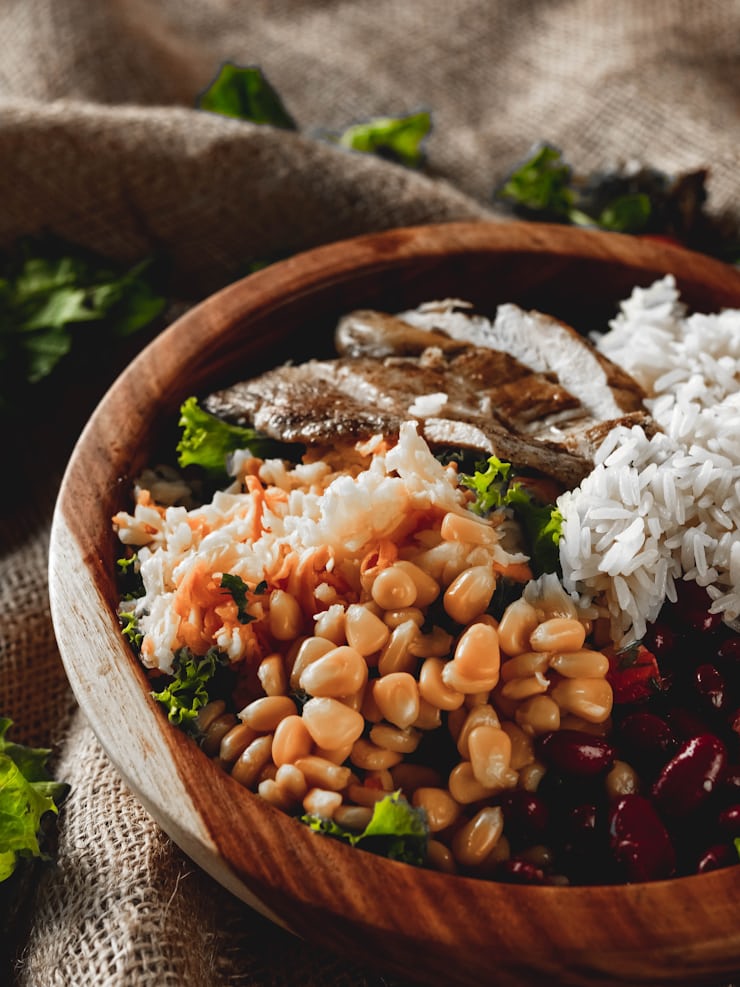
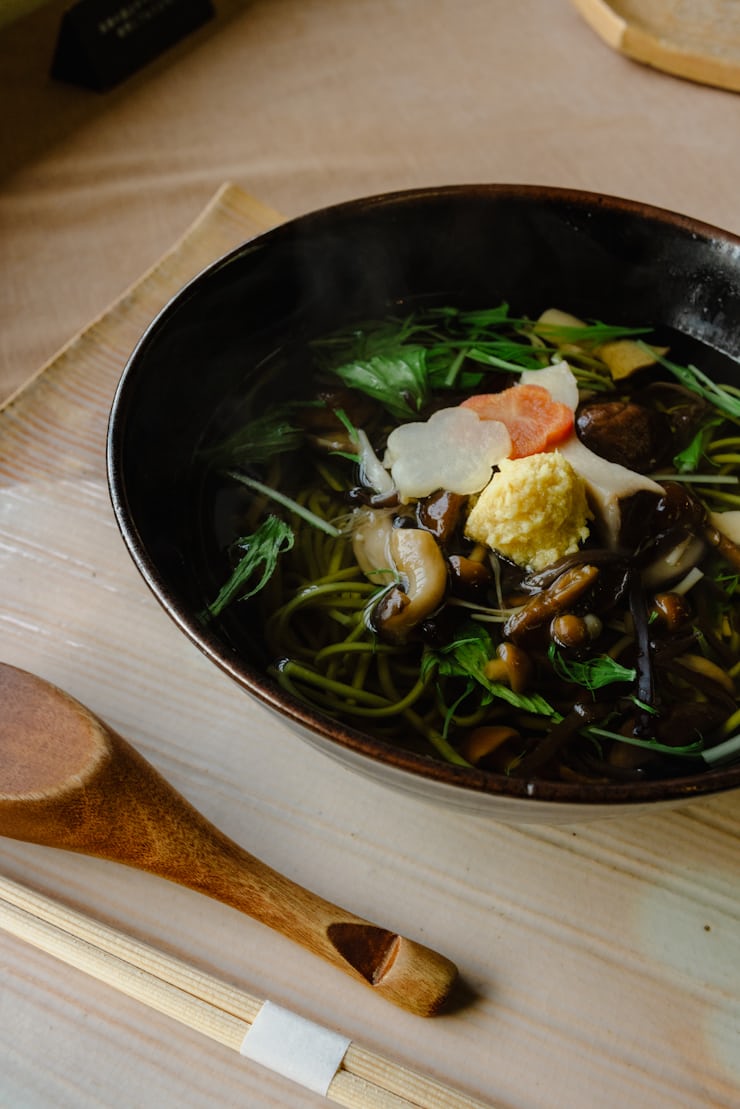
Lunch comfort bowls are one of the easiest wins. Use a template: lean protein, complex carb, colorful vegetables, and a sauce with acidity and umami. Chicken-rice-bean bowls, turkey chili bowls, and soba-mushroom soup bowls can all feel deeply comforting while still supporting performance through the afternoon.
Sauce and seasoning are the difference-makers. A balanced bowl with weak seasoning tastes like punishment. The same bowl with proper spice, salt balance, citrus, and herbs tastes restaurant-level.
Dinner comfort meals that do not feel “diet”
Dinner is where comfort cravings usually peak, especially after stressful days. Instead of resisting cravings completely, plan healthier comfort classics: baked meatballs with tomato sauce, high-protein mac and cheese, roasted salmon with mashed sweet potato, or veggie-loaded shepherd's pie.
These meals satisfy emotional and physical hunger better than low-volume “light” dinners that trigger late-night snacking later.
Soup and stew: the easiest comfort upgrade
Soups and stews are ideal for healthy comfort cooking because they naturally combine hydration, fiber, and satiety. Lentil soup, chicken vegetable stew, and mushroom barley soup offer warmth and density without excessive calories. They are also meal-prep friendly and often taste better the next day.
Add acid at the end (lemon, vinegar, yogurt swirl) to brighten flavor without extra fat. This small trick makes homemade soups taste more complete.
How to keep cravings under control with comfort food
Many people overeat comfort food because meals are unbalanced, not because comfort is inherently bad. If meals lack protein and fiber, cravings return quickly. A better approach is to include comfort foods inside structured plates rather than treating them as cheat meals.
For example, pair a smaller portion of creamy pasta with grilled protein and salad. You still get the comfort experience, but blood sugar and satiety are more stable afterward.
Portion strategy without feeling deprived
Portion control works better when built into plating, not forced by willpower. Use wider plates for volume-focused foods like vegetables and broth dishes, and smaller bowls for dense items like pasta or risotto. Start with protein and vegetables, then add comfort carb portions intentionally.
This method reduces mindless overeating while keeping the meal emotionally satisfying.
Weekly healthy comfort food plan idea
- Monday: turkey chili with beans and roasted vegetables.
- Tuesday: chicken and soba noodle broth bowl.
- Wednesday: baked potato topped with Greek yogurt, herbs, and tuna.
- Thursday: protein mac and cheese with side salad.
- Friday: homemade burger bowl with oven fries.
- Weekend: one favorite classic upgraded with better ingredients.
This keeps variety high and prevents all-or-nothing eating patterns.
Common mistakes to avoid
- Removing all fats: food becomes dry and unsatisfying.
- Overusing “diet” replacements: texture and flavor collapse.
- Ignoring seasoning: bland food increases craving rebound.
- Too little protein: fullness does not last.
- No meal planning: convenience foods take over on busy nights.
Fixing these basics usually improves both adherence and enjoyment quickly.
Bottom line
Healthy comfort foods that still taste amazing are absolutely possible when you focus on smart structure instead of strict restriction. Keep the cozy flavors and satisfying textures, then improve ingredient quality, protein balance, and fiber support. Comfort food should nourish both mood and body. When built well, it can do both in the same bowl.