Many people think low-sugar desserts are bland, dry, or unsatisfying. That usually happens when sugar is removed without adjusting texture, fat balance, and flavor depth. Great low-sugar desserts are not about making sweets disappear. They are about building sweetness more intelligently so you still get comfort and indulgence without the heavy sugar crash afterward.
When done right, low-sugar desserts can become repeat favorites, not just one-time “healthy experiments.” The secret is focusing on flavor architecture, not just sweetener substitution.
Why cutting sugar often ruins dessert texture
Sugar does more than sweeten. It affects moisture retention, browning, and mouthfeel. If you simply reduce sugar without replacing structure, baked goods can turn dry or flat. This is why many low-sugar recipes fail even when ingredients look healthy on paper.
To keep desserts delicious, you need texture support from ingredients like Greek yogurt, nut butters, fruit purees, oats, chia, or eggs depending on the recipe type.
Sweetness strategies that actually work
The best low-sugar approach blends natural sweetness sources instead of relying on one intense substitute. Ripe fruit, cinnamon, vanilla, cocoa, and a small measured sweetener can create satisfying dessert flavor with less total sugar. Taste perception improves when aromas and texture are strong.
A practical rule is to reduce sweetness gradually across recipes. Your palate adapts over a few weeks, and desserts start tasting naturally sweet without excess sugar load.
Low-sugar chocolate chia pudding
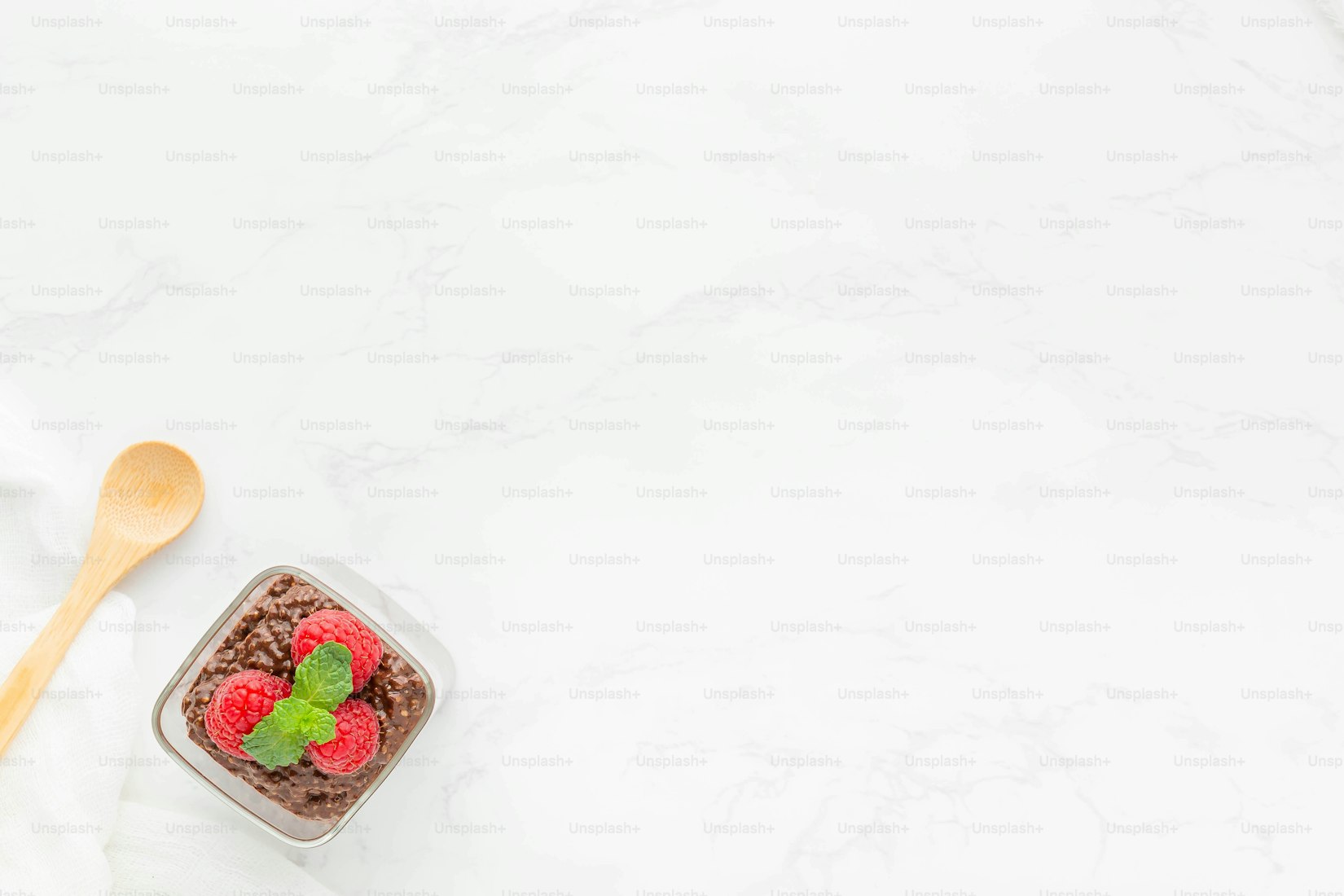
This is one of the easiest repeat desserts. Blend unsweetened cocoa, chia seeds, milk of choice, vanilla, and a small amount of sweetener. Let it set overnight and top with raspberries or strawberries. You get creamy texture, rich chocolate flavor, and fiber support that helps fullness.
Use a pinch of salt to deepen cocoa flavor. That small detail makes the dessert taste more complete even with less sugar.
Yogurt berry parfait with toasted nuts
Layer unsweetened Greek yogurt with berries, cinnamon, toasted almonds, and a light drizzle of honey if needed. The tartness of yogurt and brightness of fruit reduce the need for added sugar. Crunch from nuts improves satisfaction and makes the dessert feel more premium.
This option is especially useful when you want something sweet after dinner without feeling heavy before bed.
Baked cinnamon apples with protein crumble
Bake sliced apples with lemon, cinnamon, and a little vanilla. Top with an oat-almond crumble using minimal sweetener and a touch of butter or coconut oil. Serve warm with Greek yogurt or a spoon of ricotta. It delivers classic comfort-dessert flavor while keeping sugar moderate.
Using naturally sweet apple varieties reduces how much added sweetness you need in the crumble.
Flourless banana-oat mini muffins
Use mashed ripe bananas, eggs, oats, baking powder, and optional dark chocolate chips in small quantity. These mini muffins work as dessert or snack and are portion-friendly. Add walnuts for texture and satiety. They stay moist without needing high sugar levels.
For stronger flavor, add nutmeg and cinnamon so sweetness can remain lower without tasting plain.
Low-sugar cheesecake cups
Mix cream cheese or strained yogurt with vanilla and lemon zest, then portion into small cups over a crushed nut or oat base. Chill and top with berries. You get cheesecake vibe in a lighter format with controlled sweetness and better portion structure.
Single-serve formats help maintain balance while still feeling indulgent.
Frozen yogurt bark with fruit and seeds
Spread unsweetened or lightly sweetened yogurt on a tray, top with berries, chopped nuts, and seeds, then freeze and break into pieces. It is simple, refreshing, and easy to batch-prep. This dessert works well in warm weather and curbs processed sweet cravings.
Add a tiny amount of dark chocolate shavings for more dessert feel without large sugar impact.
How to keep low-sugar desserts satisfying
- Include fat and protein: improves texture and satiety.
- Use aromatic boosters: vanilla, cinnamon, citrus zest, cardamom.
- Add texture contrast: crunch + creaminess + fruit.
- Serve warm when possible: warmth increases comfort perception.
- Portion intentionally: small, complete servings feel more premium.
Satisfaction comes from the full sensory experience, not sweetness alone.
Common mistakes to avoid
- Overusing intense sweeteners: can leave aftertaste and reduce repeat appeal.
- Ignoring moisture balance: low-sugar bakes become dry fast.
- No acid or salt: flavor tastes flat without contrast.
- Removing all fat: texture and richness disappear.
- Huge “healthy” portions: still disrupts energy balance.
Small recipe adjustments usually matter more than extreme ingredient restrictions.
Batch prep idea for a week of desserts
Prepare two bases: chocolate chia pudding and baked fruit. Then rotate toppings daily: berries, toasted nuts, yogurt, cocoa nibs, or shredded coconut. This keeps variety high without needing new recipes each night.
Batching also reduces impulse sugar choices because dessert is already ready when cravings hit.
Bottom line
Low-sugar desserts you will want to make again are the ones that respect flavor, texture, and comfort, not just nutrition labels. Use smart sweetness, balanced ingredients, and strong aroma-building techniques to keep desserts exciting and satisfying. You do not need extreme restriction to eat better. You need better dessert design that still feels like a treat.