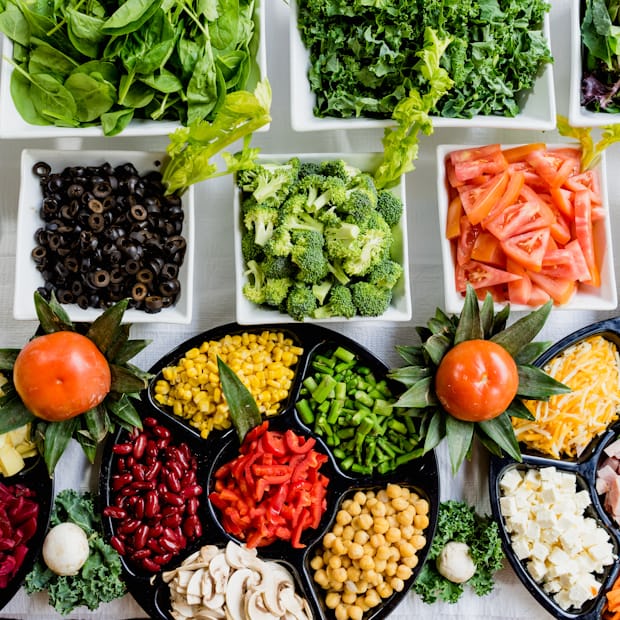
Plant-based meals are no longer only for strict vegan diets. More people who eat meat are adding plant-forward meals for better energy, digestion, budget control, and variety. The challenge is that many plant-based recipes feel too light or bland for those used to high-protein meat-centered plates.
The solution is not imitation meat in every dish. It is building plant-based meals with strong flavor, satisfying texture, and balanced macronutrients. When done right, non-vegans do not feel like they are missing anything.
What makes plant-based meals satisfying for non-vegans
Satisfaction comes from three elements: protein, texture contrast, and bold seasoning. If a meal is only vegetables with weak seasoning, hunger returns quickly. Better plant-based meals combine legumes, whole grains, healthy fats, and flavor depth through spices, acids, and herbs.
Think hearty and layered, not “diet food.” That mindset changes everything.
Recipe 1: smoky chickpea and quinoa power bowl
Ingredients: cooked quinoa, chickpeas, roasted peppers, cucumber, red onion, spinach, olive oil, lemon, smoked paprika.
How: roast seasoned chickpeas until crisp, assemble with quinoa and vegetables, finish with lemon-olive dressing.
Why non-vegans like it: high satiety from protein + fiber and strong smoky flavor profile.
Recipe 2: creamy lentil coconut curry
Ingredients: red lentils, onion, garlic, ginger, tomatoes, coconut milk, turmeric, cumin, chili, spinach.
How: saute aromatics, simmer lentils with spices and tomatoes, add coconut milk and greens near the end.
Why non-vegans like it: rich comfort texture similar to classic stew dishes but fully plant-based.
Recipe 3: black bean taco skillet
Ingredients: black beans, corn, onion, tomato, taco spices, avocado, whole-grain tortillas, lime.
How: cook bean mixture in one pan, serve in tortillas with avocado and fresh toppings.
Why non-vegans like it: familiar taco flavor and satisfying bite without meat dependency.
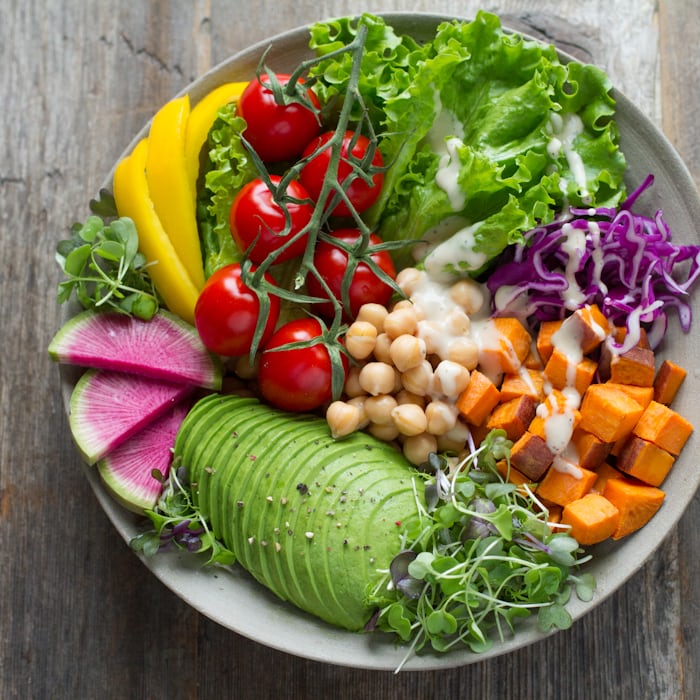
Recipe 4: crispy tofu stir-fry with peanut-lime sauce
Ingredients: firm tofu, broccoli, carrots, bell pepper, soy sauce, garlic, peanut butter, lime, chili flakes.
How: air-fry or pan-crisp tofu, stir-fry vegetables, toss with peanut-lime sauce.
Why non-vegans like it: crispy texture and savory sauce deliver strong flavor impact.
Recipe 5: Mediterranean white bean salad plate
Ingredients: white beans, cucumber, tomatoes, olives, red onion, parsley, olive oil, lemon, oregano.
How: mix all ingredients and let flavors marinate for 10 to 15 minutes.
Why non-vegans like it: high flavor density and easy prep with strong satiety from beans.
Recipe 6: hearty mushroom walnut pasta sauce
Ingredients: mushrooms, walnuts, garlic, tomato sauce, herbs, whole-grain pasta.
How: finely chop mushrooms/walnuts, saute until browned, simmer in tomato sauce, toss with pasta.
Why non-vegans like it: umami-rich texture mimics depth often expected from meat sauce.
Recipe 7: baked sweet potato with chili lentils
Ingredients: baked sweet potatoes, cooked lentils, tomato, onion, cumin, chili powder, yogurt alternative or tahini drizzle.
How: cook lentil chili mixture, split sweet potatoes, top generously.
Why non-vegans like it: warm comfort-food profile with balanced carbs and protein.
Recipe 8: high-protein hummus veggie wrap
Ingredients: whole-grain wrap, hummus, roasted chickpeas, lettuce, cucumber, shredded carrots, pickled onion.
How: layer and roll tightly for lunch or quick dinner.
Why non-vegans like it: portable, crunchy, and much more filling than a basic salad wrap.
How to make plant-based meals taste better immediately
- Use acids: lemon, vinegar, or pickled toppings brighten flavors.
- Layer umami: mushrooms, miso, soy sauce, tomato paste, nutritional yeast.
- Build texture contrast: crisp toppings + creamy elements + chewy grains.
- Season aggressively but balanced: salt, spice, and herbs matter more than people think.
- Finish with healthy fats: olive oil drizzle, tahini, avocado, or nuts.
Flavor intensity is often the difference between “okay” and “repeat weekly.”
Common mistakes when introducing plant-based meals
- Too little protein: causes quick hunger rebound.
- No texture variation: meals feel flat and repetitive.
- Under-seasoning: makes dishes feel restrictive.
- Trying full dietary overhaul at once: poor adherence.
- Replacing everything with processed alternatives: less nutrient quality.
A gradual shift with strong recipes works better than extreme change.
Easy weekly plant-based plan for non-vegans
- Monday: chickpea quinoa bowl.
- Tuesday: tofu stir-fry with peanut-lime sauce.
- Wednesday: lentil coconut curry.
- Thursday: black bean taco skillet.
- Friday: mushroom walnut pasta.
This keeps variety high while reducing dependence on meat-heavy meals.
Bottom line
Delicious plant-based meals for non-vegans are absolutely possible when recipes focus on satiety, texture, and bold flavor. You do not need to give up all animal foods to benefit. Even a few well-designed plant-based meals each week can improve diet quality and keep food exciting.
Start with one recipe that feels familiar, nail the flavor, then build your rotation from there.