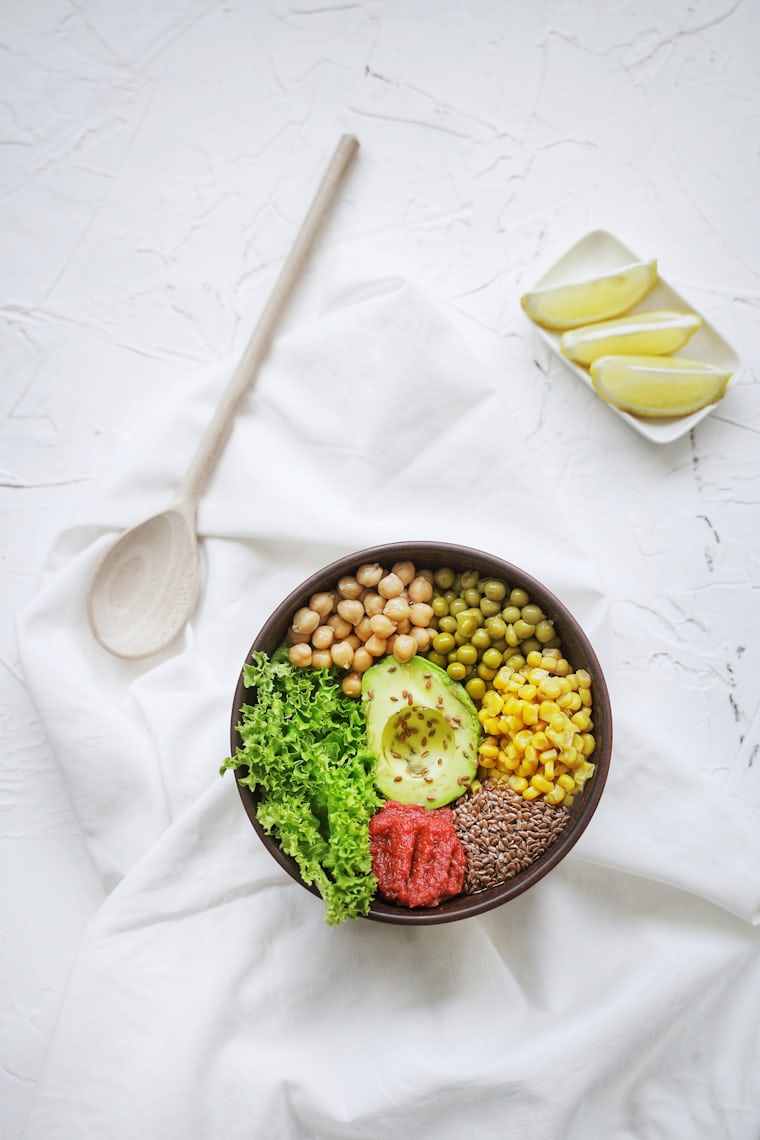
Gut health has moved from niche wellness topic to everyday nutrition priority, and for good reason. Your digestive system influences far more than digestion alone. It affects immunity, mood, energy levels, skin condition, and how well you absorb nutrients. When your gut is supported, many parts of health tend to improve together.
The good news is you do not need complicated protocols to start. A few consistent food choices can make a meaningful difference. The key is adding gut-friendly foods gradually and building meals that your body can tolerate and repeat.
What “gut-friendly” actually means
Gut-friendly foods generally fall into three groups: fiber-rich foods that feed beneficial microbes, fermented foods that provide helpful live cultures, and nutrient-dense whole foods that reduce digestive stress. No single food fixes the gut. The benefit comes from overall dietary pattern and consistency.
A gut-supportive plan should feel sustainable, not restrictive. If a strategy is too hard to maintain, it will not help long-term microbial diversity or digestive resilience.
1) Fermented foods with live cultures
Fermented foods are often first-line additions for gut support. Options include plain yogurt with live cultures, kefir, kimchi, sauerkraut, miso, and tempeh. These foods may support microbial diversity and digestive comfort for many people when introduced gradually.
Start small. Large sudden portions can cause temporary bloating in some people, especially if fermented foods are new to your routine.
2) Prebiotic-rich vegetables and plants
Prebiotics are fibers that feed beneficial gut bacteria. Useful sources include onions, garlic, leeks, asparagus, oats, bananas, apples, and legumes. These foods help create an environment where good microbes can thrive.
Instead of adding all high-fiber foods at once, rotate them through meals across the week. This lowers digestive overload and improves adherence.
3) Legumes for fiber and stability
Lentils, chickpeas, black beans, and kidney beans are among the most practical gut-friendly foods. They provide fermentable fiber, plant protein, and mineral support while helping meal satiety and blood sugar control. Properly cooked or rinsed canned legumes are easier to digest than many people expect.
If legumes cause discomfort, begin with smaller portions and pair with cooked vegetables rather than raw-heavy meals.
4) Whole grains over refined grains
Whole grains such as oats, barley, brown rice, and quinoa provide more fiber and micronutrients than refined alternatives. They support digestive regularity and can improve meal quality without complex changes. Oats are especially useful because they are easy to integrate into breakfast, snacks, and baking.
Choosing whole grains consistently is often one of the simplest high-impact gut upgrades.
5) Colorful fruits and vegetables
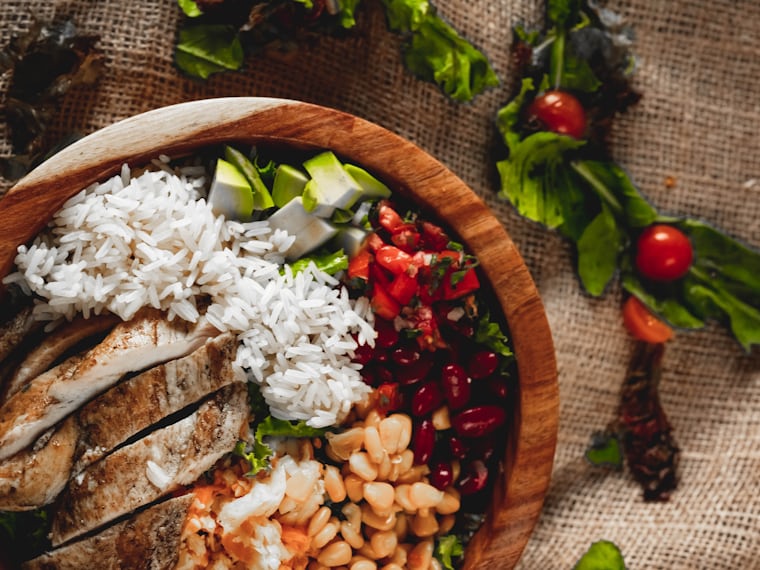
Gut bacteria benefit from diversity, and color variety is a practical way to build that. Different plant colors provide different polyphenols and fibers, which support broader microbial activity. Berries, leafy greens, carrots, citrus, and cruciferous vegetables are all strong options.
Aim to add color through routine meals, not only occasional “healthy days.” Repetition is what drives adaptation.
6) Healthy fats that support digestive comfort
Extra virgin olive oil, nuts, seeds, and avocado can support anti-inflammatory dietary patterns and improve overall meal satisfaction. They also help absorption of fat-soluble nutrients in vegetables, indirectly supporting gut and metabolic health.
Use moderate portions. The goal is supportive balance, not excessive calorie density.
7) Hydration and gut function
Food alone is not enough if hydration is poor. Water supports digestion, stool consistency, and fiber tolerance. People increasing fiber intake should also increase fluid intake gradually to reduce bloating or constipation risk.
Simple habit: drink water regularly through the day and include hydration-rich foods like soups, fruits, and vegetables.
Simple daily gut-friendly meal ideas
- Breakfast: oats with yogurt, berries, chia, and nuts.
- Lunch: grain bowl with protein, beans, greens, and olive oil dressing.
- Snack: kefir smoothie with banana and flax.
- Dinner: salmon or tofu with cooked vegetables and brown rice.
- Add-on: small fermented side like kimchi or sauerkraut.
This structure gives fiber, protein, and microbial support without complicated planning.
How to introduce gut-friendly foods without discomfort
Start low and build slowly. If you jump from low fiber to very high fiber overnight, bloating is common. Increase portions step by step over 2 to 3 weeks. Cook vegetables well at first if raw forms feel hard to digest. Track responses so you can personalize your approach.
Gut support is individual. What works best depends on tolerance, stress levels, and meal timing patterns.
Common mistakes to avoid
- Adding too much fiber too fast: creates avoidable digestive discomfort.
- Relying only on supplements: whole-food patterns matter more.
- Ignoring sleep and stress: both strongly affect digestion.
- Eating the same foods daily: low diversity can limit microbiome support.
- Stopping early: gut adaptation takes consistency over time.
Most gut improvements come from steady routine, not extreme interventions.
When to seek professional guidance
If digestive symptoms are severe, persistent, or worsening, professional support is important. Ongoing pain, blood in stool, unexplained weight changes, or significant food fear should be evaluated by a qualified clinician. Personalized guidance can prevent unnecessary restriction and improve outcomes faster.
Self-care is useful, but medical red flags should never be ignored.
Bottom line
Gut-friendly foods to add to your diet today include fermented foods, prebiotic-rich plants, legumes, whole grains, colorful produce, and healthy fats paired with good hydration. You do not need perfection or expensive products. You need gradual, consistent changes that your body tolerates and your routine can sustain. Over time, those habits can support digestion, energy, and broader health in a meaningful way.