Inflammation is a normal immune process, but when low-grade inflammation stays elevated over time, it can affect energy, recovery, mood, metabolic health, and long-term disease risk. Food is not the only factor, but daily eating patterns strongly influence whether inflammation is supported or aggravated.
The most effective approach is not a temporary detox. It is a repeatable pattern built on whole foods with strong nutrient density and better fat, fiber, and antioxidant quality.
What anti-inflammatory eating really looks like
Anti-inflammatory eating is not one strict menu. It is a dietary pattern rich in colorful plants, fiber, omega-3 fats, and minimally processed ingredients. It also reduces the heavy reliance on ultra-processed foods, excessive added sugars, and poor-quality fats.
Consistency matters more than perfection. Daily choices compound faster than occasional “clean eating” bursts.
1) Fatty fish as a weekly priority
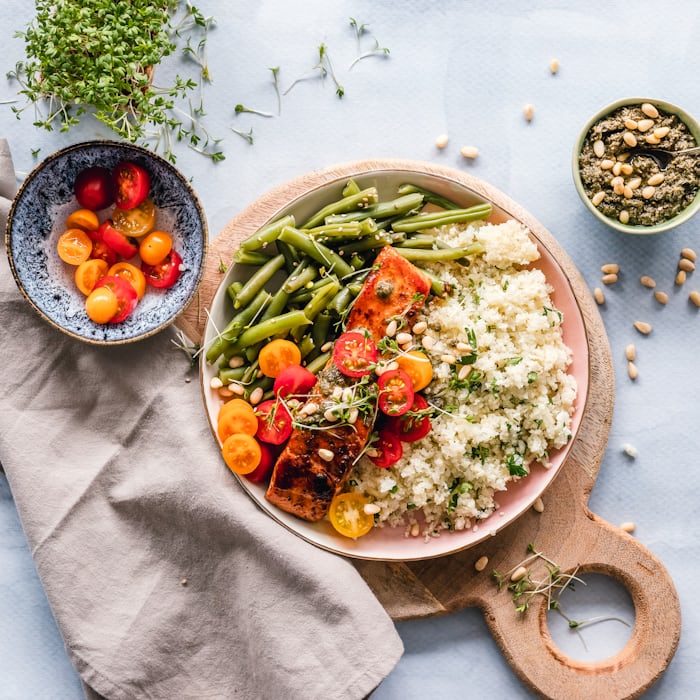
Salmon, sardines, mackerel, and trout are widely recommended for omega-3 fats (EPA and DHA). These fats support healthier inflammatory signaling and are linked to heart and brain support. Including fatty fish regularly is one of the most evidence-based anti-inflammatory habits.
When fresh fish is inconvenient, quality canned fish options are practical alternatives.
2) Extra virgin olive oil as your default fat
Extra virgin olive oil is central in Mediterranean-style eating patterns associated with better inflammatory balance. It provides monounsaturated fats and polyphenols that support long-term metabolic health when used consistently.
Use it in salads, warm bowls, and moderate-heat cooking for best everyday utility.
3) Berries and polyphenol-rich fruits
Blueberries, strawberries, blackberries, cherries, and pomegranate provide antioxidant compounds and fiber that support cellular protection and vascular health. They are easy to include in breakfast, snacks, and desserts without complex prep.
Frozen fruit works well and helps keep this habit affordable year-round.
4) Leafy greens and cruciferous vegetables
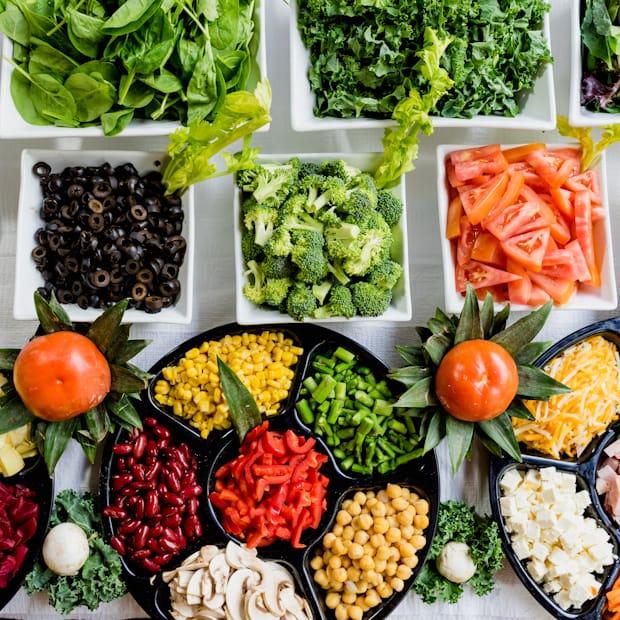
Spinach, kale, arugula, broccoli, cauliflower, and cabbage provide fiber, micronutrients, and protective plant compounds. Rotation matters because different vegetables contribute different phytochemicals.
Aim for color and variety across the week rather than repeating one “super” vegetable every day.
5) Legumes for fiber and blood sugar stability
Lentils, chickpeas, black beans, and white beans are among the most practical anti-inflammatory staples. They support satiety, gut health, and glucose regulation while delivering plant protein and minerals. They are also budget-friendly and meal-prep friendly.
For many people, legumes are the highest-return dietary upgrade available.
6) Nuts and seeds in controlled portions
Walnuts, almonds, chia, flax, pumpkin seeds, and hemp seeds provide healthy fats, minerals, and added texture that improve meal quality quickly. Small daily portions are enough to contribute meaningful nutritional value.
Ground flax or chia can be especially helpful in breakfast and smoothie routines.
7) Whole grains instead of refined grains
Oats, quinoa, barley, and brown rice usually offer better fiber and micronutrient value than refined carbohydrate staples. They help stabilize energy and improve meal satiety, reducing rebound cravings that often drive low-quality snack choices.
Pair whole grains with protein and vegetables for stronger metabolic support.
8) Fermented foods for gut-immune support
Fermented foods such as live-culture yogurt, kefir, kimchi, sauerkraut, and miso can support gut diversity, which is closely linked to inflammation balance. Introduce gradually and choose lower-sugar options for better daily use.
Gut-friendly patterns are strongest when combined with fiber-rich whole foods.
9) Herbs and spices with practical anti-inflammatory value
Turmeric, ginger, garlic, rosemary, cinnamon, and oregano add flavor and plant compounds that support meal quality. They are not magic cures, but regular use can meaningfully improve both taste and nutritional depth.
Seasoned food is easier to sustain than bland “health” meals.
10) Better beverage choices
Green tea, unsweetened herbal teas, and water support hydration and reduce dependence on sugary drinks that can increase inflammatory load. Beverage quality is an overlooked part of anti-inflammatory eating.
Small swaps here can make a big weekly difference.
How to build anti-inflammatory meals daily
- Half plate colorful vegetables: prioritize variety.
- Protein anchor: fish, legumes, eggs, tofu, yogurt, or lean options.
- Quality fats: olive oil, nuts, seeds, avocado.
- Smart carbs: whole grains and fiber-rich starches.
- Flavor layer: herbs, spices, citrus, vinegar.
This structure is practical, flexible, and easier to maintain long term.
Common mistakes to avoid
- Adding “healthy” foods while keeping ultra-processed habits unchanged.
- Expecting one ingredient to solve chronic issues.
- Ignoring protein and satiety balance.
- Using anti-inflammatory claims on sugary products as justification.
- Trying extreme restrictions that are hard to sustain.
Real progress comes from stable patterns, not short-term extremes.
Bottom line
The best anti-inflammatory foods for everyday eating are practical staples: fatty fish, olive oil, berries, leafy greens, legumes, nuts, seeds, whole grains, fermented foods, and herb-rich meals. You do not need a perfect plan. You need consistent, repeatable food quality upgrades.
When these foods become routine, anti-inflammatory eating shifts from trend to sustainable lifestyle support.