The word “superfood” is used so often that it can feel meaningless. Some foods go viral because of trends, not evidence. Others actually deserve attention because they offer high nutrient value, strong versatility, and measurable health benefits when eaten consistently. Nutritionists tend to focus on that second group.
The best superfoods are not magic fixes. They are practical, repeatable foods that support overall diet quality. This guide highlights the trending options nutrition professionals most often approve and why they matter.
What makes a superfood truly worth it?
A useful superfood usually has three traits: nutrient density, everyday usability, and evidence-backed health impact. If a food is expensive, hard to cook, and impossible to sustain, it is not a practical health tool no matter how trendy it looks online.
Nutritionists generally prefer foods you can integrate into normal meals, not exotic products you only use once.
1) Berries: small, powerful, and practical
Berries remain one of the most consistently recommended superfoods. Blueberries, raspberries, blackberries, and strawberries provide fiber, polyphenols, and antioxidant compounds linked to cardiovascular and cognitive support. They are easy to add to yogurt, oats, smoothies, or snacks.
Frozen berries are often just as useful as fresh and usually more budget-friendly for daily use.
2) Extra virgin olive oil
A Mediterranean staple, extra virgin olive oil is widely supported for heart health and anti-inflammatory dietary patterns. Its polyphenol content and healthy fat profile make it more than just a cooking fat. Nutritionists often recommend using it in dressings, bowls, and light sauteing.
Quality matters here. Choose fresh, well-stored oil with minimal processing when possible.
3) Fatty fish (salmon, sardines, mackerel)
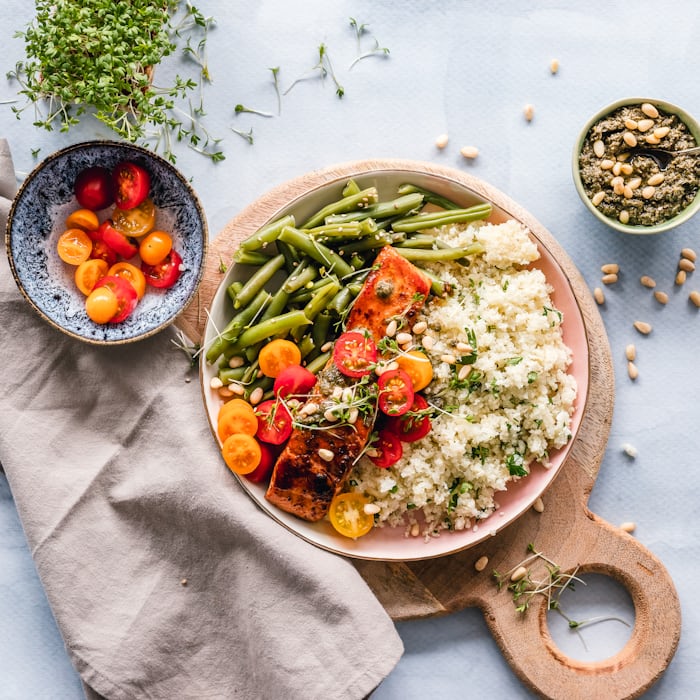
Fatty fish is trending strongly because omega-3 intake remains low in many diets. These fish provide EPA and DHA, which support cardiovascular, brain, and inflammatory health. Nutritionists often suggest including fatty fish one to three times weekly depending on overall diet pattern.
Canned sardines and salmon can make this superfood more accessible and convenient.
4) Fermented foods for gut support
Yogurt with live cultures, kefir, kimchi, sauerkraut, and miso are frequently recommended for gut diversity support. While effects vary by product and person, these foods can contribute beneficial microbes and fermentation compounds that fit broader gut-health strategies.
Nutritionists usually advise introducing fermented foods gradually and choosing products with lower added sugar and cleaner ingredient lists.
5) Legumes: the underrated superfood category
Lentils, chickpeas, black beans, and other legumes are often called one of the most evidence-backed superfood groups. They deliver fiber, plant protein, minerals, and metabolic benefits in an affordable format. They also improve meal satiety and support blood sugar stability when used in place of refined carbs.
Legumes are especially valuable because they are both nutrient-dense and financially sustainable.
6) Leafy greens and cruciferous vegetables
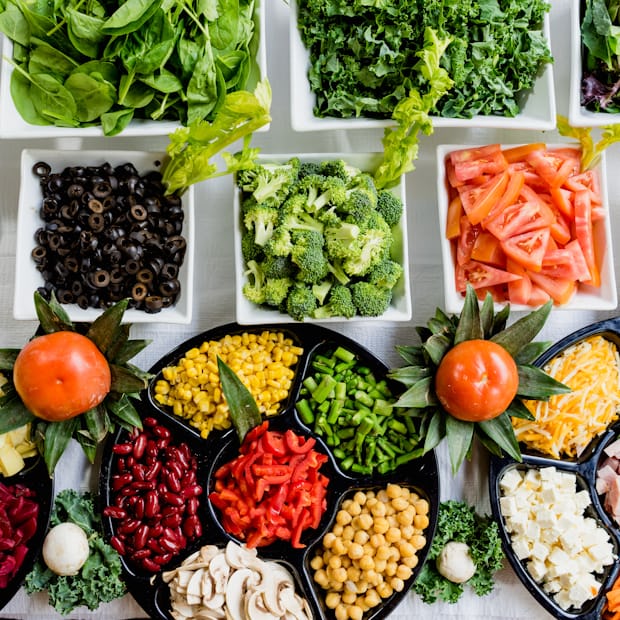
Spinach, kale, arugula, broccoli, and similar vegetables continue trending for good reason. They provide micronutrients, fiber, and protective phytochemicals that support long-term health patterns. Nutritionists often recommend variety here rather than relying on one “hero green.”
Rotating greens through soups, stir-fries, salads, and grain bowls keeps intake consistent without boredom.
7) Nuts and seeds
Walnuts, almonds, chia, flax, pumpkin seeds, and hemp seeds offer healthy fats, minerals, and added texture with strong meal compatibility. They can upgrade breakfast, snacks, and dinner bowls quickly. Portion awareness still matters because energy density is high, but these foods are frequently part of nutritionist-approved plans.
Ground flax and chia are particularly useful for fiber and omega-3 support in plant-forward diets.
8) Whole grains with strong nutrient value
Oats, quinoa, barley, and buckwheat are trending as better carbohydrate options because they offer fiber and micronutrients that refined grains often lack. Nutritionists usually approve them as part of balanced meals that include protein and healthy fats.
These grains are flexible and work across sweet and savory dishes.
9) Unsweetened cacao and dark chocolate
Cacao-rich options are often included in superfood discussions for flavanol content and satisfaction support in moderation. Nutritionists typically recommend lower-sugar dark chocolate or unsweetened cacao in controlled portions rather than high-sugar “health” desserts marketed as functional foods.
Used thoughtfully, this category can support both enjoyment and nutritional quality.
10) Avocado as a meal-quality enhancer
Avocado remains popular because it adds healthy fats, fiber, and texture that improve meal satisfaction. It pairs well with eggs, salads, bowls, and wraps, making it easy to use regularly without complex prep.
Nutritionists value foods that people can actually repeat, and avocado scores high on that metric.
How to use superfoods without overcomplicating meals
- Use layering: add one superfood per meal instead of all at once.
- Prioritize repeatability: choose items you can buy and prep easily.
- Build full meals: combine superfoods with protein, fiber, and healthy fats.
- Rotate weekly: variety improves nutrient spread and prevents fatigue.
- Ignore hype claims: focus on patterns, not miracle promises.
A superfood is most valuable when it fits your actual routine.
Common superfood mistakes
- Relying on powders while ignoring whole foods.
- Buying expensive niche products with low repeat use.
- Using superfoods to justify unbalanced meals.
- Expecting one food to solve all health concerns.
- Following trends without checking ingredient quality.
Nutritionists generally prefer simple whole-food consistency over supplement-heavy trend cycles.
Bottom line
Trending superfoods that nutritionists actually approve are the ones with strong evidence, real-world usability, and long-term consistency potential. Berries, olive oil, fatty fish, legumes, fermented foods, greens, nuts, seeds, and whole grains all fit that standard.
You do not need every superfood trend. You need a few reliable options used regularly in balanced meals. That is where real results come from.