Not every viral recipe deserves a place in your kitchen. Some are mostly visual trends with poor nutrition balance, while others are surprisingly practical and can improve your weekly routine. The challenge is knowing which ones are actually worth trying at home.
The best viral healthy recipes share a few traits: they taste good, use accessible ingredients, and deliver balanced nutrition without complicated prep. If a trend cannot survive a busy weekday, it is not truly useful no matter how popular it looks online.
How to judge a viral recipe before you cook
A quick filter saves time and money. Check whether the recipe includes a meaningful protein source, fiber-rich ingredients, and realistic cooking steps. If it relies heavily on expensive powders, niche products, or extreme restrictions, it is less likely to become a repeat meal.
Also check serving context. A viral snack may look healthy but still leave you hungry if it lacks protein and structure.
Trend 1 worth keeping: high-protein yogurt bowls
Protein yogurt bowls with fruit, seeds, and granola became popular for good reason. They are fast, customizable, and easy to balance. Use plain Greek yogurt or skyr, add berries for fiber, and include nuts or seeds for healthy fats. Keep sweeteners light and portion granola intentionally.
This trend works because it is practical for breakfast, snack, or post-workout recovery without heavy cooking.
Trend 2 worth keeping: balanced rice and protein bowls
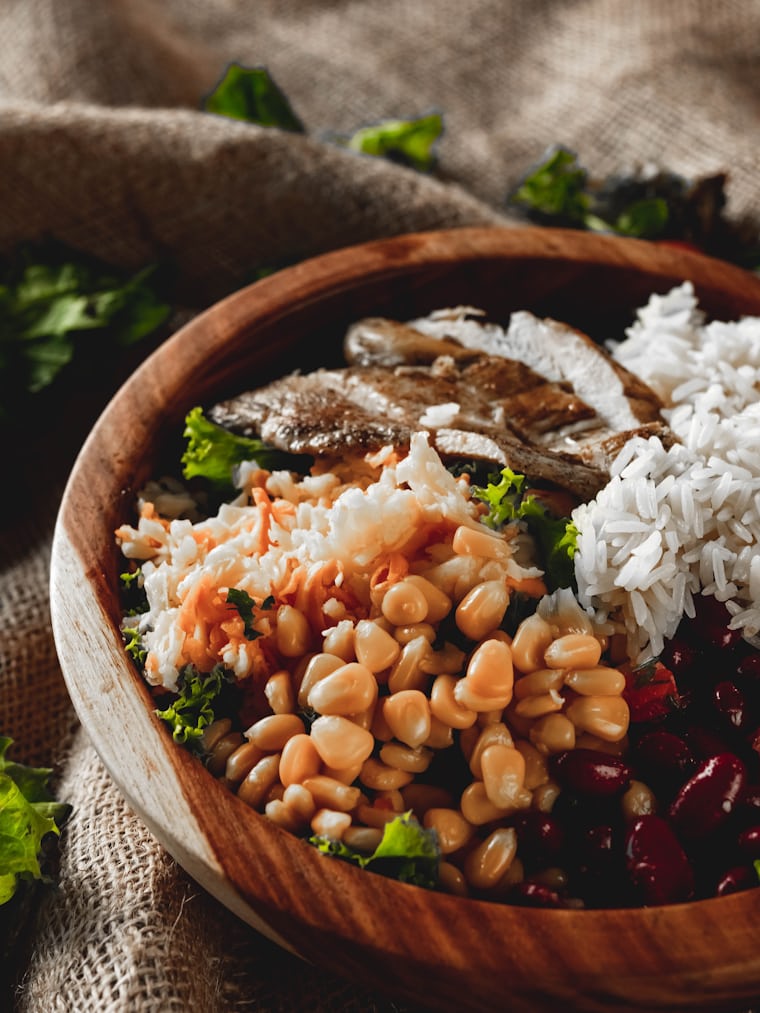
Chicken-rice-veggie bowls went viral across fitness and meal-prep communities because they simplify healthy eating. They provide protein, complex carbs, and vegetables in one format. Flavor variety is easy through sauces, herbs, and spice blends.
The best version is not dry “diet food.” Use seasoning, acid (like lemon), and texture contrast so the bowl stays enjoyable enough to repeat weekly.
Trend 3 worth keeping: blender smoothie bowls
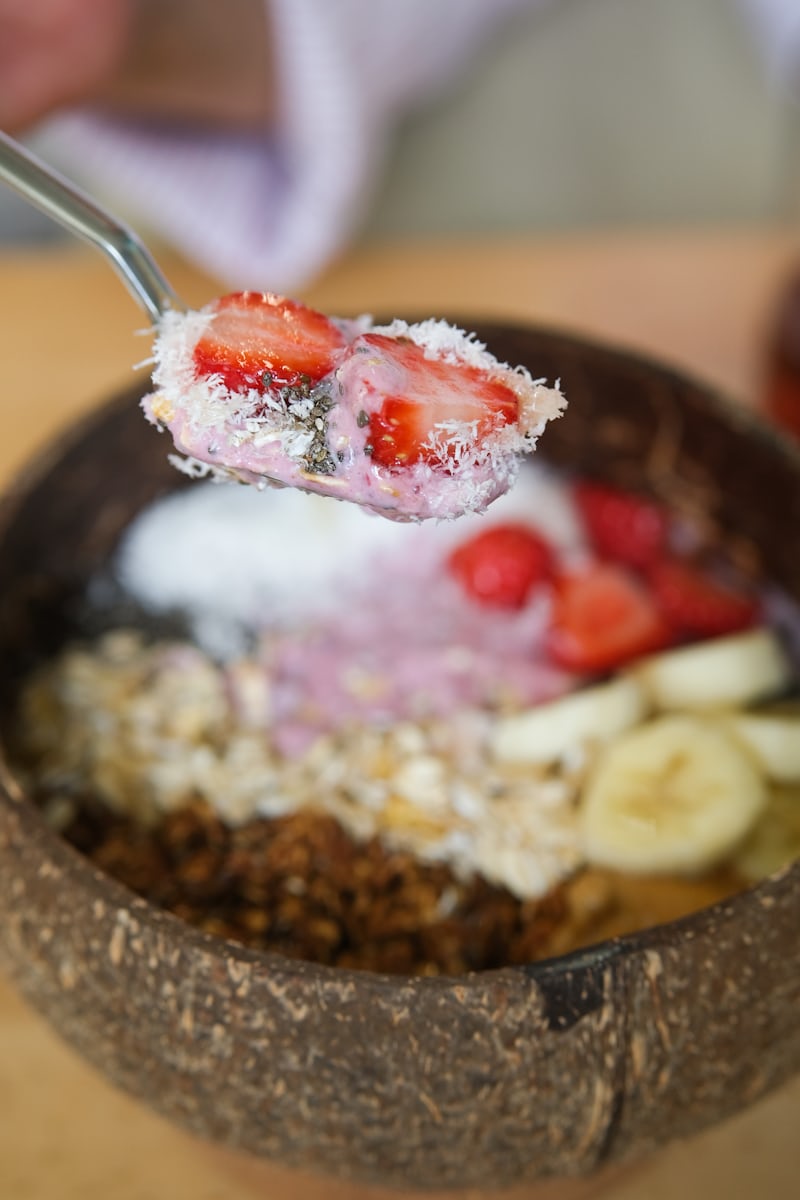
Smoothie bowls are useful when built with structure. Use fruit plus protein and fiber so they act like meals, not sugar-heavy desserts. A strong template includes frozen berries, yogurt or protein powder, chia or flax, and controlled toppings.
If you keep toppings measured, this trend can be nutrient-dense, satisfying, and visually motivating without being excessive.
Trend 4 worth keeping: air fryer meal upgrades
Air fryer recipes exploded online because they make crispy textures easier with less oil. This trend is genuinely helpful when focused on full meals, not only snack foods. Try air-fried salmon, seasoned chicken bites, tofu cubes, or roasted vegetables paired with grains and sauces.
Air fryer methods can increase home-cooking consistency, which is often the biggest factor in healthier eating.
Trend 5 worth keeping: overnight oats variations
Overnight oats remain viral because they solve busy mornings. They are budget-friendly, customizable, and meal-prep efficient. Build better versions with oats, milk or yogurt, chia seeds, berries, and a protein boost. Avoid overloading with sweeteners and dessert-like toppings.
Prepared well, overnight oats deliver stable morning energy and digestive support.
Viral recipes to approach carefully
Some trends look healthy but are misleading in practice. Ultra-low-calorie “volume hacks” can leave people unsatisfied and increase rebound snacking. Extreme ingredient substitutions may reduce taste so much that adherence collapses. Highly processed “fit desserts” can still be sugar-dense despite marketing language.
The goal is not to reject trends entirely. It is to adapt them for realism and balance.
How to make viral recipes actually work at home
- Use a repeatability test: would you cook this on a busy Tuesday?
- Balance every plate: include protein, fiber, and quality carbs.
- Simplify ingredients: swap rare items for local alternatives.
- Batch prep smartly: pre-chop and portion core components.
- Improve flavor first: herbs, spices, citrus, and texture matter most.
If a recipe passes these checks, it is more likely to become a long-term habit.
Sample viral-inspired day of eating
Breakfast: high-protein yogurt bowl with berries and seeds. Lunch: chicken rice veggie bowl with yogurt-herb sauce. Snack: mini smoothie bowl or fruit with cottage cheese. Dinner: air-fryer salmon with potatoes and greens. This structure uses trend concepts while staying practical and balanced.
It also reduces food decision fatigue because each meal type has a clear template.
Common mistakes when following food trends
- Chasing novelty over consistency: too many new recipes, no routine.
- Ignoring portions: even healthy ingredients can become unbalanced.
- Skipping protein: meals look pretty but fail satiety.
- Over-relying on social clips: short videos often hide prep complexity.
- No adaptation: copying exactly instead of tailoring to your schedule.
Most viral recipes improve dramatically with small practical adjustments.
Bottom line
Viral healthy recipes worth trying at home are the ones that combine taste, nutrition, and repeatability. Trend popularity alone is not enough. Choose recipes that support your real routine, then adapt them with better balance and stronger flavor. When a recipe is both healthy and sustainable, it stops being a trend and becomes part of your lifestyle.