When people ask what to eat before and after a workout, they are usually searching for two things: better performance and faster recovery. The challenge is that online advice can feel confusing. Some plans push strict timing windows, others say timing does not matter at all, and many ignore your actual schedule.
The practical truth sits in the middle. You do not need a complicated athlete-level protocol, but food timing and food quality do make a real difference. If your meals support energy before training and recovery afterward, your workouts generally feel stronger and your long-term progress becomes more consistent.
Why workout nutrition matters more than most people think
Exercise creates demand. Your body needs available fuel to train well and enough nutrients afterward to repair muscle tissue, restore glycogen, and regulate stress response. Without that support, sessions can feel flat, recovery can drag, and motivation often drops over time.
Good workout nutrition is not only about body composition. It also affects mood, sleep quality, and how you perform in the next session. Small improvements in meal structure can produce meaningful gains across a full training week.
Pre-workout nutrition goals
The pre-workout meal should focus on three priorities: usable energy, steady digestion, and hydration support. Most people do best with a carb-forward base, moderate protein, and lower fat and fiber right before training to reduce stomach discomfort.
- Carbohydrates: provide quick and accessible training fuel.
- Protein: helps support muscle maintenance during intense sessions.
- Lower fat and fiber close to training: helps avoid sluggish digestion.
- Fluids and sodium: support performance and reduce early fatigue.
The exact amount depends on body size, workout type, and timing, but the framework is reliable for most routines.
How long before a workout should you eat?
2 to 3 hours before training
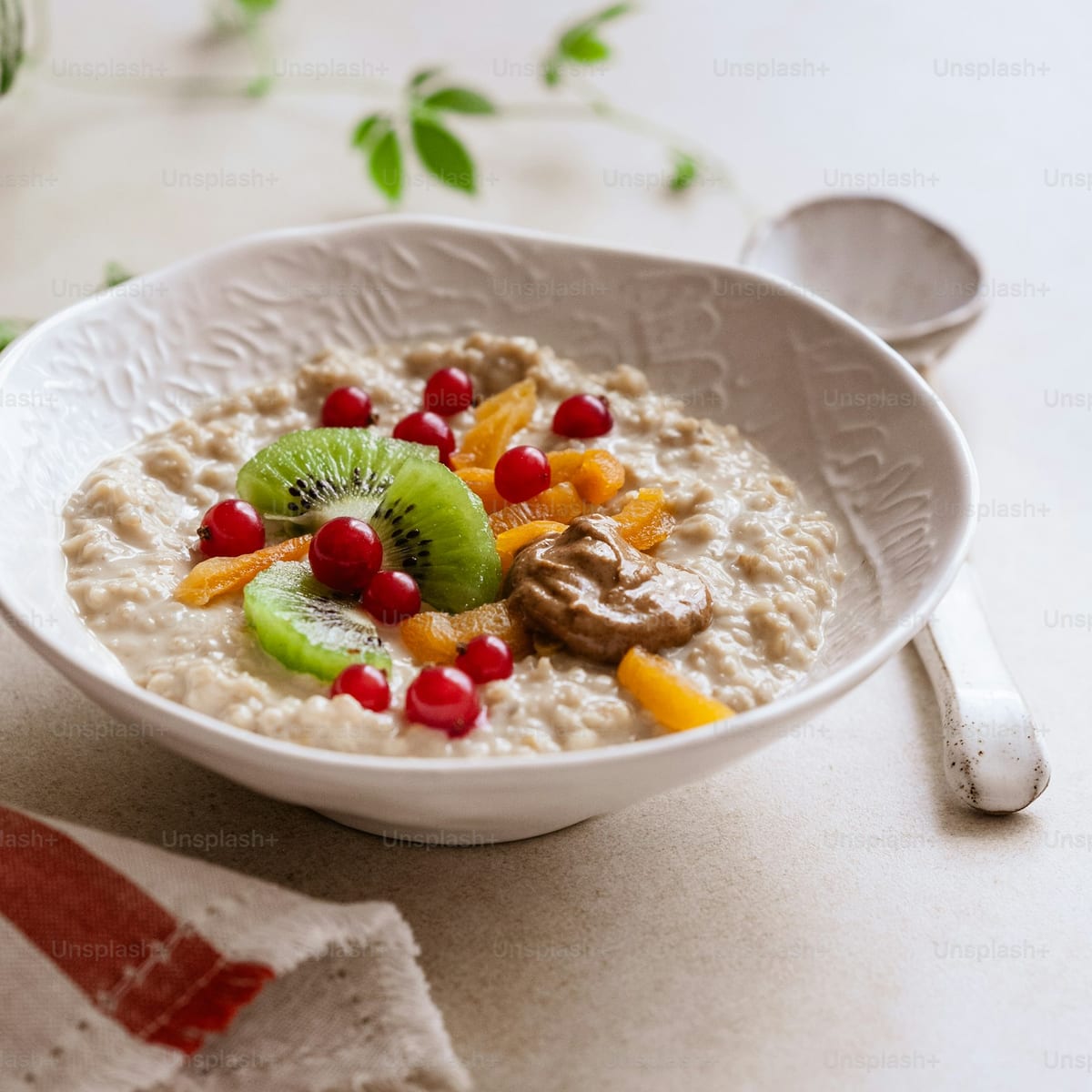
A full balanced meal is ideal. Include a quality carb source, lean protein, and lighter fats. Example: rice with chicken and vegetables, or oatmeal with yogurt and fruit plus a small nut topping.
60 to 90 minutes before training
Use a smaller meal or large snack that is easier to digest. Example: banana with Greek yogurt, toast with turkey, or a smoothie with fruit and protein.
30 to 45 minutes before training
Keep it very simple and low in fat/fiber. Example: a banana, applesauce pouch, small sports drink, or half a granola bar if tolerated.
If you train early in the morning and cannot handle a full meal, even a small carb snack can improve workout quality compared with going in fully fasted.
What to eat before different workout types
Strength training
A mix of carbs and protein works best. Try oats with whey and berries, or rice cakes with cottage cheese and fruit.
HIIT or interval sessions
Prioritize easy-digesting carbs and hydration. Choose toast with honey, banana, or a small smoothie. Avoid heavy fats right before high-intensity intervals.
Long cardio sessions
You usually need more carbs in the pre-workout window. A larger carb-based meal 2 to 3 hours prior often improves endurance and pacing.
Low-intensity mobility or walking
Regular meals are typically enough. You usually do not need a special pre-workout strategy unless the session is long or done fasted when energy is low.
Post-workout nutrition goals
After training, your focus should shift to recovery. The key targets are protein for muscle repair, carbohydrates for glycogen replenishment, and fluids and electrolytes for rehydration.
- Protein target: around 20 to 40 grams, depending on body size and training load.
- Carbohydrate target: higher after long or intense sessions, moderate after lighter training.
- Hydration: replace fluids steadily and include sodium if sweat losses were high.
You do not need to panic about a 30-minute anabolic window, but eating within about 1 to 2 hours after training is a practical and effective habit.
Best post-workout meal combinations
The simplest structure is protein plus carbs plus color. This means one primary protein source, one quality carbohydrate, and fruit or vegetables for micronutrients.
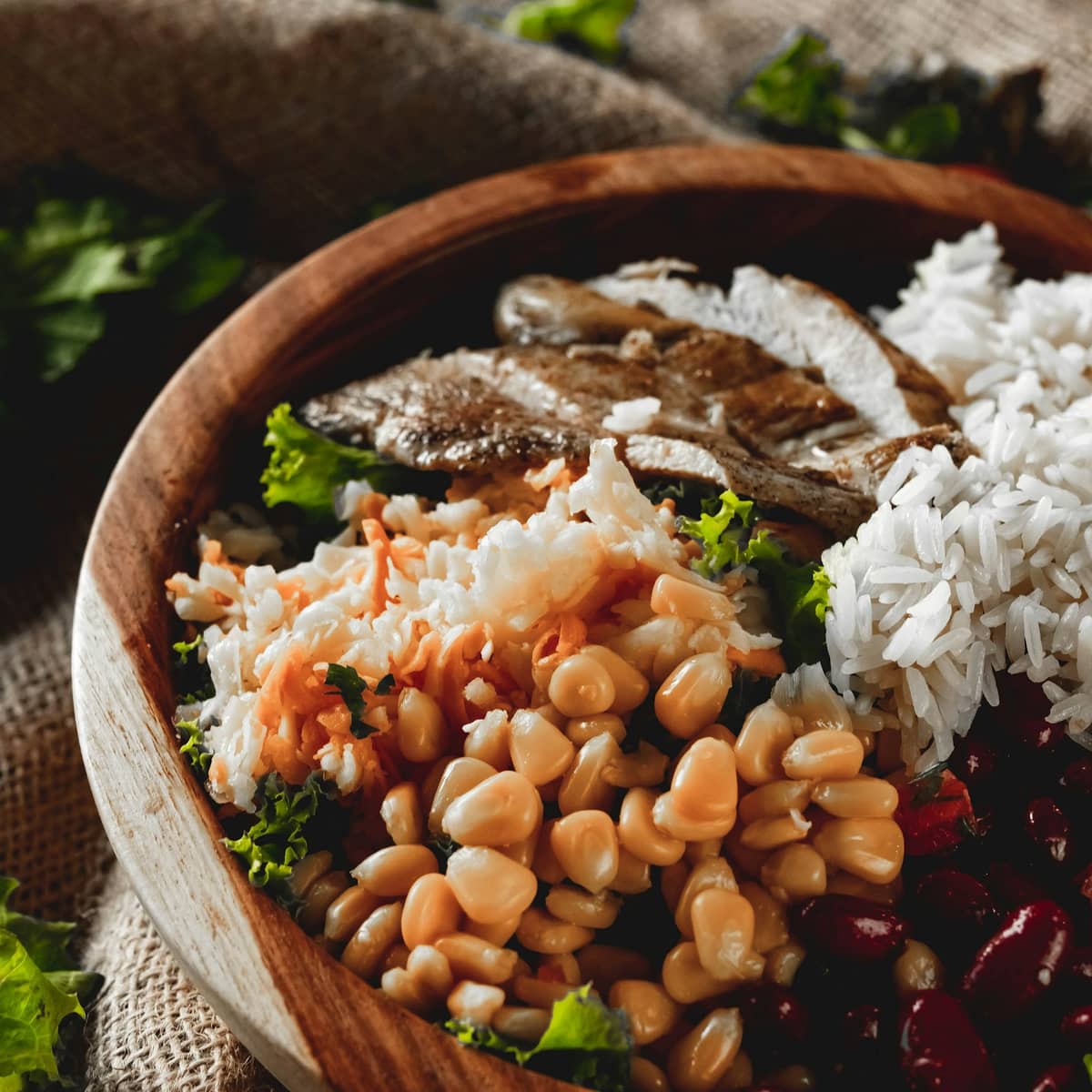
- Chicken, rice, beans, and vegetables.
- Greek yogurt bowl with fruit, oats, and seeds.
- Eggs with potatoes and spinach.
- Salmon, quinoa, and roasted vegetables.
- Protein smoothie with banana and oats when short on time.
Consistency matters more than perfection. A repeatable meal you can make quickly will outperform an ideal plan you rarely follow.
Should you eat if you train for fat loss?
Yes, in most cases. Some people believe skipping food around workouts burns more fat, but this often reduces training quality and increases later overeating. Better workouts usually create better long-term fat loss outcomes than under-fueled sessions.
For fat-loss phases, keep total calories controlled across the day while still protecting workout fuel and recovery protein intake. Smart structure beats extreme restriction.
What if you train twice in one day?
When sessions are close together, recovery nutrition becomes more important. Prioritize quicker carbs and complete protein soon after the first workout so you are not depleted in the second session. This is where meals like rice bowls, wraps with lean protein, and fruit plus yogurt are especially useful.
Hydration and sodium intake also matter more in double-session days because cumulative fatigue can build quickly.
Common mistakes to avoid
- Training under-fueled too often: can reduce output and progression.
- Overeating reward meals after exercise: may cancel your nutrition goals.
- Ignoring protein at breakfast: weakens recovery if you train in the morning.
- Too much fat or fiber right before training: increases stomach discomfort risk.
- Forgetting hydration: even mild dehydration can lower performance.
Most problems are routine issues, not knowledge issues. Fix the routine and results usually improve.
Simple daily template you can reuse
If workout is in the morning: small pre-workout carb snack, then full post-workout breakfast with protein and carbs.
If workout is midday: balanced breakfast, lighter pre-workout snack, full lunch afterward.
If workout is in the evening: balanced lunch, pre-workout snack, protein-and-carb-focused dinner.
This template keeps decisions easy while supporting performance and recovery across different schedules.
Bottom line
Knowing what to eat before and after a workout does not require complex rules. Before training, prioritize digestible energy and hydration. After training, focus on protein, carbohydrates, and fluid replacement. Keep meals practical, repeatable, and matched to your schedule.
When your fueling strategy supports your training instead of fighting it, workouts feel better, recovery improves, and progress becomes easier to sustain week after week.