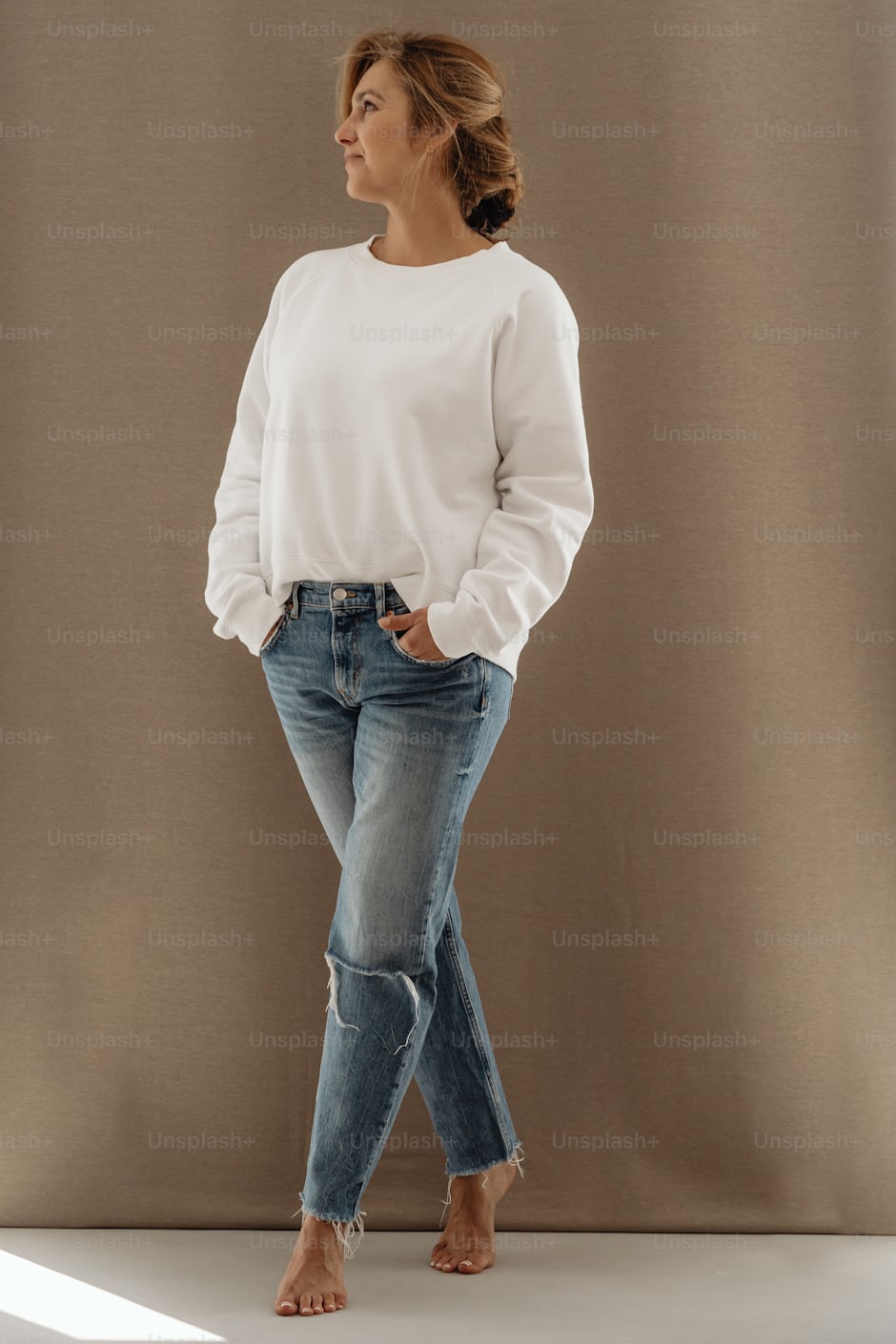
Minimalist fashion is often misunderstood as boring, but true minimalist style is about intention, not limitation. It is the art of wearing fewer pieces with better fit, stronger quality, and clearer outfit logic. When done well, minimalist dressing makes you look polished without appearing overdressed, and it reduces daily decision fatigue at the same time.
For everyday life, this approach is especially useful. Most people need outfits that move between work, errands, social plans, and travel without constant wardrobe changes. Minimalist fashion handles that reality better than trend-heavy styling because it prioritizes versatility over novelty.
Start with a neutral foundation
A practical minimalist wardrobe usually begins with neutrals: white, black, gray, navy, beige, olive, and denim tones. Neutrals are easier to mix, which means you can create more looks from fewer items. This does not mean never wearing color. It means using color intentionally as an accent rather than a dependency.
A strong neutral base also makes accessories, textures, and silhouettes stand out more clearly. Your outfit looks clean, but still interesting.
Fit matters more than brand
The fastest way to make simple clothing look expensive is better fit. A basic white shirt can look premium when shoulder seams sit correctly and sleeves end at the right point. Jeans look sharper when length and rise match your body shape. Minimalism reveals fit details quickly because there are fewer distractions.
If you want immediate improvement, tailor one or two core pieces you wear often. The return is usually higher than buying multiple new items.
Choose repeatable outfit formulas
Minimalist everyday style becomes easy when you use outfit formulas. A formula is a reliable structure you can repeat with small changes. For example: straight jeans + fitted tee + clean overshirt + sneakers. Or tailored trousers + soft knit + structured blazer + loafers.
Formulas remove morning stress and keep your look consistent without feeling repetitive. You are not wearing the same outfit every day, just the same successful framework with variation.
Build around capsule essentials
You do not need a huge closet to dress well. A compact capsule can cover most daily situations if pieces are selected carefully. Prioritize items you can wear across at least three contexts. Typical essentials include well-cut denim, plain tees, crisp shirts, one or two blazers, knitwear, neutral outerwear, and versatile shoes.
The key is not quantity. It is compatibility. Every piece should work with multiple others.
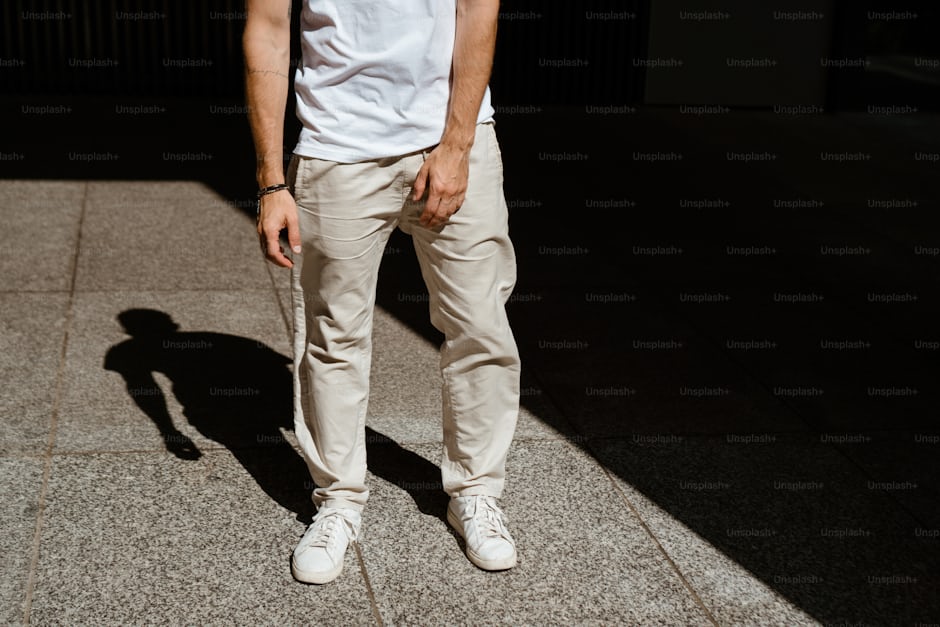
Texture creates depth without clutter
Minimal outfits can still feel rich when textures are layered thoughtfully. Combine cotton with denim, wool with leather, or matte knits with smooth outerwear. Texture contrast adds visual depth while keeping the color palette calm.
This is one reason minimalist looks can appear elevated even when the outfit components are simple. The eye reads detail through material, not loud color.
Use accessories selectively
In minimalist styling, accessories should support the outfit, not compete with it. A structured belt, clean watch, simple chain, or functional bag is often enough. Too many statement pieces can dilute the clean effect that minimalist fashion is built on.
Think in terms of one focal accessory per look. This keeps styling intentional and wearable.
Minimalist ideas for workdays
- Option 1: tailored trousers, white tee, oversized blazer, low-profile sneakers.
- Option 2: straight dark denim, button-up shirt, lightweight knit, loafers.
- Option 3: monochrome set in black or navy with one contrasting outer layer.
These combinations look professional but not rigid, making them useful for hybrid work and casual office environments.
Minimalist ideas for weekends
- Option 1: relaxed jeans, plain tee, denim or bomber jacket, white sneakers.
- Option 2: wide-leg pants, fitted tank, open shirt layer, sandals or trainers.
- Option 3: matching knit set with clean crossbody bag and simple jewelry.
Weekend minimalism should feel comfortable and effortless, with enough structure to still look intentional.
How to avoid looking flat
A common mistake is choosing only basic pieces without considering shape. Minimalism is not only color; it is proportion. If everything is the same fit and weight, outfits can look lifeless. Mix silhouettes: relaxed pants with fitted top, or oversized outerwear with cleaner base layers.
Another fix is adding one subtle focal point, such as interesting shoes, a strong coat, or a refined bag.
Shopping rules that protect minimalist style
- Buy slower: avoid impulse trend pieces that do not match your core palette.
- Test compatibility: each new item should pair with at least three existing pieces.
- Prioritize fabric: cheap texture often makes minimal outfits look less polished.
- Check comfort: if it is not wearable for real life, it is not truly minimalist.
These rules keep your wardrobe coherent and reduce wasted purchases.
Seasonal adaptation without wardrobe chaos
Minimalism works year-round when you rotate layers instead of replacing style identity each season. In warm months, focus on breathable cotton, linen blends, and lighter neutrals. In cooler months, add wool coats, knits, and structured boots while keeping the same core palette.
This continuity is what makes minimalist fashion practical. Your style stays recognizable while climate adjusts the materials.
Bottom line
Minimalist fashion ideas for everyday style are most successful when they combine clear wardrobe logic with personal comfort. Focus on fit, neutral compatibility, repeatable formulas, and quality textures. You do not need more clothes to look better. You need better coordination between the pieces you already wear. With a few intentional upgrades, minimalist style can make everyday dressing easier, sharper, and far more sustainable.