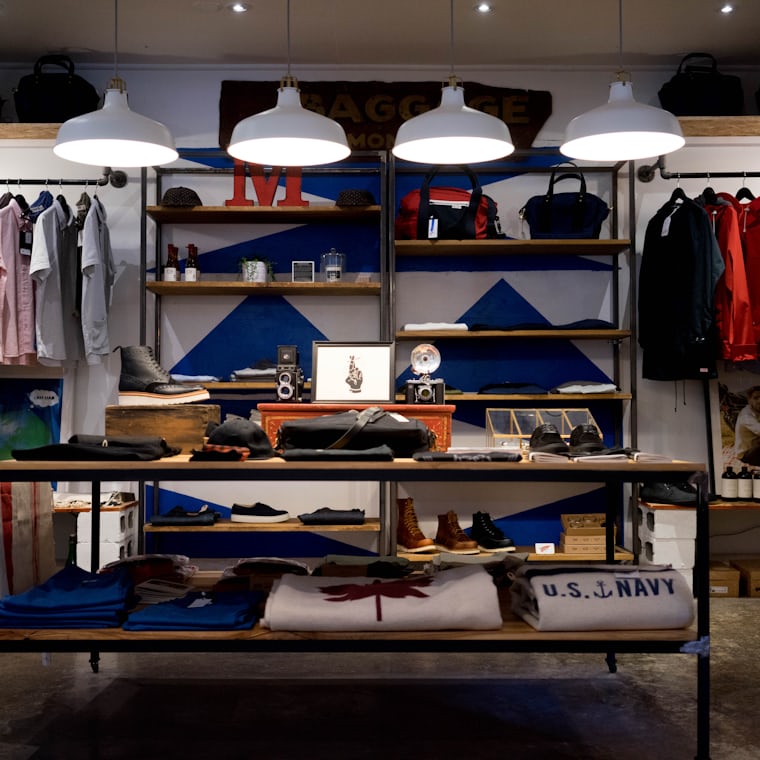
Fashion is shifting from “look good at all costs” to “look good and function well.” The rise of functional fashion and comfort wear reflects a broader change in lifestyle: people want clothing that supports real movement, long days, commuting, hybrid work, travel, and shifting social settings without constant outfit changes.
This is not just athleisure rebranded. It is a design evolution where utility, comfort, and style are being developed together from the start.
What functional fashion means in 2026
Functional fashion combines practical features with modern styling. Think breathable fabrics, stretch structure, weather-adaptive layers, utility pockets, easy-care materials, and ergonomic cuts that still look polished. The goal is to reduce friction in daily dressing while keeping visual identity strong.
Comfort wear in this context includes elevated knits, relaxed tailoring, technical outerwear, and hybrid pieces that move between casual and professional settings.
Why the shift is accelerating
Work and life boundaries are less rigid than before. People now move through multiple environments in one day: home office, transit, meetings, errands, social plans. Clothing that only suits one context feels limiting. Functional comfort wear solves that by increasing outfit adaptability.
Economic pressure also plays a role. Consumers want higher utility per purchase, which makes versatile garments more appealing than single-purpose trend items.
Design features driving the trend
- Performance-inspired fabrics: lightweight, wrinkle-resistant, and breathable.
- Stretch-tailored silhouettes: polished shape with easier movement.
- Utility detailing: practical pockets, adjustable hems, modular layering.
- Climate adaptability: pieces that work across indoor/outdoor shifts.
- Low-maintenance care: easier wash and wear cycles.
These features are moving from niche categories into mainstream fashion collections.
Comfort is now a style signal, not a compromise
For years, “comfortable” was treated as opposite to “fashionable.” That mindset has changed. In current styling culture, comfort-forward silhouettes are often seen as modern, confident, and intentional. Relaxed tailoring, soft structure, and smart layering now define many premium looks.
Consumers are no longer hiding comfort. They are styling it as part of aesthetic identity.

How luxury and streetwear helped normalize it
Streetwear introduced practicality and movement freedom into mainstream style years ago. Luxury houses later adopted relaxed cuts, technical textiles, and utility-inspired details, giving functional dressing premium visibility. Now mid-market and independent labels are scaling those ideas into everyday wardrobes.
This cross-market adoption is why the trend feels global rather than niche.
Key categories leading the movement
1) Relaxed tailoring
Blazers and trousers with softer construction, flexible fabrics, and mobility-first cuts.
2) Technical outerwear
Lightweight jackets designed for layering, weather shifts, and urban commuting.
3) Elevated knit sets
Matching knit pieces that feel comfortable but still look put-together in social and work settings.
4) Utility-influenced bottoms
Refined cargo and pocket-detailed trousers with cleaner lines and versatile tones.
5) Hybrid footwear
Shoes blending sneaker comfort with minimalist or tailored styling aesthetics.
How social media amplifies functional fashion
Content formats like “day-to-night outfit,” “travel capsule,” and “one piece, three settings” favor functional clothing because it performs visibly across contexts. Creators who style comfort wear creatively show that practical outfits can still look editorial and trend-aware.
This has helped functional fashion become aspirational rather than purely practical.
Common mistakes when trying the trend
- Choosing only comfort, no structure: looks can appear unfinished.
- Overloading utility details: too many functional accents compete visually.
- Ignoring proportion: relaxed pieces need silhouette balance.
- Buying technical fabrics without lifestyle need: low real-use value.
- Confusing soft with sloppy: fit and finishing still matter.
Functional style works best when practicality and polish are equally considered.
How to build a functional-comfort wardrobe
- Start with a neutral base: choose adaptable colors for high mixability.
- Add two to three hybrid hero pieces: items that cross multiple settings.
- Balance relaxed and structured elements: avoid one-note silhouettes.
- Prioritize repeat wear: measure value by weekly use, not trend hype.
- Refine with accessories: clean bags and footwear elevate comfort looks.
This approach creates a wardrobe that is both efficient and style-forward.
What this trend says about modern fashion values
The rise of functional fashion signals a broader redefinition of style success. People now value clothing that supports real-life performance, emotional ease, and visual confidence simultaneously. Fashion is becoming less about occasional display and more about daily optimization with personality.
In that model, comfort is not the end goal. Intelligent, wearable style is.
Bottom line
Functional fashion and comfort wear are rising because they match how people actually live now. They deliver mobility, adaptability, and style relevance in one system. As consumers prioritize versatility and long-term wear value, this trend is likely to remain a major force in global fashion.
The smartest wardrobes moving forward will not choose between comfort and style. They will be designed to deliver both.